CrossFit blends functional movement, high-intensity intervals, and a tight-knit community to deliver fast fitness gains and sustained motivation. That intensity is a huge draw, but balancing it with smart programming, recovery, and technique is what keeps athletes healthy and progressing over the long run.
Balance intensity with longevity
The most common pitfall is mistaking daily max effort for optimal training. High-intensity WODs produce big adaptations, but chronic exposure without controlled volume and variation increases injury risk. Build a program that cycles intensity—hard efforts interspersed with lower-intensity or skill-focused days—so the nervous system and connective tissues can recover while technique improves.
Smart programming principles
– Prioritize movement quality before load.
Mastering the hinge, squat, press, and pull patterns reduces compensations under fatigue.
– Use periodization: alternate hypertrophy/strength phases with metabolic conditioning blocks to diversify stimulus.
– Track acute-to-chronic workload ratio.
Gradual increases in volume or intensity protect against overload.
– Include deload weeks and planned technique-heavy sessions to consolidate gains.
Scale without compromise
Scaling is a cornerstone of CrossFit’s inclusivity. Effective scaling maintains intensity relative to capacity while preserving movement intent.
– Reduce load but keep rep schemes proportional to capacity.
– Substitute complex gymnastic moves with progressions that demand similar strength and coordination (e.g., banded pull-ups, ring rows, or box step-ups).
– Break long sets into manageable intervals; rest strategically to preserve movement quality.
Mobility and recovery: non-negotiable
Mobility work and recovery strategies are what transform short-term fitness into sustained capability.
– Short daily mobility routines (10–15 minutes) focusing on shoulders, hips, thoracic spine, and ankles improve movement freedom and performance.
– Use soft tissue work, targeted stretching, and positional holds to address specific movement restrictions.
– Sleep, hydration, and nutrition are foundational—insufficient sleep or calories undermines recovery and performance.
Technique and coaching matter
A qualified coach who prioritizes form over numbers is the best investment. Small technical adjustments—tighter bracing on a clean, improved hip drive in a deadlift, or better knee tracking in a squat—lead to immediate performance gains and fewer injuries. Video feedback and simple cues help athletes internalize changes faster.
Common injuries and prevention
Shoulder strain, lower-back pain, and knee irritation are most common. Prevent them with:
– Rotator cuff and scapular stability drills
– Posterior chain strengthening (deadlifts, Romanian deadlifts, glute work)
– Progressive loading and adequate warm-up, including movement-specific ramps before heavy lifts
Nutrition and monitoring
Nutrition should support training density and recovery: prioritize protein for repair, carbohydrates around high-intensity sessions for performance, and healthy fats for hormonal balance. Wearables and heart-rate variability tracking can guide daily readiness, helping athletes choose between a tough session or active recovery.
Community and consistency
The social element of CrossFit drives adherence. Group classes, partner workouts, and shared goals create accountability that keeps athletes coming back.
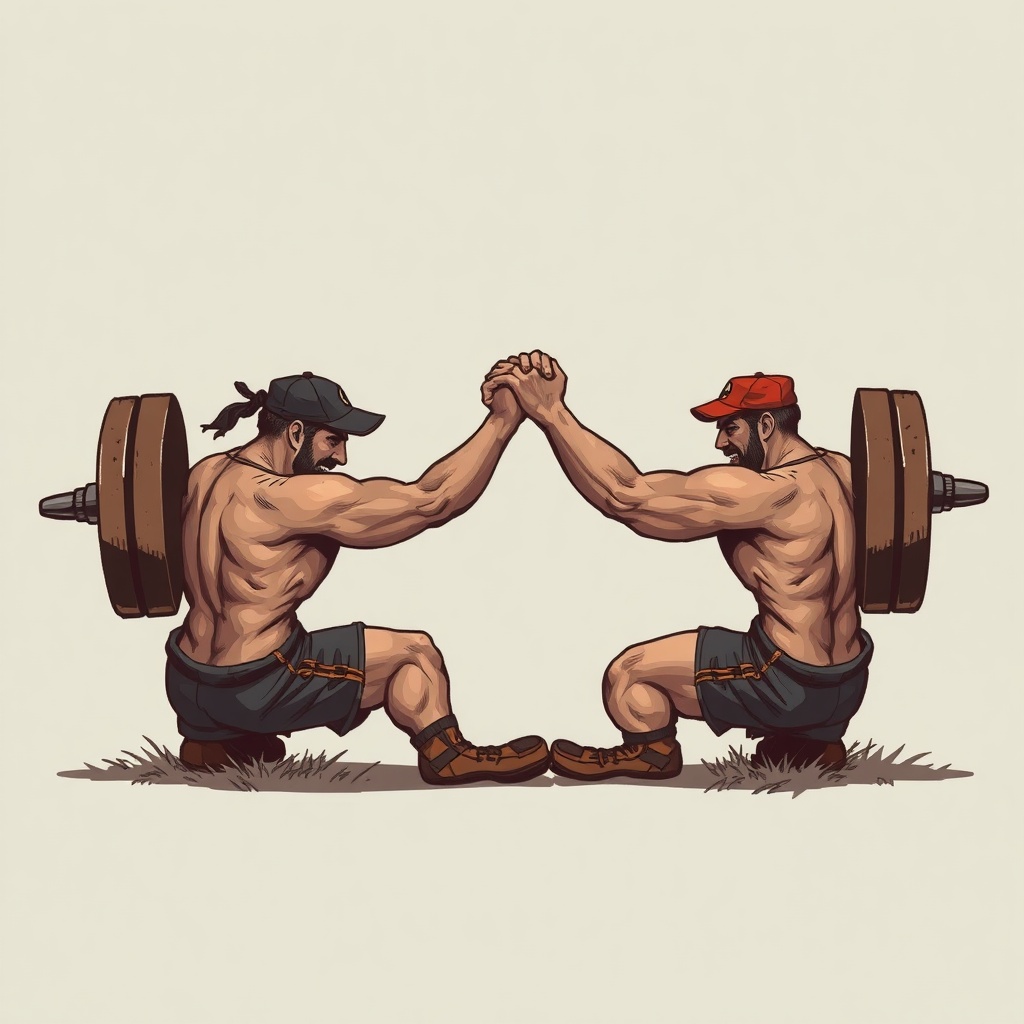
Pair that with realistic expectations—progress is nonlinear—and consistency becomes the engine of long-term improvement.
Practical starter routine
– Warm-up: 8 minutes (row/assault bike + dynamic mobility)
– Strength: 3–5 sets of 3–6 reps, moderate tempo, focus on form
– Metcon: 12–20 minute AMRAP or EMOM at sustainable intensity
– Cool-down: 5–10 minutes of mobility and breathing work
CrossFit is about much more than maximal effort. When intensity is tempered with smart programming, mobility, and recovery, it becomes a sustainable pathway to improved fitness, resilience, and community-fueled progress. Start with sound fundamentals, make small consistent changes, and prioritize movement quality—results will follow.