Pilates for Modern Life: Improve Core Strength, Posture, and Stress Resilience
Pilates has moved from niche studios into mainstream fitness because it delivers measurable improvements in strength, posture, mobility, and stress management without high-impact strain.
The method’s focus on controlled movement, breath, and alignment makes it an excellent complement to running, weight training, and desk-based work.
Core strength that supports everyday movement
Pilates targets the deep stabilizing muscles of the torso—often called the powerhouse—helping transfer force efficiently through the pelvis and spine. That translates to reduced low-back pain, improved balance, and more efficient movement during daily tasks. Exercises such as pelvic curls, single-leg stretches, and controlled planks strengthen the core while promoting spinal articulation and awareness.
Posture and mobility for long hours at a desk
Long periods seated can create tight hips, rounded shoulders, and weak scapular stabilizers.
Pilates emphasizes postural alignment and scapular control through movements like chest lifts, serratus punches, and thoracic rotation work. Regular practice restores mobility in the thoracic spine and hips, reducing compensatory stress on the lower back and neck.
Low-impact conditioning with high payoff
Pilates is low-impact but highly effective. It improves muscular endurance, coordination, and flexibility without the joint stress common in high-impact activities. Reformer Pilates adds adjustable resistance and variety for progressive loading, while mat Pilates uses body weight and small props to build control. Both formats offer scalable intensity to suit beginners through advanced practitioners.
Breath and nervous system benefits
Breathing is integral to Pilates technique. Lateral thoracic breathing—expanding the ribcage sideways and back—supports core engagement while calming the nervous system. This integrated breathing pattern can reduce perceived stress and improve concentration, making Pilates a practical tool for mental resilience as well as physical conditioning.
Simple guidelines to get started
– Frequency: Aim for two to three sessions per week for steady progress.
– Instruction: Start with a certified instructor who can teach fundamentals and safe progressions.
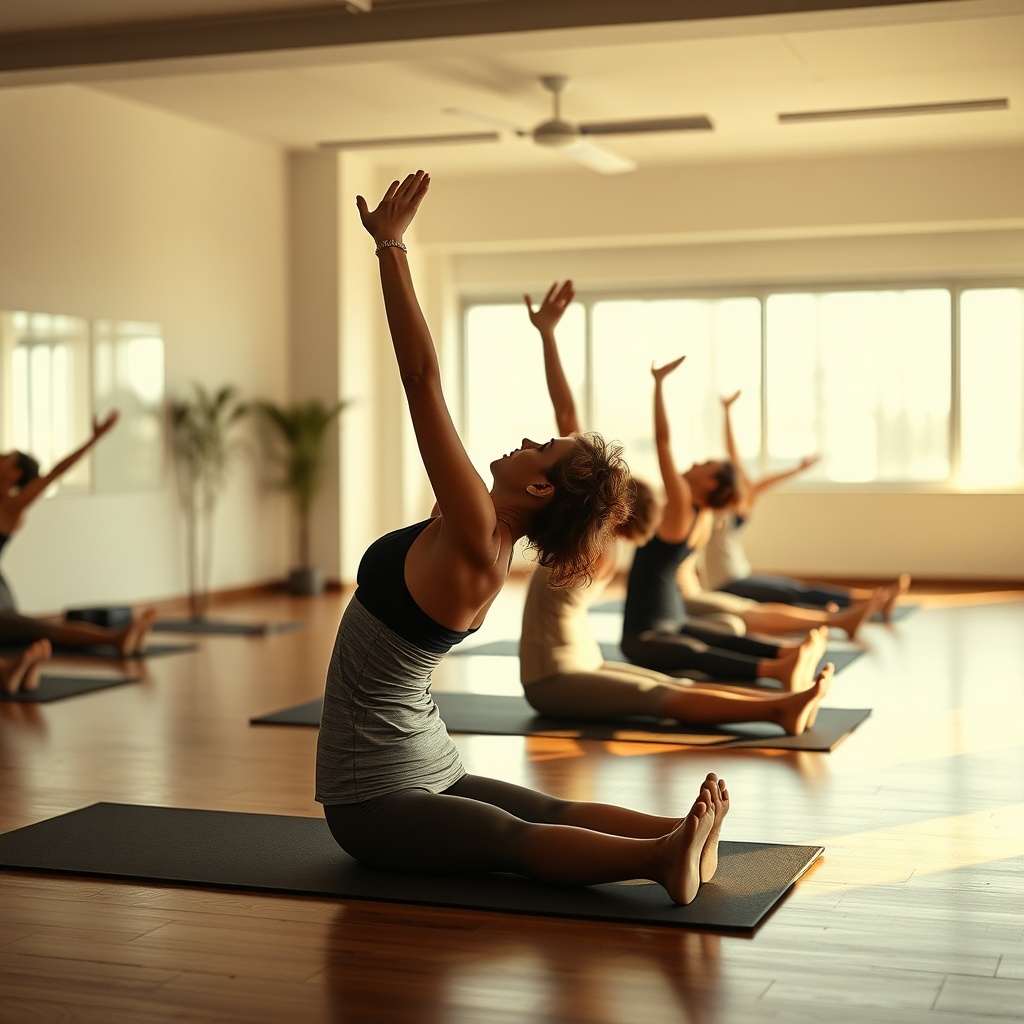
– Format choice: Try a mat class to learn basics; a reformer session offers extra resistance and support for technique refinement.
– Listen to your body: Modify or skip movements that cause sharp pain; mild muscle fatigue is normal, but joint pain is not.
– Consistency: Small, regular practice beats sporadic intensity for lasting change.
Sample mini routine (safe for beginners)
– Pelvic curl, 8–10 reps (promotes spinal articulation)
– Bird dog, 8 reps each side (stability and coordination)
– Single-leg stretch, 6–8 reps each side (core endurance)
– Spine twist prep, 6–8 reps (thoracic mobility)
– Side-lying leg series, 8–10 reps per movement (hip and glute strength)
Who should be cautious
Pilates is adaptable for many conditions, but people with recent surgeries, unstable osteoporosis, or certain cardiovascular issues should consult a healthcare provider before beginning and work with an instructor experienced in therapeutic modifications.
Pregnancy-friendly classes are widely available and can be highly beneficial when taught by someone familiar with prenatal adaptations.
Whether your goal is rehabilitation, athletic enhancement, or simply moving more comfortably through life, Pilates offers a practical, sustainable path.
Start with guided instruction, prioritize consistent practice, and focus on breath and alignment to unlock the method’s full benefits.