Pilates for Deskbound People: A Practical Guide to Better Posture, Less Pain, and More Energy
Long hours at a desk put strain on posture, breathe patterns, and core stability. Pilates offers targeted, low-impact solutions that restore balance, ease discomfort, and build functional strength.
This guide covers why Pilates works, how to start, and simple routines you can do between meetings.
Why Pilates helps deskbound bodies
– Focus on deep core muscles (transverse abdominis, pelvic floor) that support the spine.
– Emphasis on breath, alignment, and mindful movement to counteract slouching and shallow chest breathing.
– Strengthens posterior chain (glutes, hamstrings, back) often weakened by prolonged sitting.
– Improves mobility in the thoracic spine and hips, two common areas of stiffness for desk workers.
Quick principles to apply
– Neutral spine: Find a comfortable curve in the low back rather than flattening or over-arching. This is the starting point for most exercises.
– Rib-to-pelvis connection: Maintain a subtle link between your ribs and pelvis so movements come from the core, not the neck or shoulders.
– Breath coordination: Inhale to prepare, exhale to engage the core and move. Diaphragmatic breathing reduces neck tension and promotes oxygenation.
– Quality over quantity: Controlled repetitions with mindful alignment beat fast, sloppy sets every time.
A short mat routine (5–10 minutes)
These exercises require no equipment and are ideal for a quick desk break.
1. Pelvic tilts — 8–10 reps
Lie on your back with knees bent. Inhale to prepare; exhale to gently tuck the pelvis, flattening the low back against the mat. Inhale to release. Focus on pelvic control, not force.
2. Knee folds (single leg) — 6–8 reps each side
From the same position, draw one knee toward the chest while keeping the pelvis stable. Keep the opposite leg bent or extended a few inches off the floor for more challenge.
3.
Spine twist (seated) — 6–8 reps each side
Sit tall with legs extended or crossed. Rotate from the thoracic spine while keeping hips square.
Use the breath: inhale center, exhale twist.
4. Shoulder bridge (mini) — 6–8 reps
Lie on your back, lift the hips a few inches by engaging glutes and hamstrings, then lower slowly. Keeps posterior chain active and combats hip flexor dominance.
5. Scapular squeezes — 10–15 reps
Sit or stand, draw shoulder blades together and down, hold briefly, then release. Great for countering forward shoulders.
Modifications and progressions
– New to Pilates: Keep movements small, focus on breath, and prioritize alignment over range.
– Intermediate: Add single-leg variations, longer holds, or resistance bands to challenge stability.
– Reformer or props: A reformer adds spring resistance for more intense, controlled work. Small props—foam roller, magic circle, miniband—offer variety without complexity.
Common mistakes to avoid
– Holding breath: Keep it flowing; exhale during effort.
– Using neck/shoulder tension to compensate: Relax the jaw and neck; cue movement from the ribs and pelvis.
– Overarching the lower back: Maintain neutral spine; smaller, controlled movement is safer and more effective.
How often to practice
Short daily sessions are better than occasional long workouts. Even two to three focused 10–15 minute sessions throughout the day yield noticeable improvements in posture and energy.
Safety and seeking guidance
If you have a history of back, neck, or pelvic issues, consult a healthcare professional before starting. Working with a certified Pilates instructor for a few sessions can help establish safe habits and personalized modifications.
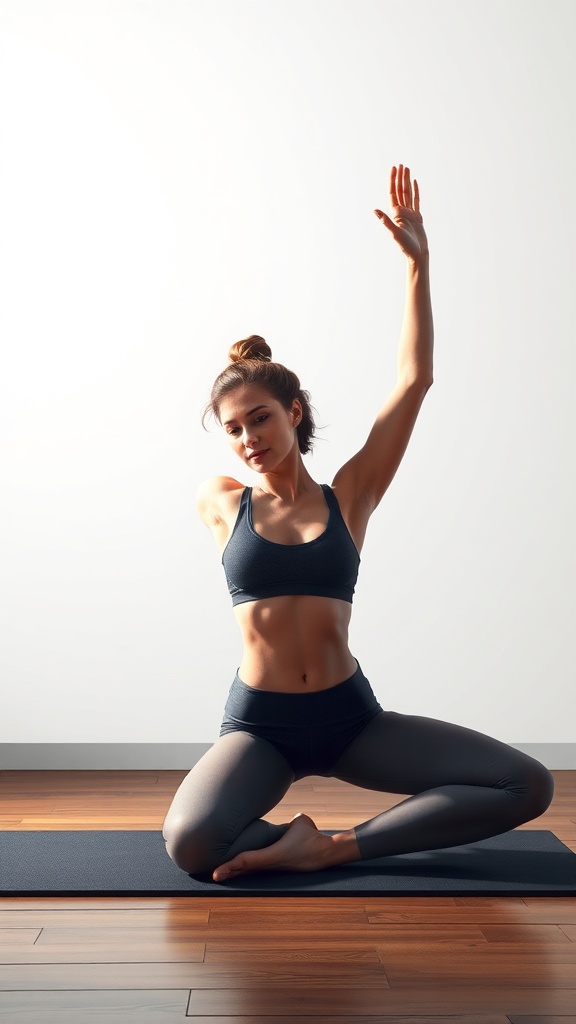
Small, consistent changes—integrating Pilates principles into everyday posture and brief movement breaks—deliver meaningful improvements in comfort, productivity, and long-term spinal health. Try a few of the quick exercises above today and notice how much easier sitting and moving becomes.