Pilates: Why it works, how to start, and what to expect
Pilates has become a go-to method for developing core strength, improving posture, and restoring balanced movement. Whether choosing mat work or reformer sessions, the practice emphasizes controlled, precise movement paired with focused breathing—making it effective for general fitness, rehabilitation, and athletic cross-training.
What makes Pilates effective
– Core integration: Pilates trains the deep stabilizers of the trunk—often called the “powerhouse”—which supports efficient movement and spinal health.
– Mobility plus stability: Exercises are designed to increase joint range of motion while teaching the nervous system to stabilize joints through movement.
– Postural alignment: Repetitive, mindful patterns help correct imbalances created by prolonged sitting, repetitive sports, or poor lifting mechanics.
– Low-impact, scalable intensity: Movements can be adapted with springs, bands, or bodyweight to suit beginners through advanced practitioners.
Mat vs reformer: choosing the right format
– Mat Pilates: Accessible and low-cost. Focuses on bodyweight exercises that build foundational control.
Great for home practice or group classes.
– Reformer Pilates: Uses a sliding carriage and springs to offer variable resistance and support. Ideal for targeted strength gains, rehabilitation, and those who want added challenge or assistance for specific movements.
Many people benefit from a mix of both: mat for portability and daily practice; reformer for precision and progressive resistance.
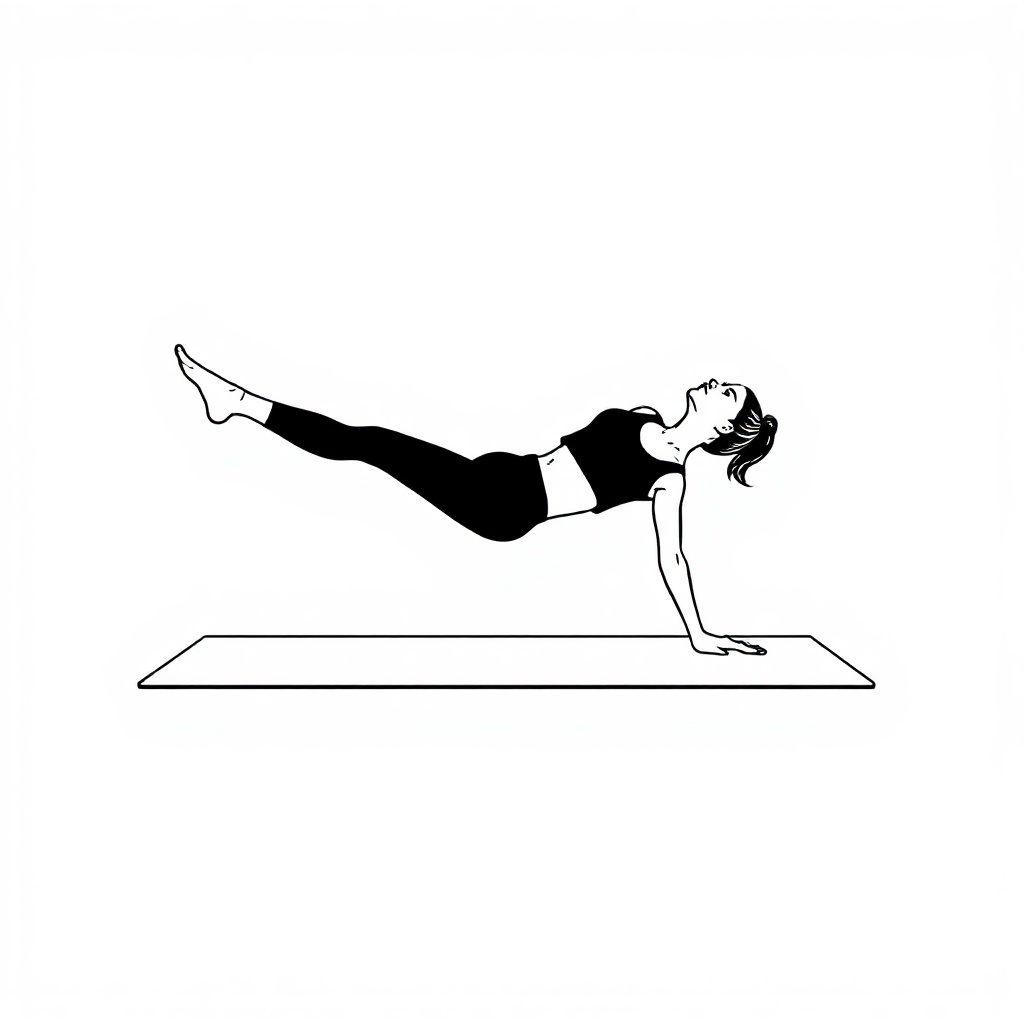
Quick beginner routine (10 minutes)
1.
Breathing and pelvic tilts — 1–2 minutes: Establish lateral rib cage breathing, nod the pelvis to find neutral spine.
2.
Single-leg stretch (modified) — 1 minute: Hands on shins, slow controlled marches to engage core without gripping the neck.
3.
Pelvic bridge — 1 minute: Lift through hips, hold briefly, articulate the spine down.
4. Side-lying leg series (modified) — 2 minutes: Small circles and lifts for hip stability.
5. Plank to knee tap — 2 minutes: Short holds with slow knee taps to maintain alignment.
6. Spine twist or seated roll-down — 1–2 minutes: Finish with rotation or articulation to mobilize the thoracic spine.
Breathing and cueing
Breath is central. Use diaphragmatic inhalation to expand the ribs laterally and posteriorly, then exhale gently to engage the deep abdominal muscles as you press into a movement. Think length before effort: reach long through limbs while maintaining connection to the center.
Common mistakes to avoid
– Holding breath during exertion; breathing should coordinate with movement.
– Overarching the lower back—keep a neutral spine and use the glutes/hamstrings in hip-dominant moves.
– Relying on momentum; Pilates is about control and precision.
– Neglecting pelvic floor engagement when appropriate—avoid excessive bearing down.
– Skipping progressions; regressions build longevity and reduce injury risk.
Who benefits most
Pilates suits a broad range of people: desk workers seeking posture relief, athletes aiming to reduce injury risk and improve performance, older adults improving balance and functional strength, and those undergoing movement rehab (with clinician clearance).
Safety and finding an instructor
Look for credentialed instructors who ask about medical history and movement goals. A reputable studio or certified teacher will offer progressions, hands-on adjustments (with consent), and alternatives for common conditions. For pregnancy, recent surgeries, or acute pain, seek medical clearance before beginning.
Make it sustainable
Short, consistent sessions produce better results than sporadic high-intensity bursts.
Aim for regular practice—several short mat sessions per week combined with occasional reformer work—and prioritize quality over quantity to build resilient, efficient movement.