Why Pilates Works: Benefits, Styles, and How to Start
Pilates is a low-impact movement system that builds core strength, improves posture, and enhances flexibility without high-impact strain. Whether you’re looking to complement strength training, recover from injury, or find a mindful full-body workout, Pilates offers adaptable tools and methods that suit beginners through advanced practitioners.
Core benefits at a glance
– Improved core stability: Pilates emphasizes deep abdominal and pelvic-floor engagement, which supports the spine and reduces lower-back pain.
– Better posture and alignment: Exercises focus on neutral spine alignment and balanced muscle development, helping counteract the effects of prolonged sitting.
– Increased mobility and flexibility: Controlled, flowing movements lengthen muscles gently while strengthening them, improving range of motion.
– Low-impact conditioning: With minimal joint stress, Pilates works well for rehabilitation and for athletes seeking cross-training that reduces injury risk.
– Mindful movement and breath control: Coordinated breathing and movement increase body awareness and can reduce stress.
Popular styles and equipment
– Mat Pilates: Performed on a mat using body weight.
It’s accessible, affordable, and excellent for mastering fundamentals like breathing, alignment, and basic core work.
– Reformer Pilates: Uses a spring-loaded carriage to provide adjustable resistance. It’s ideal for progressive loading, rehab, and more dynamic, precise movement.
– Cadillac, Wunda Chair, and other apparatus: These add variety and specific challenges for balance, coordination, and strength.
– Contemporary vs.
classical approaches: Contemporary classes may blend modern exercise science and equipment innovations, while classical classes adhere closely to the original sequence of exercises.
How to choose the right class
– Skill level: Start with a beginner mat or intro reformer class to learn foundational cues and safety principles.
– Instructor credentials: Look for instructors certified through reputable Pilates organizations and with experience teaching clients with similar goals.
– Class size: Small group or private sessions allow for individualized corrections and quicker progress, especially when starting or rehabbing an injury.
– Goals and preferences: If weight-bearing resistance or machine-assisted progressions appeal to you, try reformer work. If convenience and travel are factors, mat Pilates offers strong benefits with minimal equipment.
Common mistakes and how to avoid them
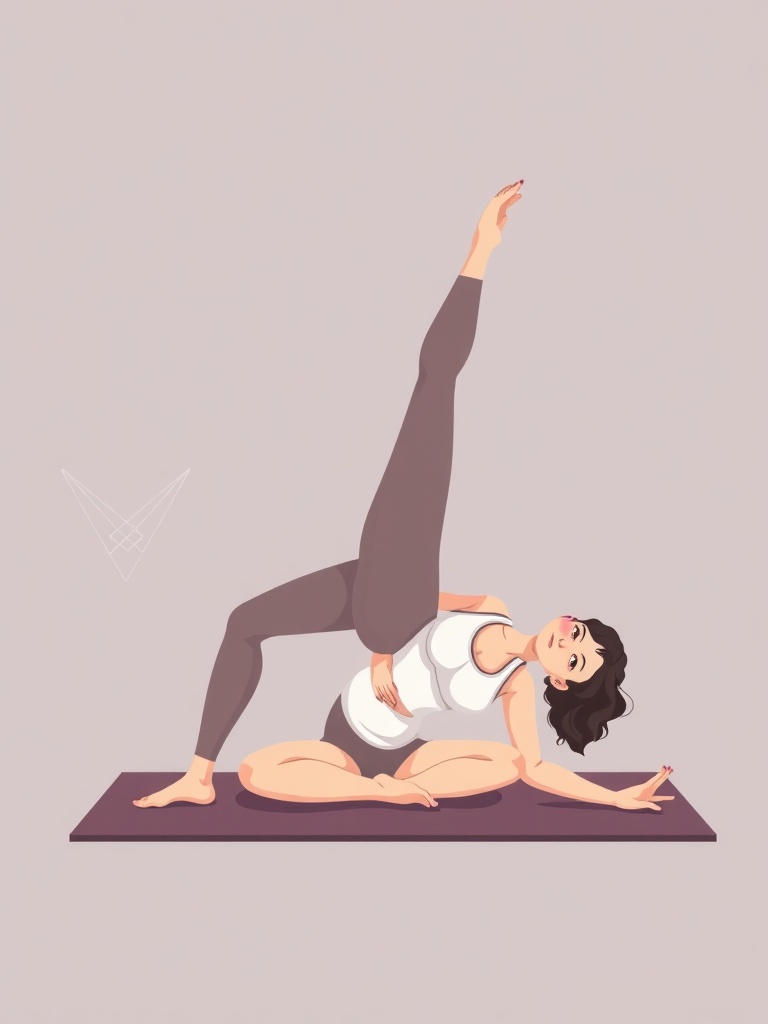
– Over-reliance on “sucking in” the belly: Engage deep core muscles with coordinated breath rather than holding a breath or rigidly tucking the pelvis.
– Racing through movements: Pilates emphasizes precision; slow, controlled reps create better neuromuscular engagement.
– Ignoring hip and shoulder mobility: Balance core work with mobility drills to prevent compensations that lead to strain.
– Skipping basics: Advanced exercises are tempting, but solid mastery of fundamentals delivers safer, longer-lasting results.
Integrating Pilates into a fitness routine
– Frequency: Two to three short sessions per week can yield noticeable improvements in strength and posture. Supplement with cardiovascular work and resistance training as desired.
– Progression: Gradually increase resistance or complexity—use props, springs, or more challenging variations—rather than jumping into advanced moves.
– Recovery and consistency: Pilates supports recovery when paired with adequate rest, sleep, and nutrition; regular practice reinforces motor patterns and postural gains.
If you’re curious to try Pilates, start with a beginner-friendly class or a single private session to learn core cues and breathing patterns. With consistent practice and mindful attention to alignment, Pilates can transform the way your body moves, feels, and performs.