CrossFit delivers intense, varied workouts that build strength, endurance, and agility — but long-term progress comes from balancing intensity with smart recovery, consistent technique work, and thoughtful programming. Whether you’re new to CrossFit or have years of experience, focusing on a few core principles will keep performance improving and injuries at bay.
Start with movement quality
Technique is the foundation. Rushed reps and ego-driven loads are the quickest path to setbacks. Prioritize a slow, controlled warm-up that reinforces movement patterns you’ll need in the workout: hip hinge for deadlifts, thoracic rotation for overhead positions, and scapular control for pulls and presses. Use lighter sets and tempo work to ingrain proper mechanics before adding load or speed.
Scale intelligently
Scaling isn’t a shortcut — it’s a tool.
Reduce load, modify range of motion, or break workouts into manageable intervals when a movement compromises form or when recovering from fatigue.
Progression should be incremental: add small weight increases, extra reps, or shortened rest periods only after technique is consistent.
Make mobility part of training, not an afterthought
Mobility prevents compensations that lead to pain. Daily mobility routines that target hips, shoulders, ankles, and thoracic spine pay dividends.
Incorporate short mobility circuits before workouts and use targeted sessions on non-training days. Tools like bands, lacrosse balls, and a consistent foam-roll routine help maintain range of motion.
Program for longevity
Plan microcycles that alternate intensity and volume.
Include:
– Skill and strength sessions with measured load and rep schemes
– High-intensity metabolic work that’s brief and focused
– Lower-intensity aerobic or technique-focused sessions for recovery
Deload weeks or lighter training blocks are essential to avoid cumulative fatigue. Track training stress with simple metrics — perceived exertion, sleep quality, and mood — to decide when to back off.
Prioritize recovery strategies
Recovery extends beyond rest days. Quality sleep, balanced nutrition, and hydration are non-negotiable. Post-workout, refuel with a mix of protein and carbohydrates to support muscle repair and glycogen replenishment. Active recovery — light cardio, mobility flows, or a short walk — can speed recovery more effectively than total inactivity for many athletes.
Use accessory work wisely
Accessory exercises shore up weaknesses that show up under fatigue. Add single-leg work for stability, posterior chain accessories for deadlift support, and core anti-extension movements for barbell stability.
Short, focused accessory sessions two to three times a week compound into measurable gains.
Listen to feedback from your body and coach
Symptoms like persistent joint pain, significant sleep disruption, or lasting drops in performance are signals to reassess. Coaches provide objective feedback and programming adjustments; communicate openly about soreness, stress, and recovery. Small tweaks early prevent bigger problems later.
Track progress without obsession
Regular benchmarking helps measure fitness but avoid constant maxing out. Use benchmark workouts, strength testing at lower frequency, and movement proficiency standards to track progress.
Celebrate consistency and incremental improvements as much as big PRs.
Practical checklist to apply now
– Always warm up with movement-specific drills
– Scale workouts to preserve form under fatigue
– Schedule mobility sessions and short accessory blocks
– Monitor sleep, nutrition, and hydration as training tools
– Plan regular lighter weeks to avoid burnout
– Communicate with your coach and adjust based on feedback
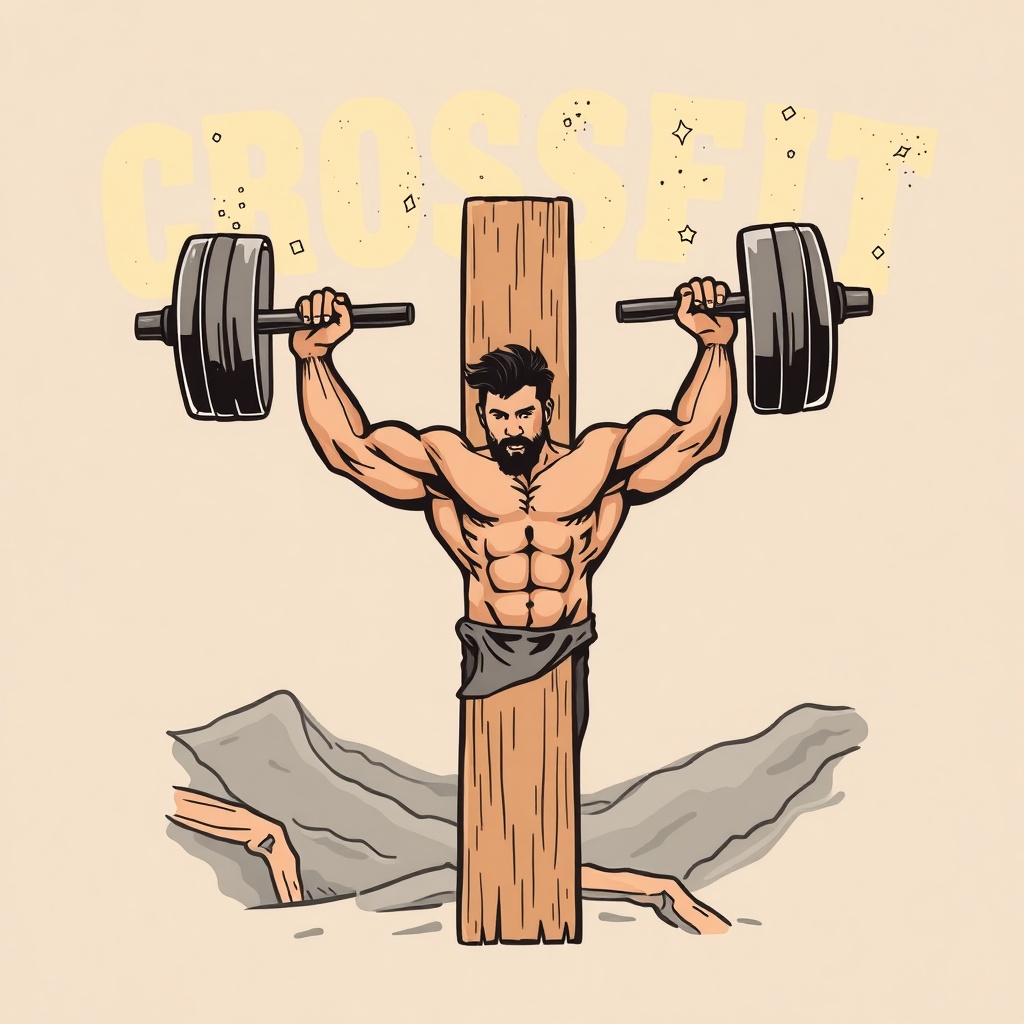
CrossFit rewards athletes who balance ambition with discipline. By prioritizing movement quality, recovery, and thoughtful progression, you’ll sustain gains, reduce injury risk, and enjoy the long-term benefits of functional fitness.