CrossFit: Smart Programming, Sustainable Progress, and Strong Community
CrossFit remains one of the most popular approaches to functional fitness because it blends strength, conditioning, and community. For athletes and newcomers alike, the key to long-term success is programming that prioritizes technique, recovery, and gradual progression rather than chasing high-intensity results every session.
Programming that works
Effective CrossFit programming balances three main components: strength, metabolic conditioning (metcon), and skill/technique work. A typical weekly plan might include two dedicated strength sessions (squats, deadlifts, presses), two metcon-focused sessions (short, high-intensity efforts and longer endurance-style workouts), and daily skill practice (gymnastics, Olympic lifts, double-unders). Rotate intensity through planned harder and easier days to reduce injury risk and improve performance.
Warm-up and mobility
A targeted warm-up increases performance and reduces injury risk. Start with 5–10 minutes of light cardio, then move to dynamic mobility that targets the hips, shoulders, and thoracic spine. Include muscle activation drills for glutes and scapular stability. Finish with movement-specific rehearsals at low loads or scaled tempo to groove technique before intensity.
Scaling and progression
CrossFit is scalable—workouts can be adjusted for all fitness levels. Use the following scaling strategies:
– Reduce load: drop barbell weight, use kettlebells, or bodyweight alternatives.
– Modify reps or rounds: choose fewer rounds or a time-cap to maintain intensity while preserving form.
– Adjust movements: swap pull-ups for ring rows, handstand push-ups for pike push-ups.
Track progress with objective metrics: weight lifted, rep completions, or time to completion.
Gradually increase load, reps, or intensity by small increments to promote steady gains.
Sample WOD (scalable)
For time:
– 21-15-9 reps of
– Deadlifts (135/95 lb or kettlebell single-arm alternatives)
– Box jumps (24/20 in or step-ups)
Then
– 3 rounds of 400m run or 45 seconds row/bike
Scale options: reduce deadlift weight, lower box height, or perform 200m runs. Use a time cap that fits current conditioning.
Technique and skill work
Allocate short, focused blocks to skills like Olympic lifts, handstands, or double-unders.
Prioritize slow, deliberate reps to build motor patterns. Use video feedback where possible and work with a coach to correct common technical faults—rounded backs on deadlifts, improper hip extension on cleans, or collapsed shoulders on ring work.
Recovery and nutrition
High-quality recovery amplifies training gains. Prioritize consistent sleep, adequate protein intake to support muscle repair, and periodized carbohydrates to fuel high-intensity sessions. Hydration and electrolyte balance matter for performance and recovery. Include active recovery days—light aerobic work, mobility sessions, or yoga—to maintain movement quality without adding stress.
Community and mindset
One distinctive advantage of CrossFit is the box culture. Training with others boosts accountability and enjoyment. Focus on long-term improvements rather than comparing workouts; cross-training, rest, and a steady mindset yield the best, most sustainable results.
Safety first
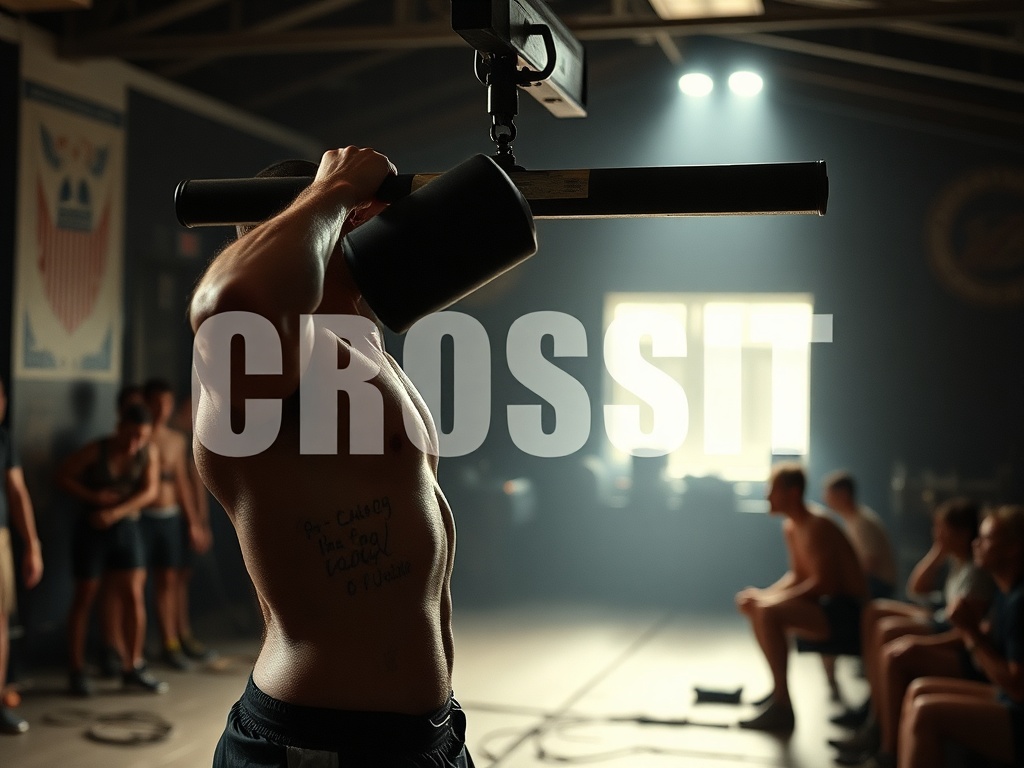
Always prioritize technique over load or speed.
Warm up thoroughly, respect programmed rest and deload weeks, and consult a healthcare provider before starting if there are preexisting conditions. Progressive, consistent training yields better outcomes than sporadic maximal efforts.
Try the sample WOD, record your performance, and use those numbers to guide small, measurable increases in your next training cycle for consistent, lasting gains.