Gravel riding keeps growing because it blends road speed with off-road capability, opening more routes and possibilities for cyclists who want one bike that can do a lot. Choosing the right gravel bike comes down to matching frame geometry, tires, gearing, and components to how and where you plan to ride. This guide breaks down the essentials so you can choose with confidence.
What makes a gravel bike different
Gravel bikes combine drop-bar ergonomics with roomier tires, relaxed geometry, and mounting points for racks and bottles. They prioritize stability and comfort over the aggressive posture of a pure road race bike, making them ideal for long mixed-surface rides, bikepacking, and commuting with an adventurous twist.
Frame and geometry
Look for a slightly longer wheelbase and slacker head tube angle versus a race road bike — that equals stability on rough descents and steering predictability on loose surfaces.
Many frames offer clearance for 40–50 mm tires (or wider for some frames) and additional mounting points for cages and fenders. Carbon gives lightness and compliance; aluminum and steel offer durability and cost-efficiency.
Titanium combines comfort and longevity but at a premium.
Tires and pressure
Tire choice is the biggest performance lever on a gravel bike. Wider tires (35–50 mm) increase comfort and traction; tread patterns range from low-rolling-resistance designs for hardpacked gravel to blockier treads for mud and loose dirt. Running tubeless with sealant reduces flats and allows lower pressures for better grip and comfort.
As a rule, drop pressure until you get better traction without rim strikes — conditions and rider weight dictate the sweet spot.
Drivetrain and gearing
Gravel groupsets tend toward single-chainring (1x) systems for simplicity and chain security, with wide-range cassettes that cover most terrain without a front derailleur.
Double (2x) setups still offer closer steps and lower climbing gears for heavy loads or steeper climbs. Electronic shifting is available on higher-end builds for crisp, low-maintenance performance; mechanical remains reliable and easier to repair on remote rides.
Brakes and wheel considerations
Hydraulic disc brakes are standard for their modulation and power in wet and muddy conditions.
Wheel strength matters more on rough roads than lightness — look for durable rims and reliable axle standards. Many riders prefer tubeless-ready rims that simplify setup and reduce puncture risk.
Fit and comfort
A proper fit is essential for long days in the saddle. Pay attention to reach, stack, and handlebar width, and consider a flared drop bar for better control on descents and rough ground. Saddle comfort is personal; test mounts and adjust saddle position incrementally.
Dropper posts are appearing on some gravel builds to allow faster, safer descents when terrain gets steep.
Practical accessories
– Two bottle cages or frame bag for hydration and tools
– Tubeless repair kit, spare tube, and a compact pump or CO2
– Multi-tool, chain breaker, and spare derailleur hanger
– Lights and fenders if you commute or ride in variable weather
– Comfortable, weather-appropriate clothing and gloves
Maintenance and care
Regularly clean drivetrain, inspect tire sealant levels, and check torque on bolts, especially after rough rides. Keep brake pads and rotors in good condition and true wheels when required. A little routine maintenance extends component life and keeps rides predictable.
Final thought
Choosing the right gravel bike is about matching intended use with sensible compromises: tire clearance and comfort for exploration, robust wheels and brakes for mixed surfaces, and gearing that suits your terrain and load.
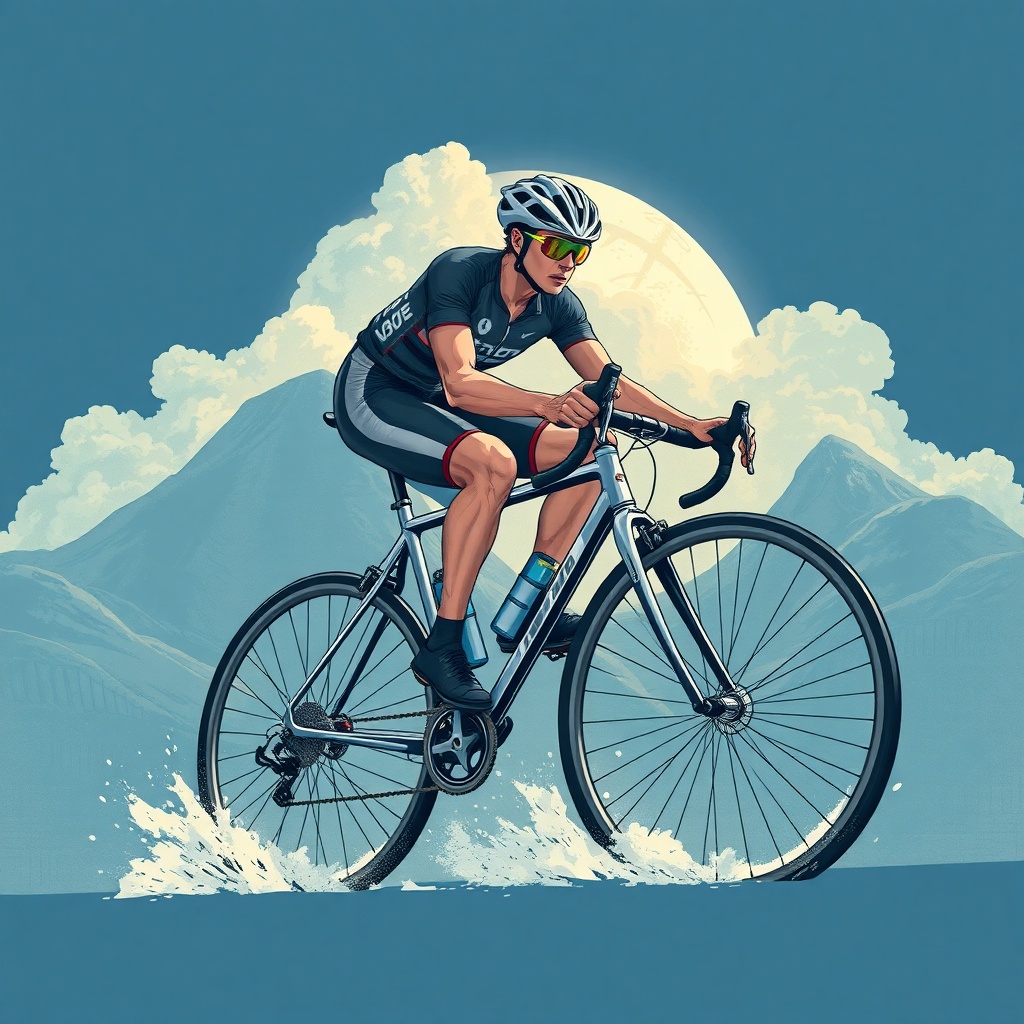
Test-ride different setups when possible and prioritize components that make you feel confident off the beaten path.