Pilates keeps growing as a go-to method for improving posture, core strength, and movement quality. Whether you’re a complete beginner, an athlete looking to cross-train, or rehabbing an injury, Pilates offers low-impact, highly adaptable workouts that build durable strength without bulk.
Why Pilates works
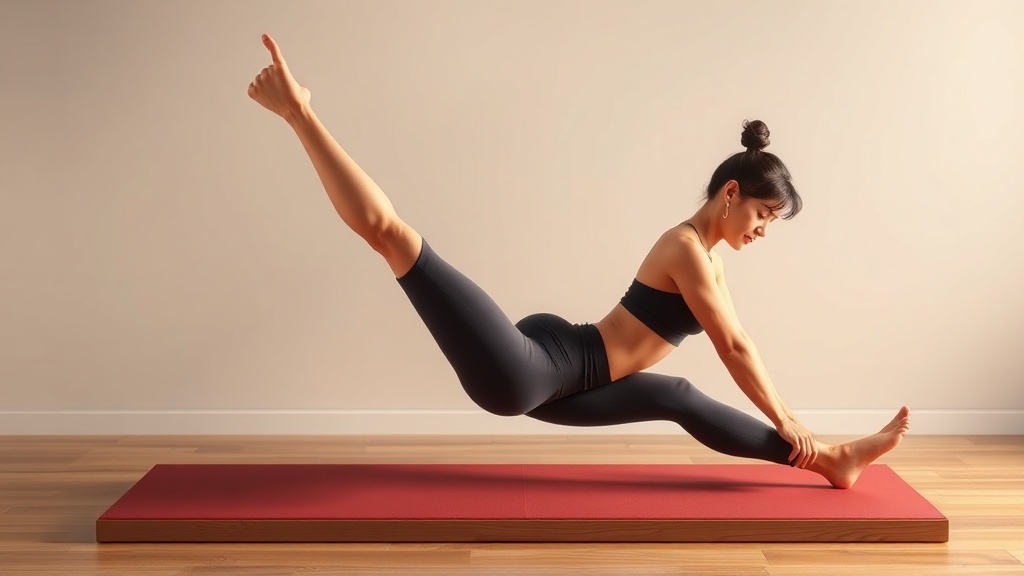
Pilates emphasizes controlled movement, alignment, and breath.
That combination trains deep stabilizing muscles—especially the transverse abdominis, pelvic floor, and multifidus—that support the spine. Rather than chasing maximal loads, Pilates focuses on quality of movement and efficient muscle recruitment, which translates into better posture, reduced back pain, and smoother everyday motion.
Mat vs. Reformer (and other equipment)
– Mat Pilates: Portable and accessible, mat work uses bodyweight and small props (bands, balls, rings) to create resistance. Great for building foundational control.
– Reformer Pilates: The reformer uses springs and a sliding carriage to provide adjustable resistance and support. It’s excellent for precise loading, progressive challenge, and rehab-friendly modifications.
– Other apparatus: Cadillac, chair, and barrels offer specialized options for mobility, strength, and therapeutic work.
Choosing a class
Look for instructors with reputable training and clear progressions.
Programs with certification from recognized bodies or established schools often emphasize anatomy and safe cueing. If you have a history of injury or pregnancy, tell the instructor before class so they can modify appropriately.
Many studios now offer hybrid options—small in-person classes and live or on-demand online sessions—so you can build consistency no matter your schedule.
What to expect in your first sessions
Beginners typically start with basic breath work, pelvic mobility, and foundational exercises like pelvic tilts, scapular mobilizations, and gentle core activation.
Expect slow, deliberate reps with an emphasis on alignment and breath timing. Quality trumps quantity; mastering control early reduces the risk of compensatory patterns later.
Practical cues and breathing
– Neutral spine: Find a comfortable spinal position where you can breathe freely without collapsing or over-arching.
– Ribcage down: Maintain light contact between ribs and pelvis to engage the deep core without holding your breath.
– Zip or draw up: Gently engage the lower belly toward the spine and imagine lifting the pelvic floor.
– Lateral expansion breathing: Breathe into the sides and back of the ribcage to stabilize the core while maintaining mobility.
Common mistakes to avoid
– Using momentum instead of muscle control—slow the movement and focus on precision.
– Over-bracing—tensing the shoulders or neck reduces the effectiveness of core work.
– Neglecting mobility—stiff hips or thoracic spine limit technique and force unwanted compensations.
Frequency and progression
Consistency matters more than long, sporadic sessions. Short, focused sessions three times a week build better movement patterns than a single long workout. As control improves, increase challenge by adding resistance, range of motion, or more complex coordination tasks.
Pilates for specific goals
– Back pain: Emphasizes spinal stability and motor control to reduce flare-ups.
– Athletes: Enhances movement efficiency, balance, and injury resilience without heavy hypertrophy.
– Prenatal/postnatal: Adapted Pilates can preserve strength and promote recovery; always work with a qualified instructor and medical clearance.
Safety note
If you have acute pain, significant medical conditions, or are pregnant, consult a healthcare provider before starting a new exercise program and work with an instructor experienced in therapeutic adaptations.
Try a trial class or short online series to experience the slow, purposeful approach. With consistent practice, Pilates reshapes not just muscles but how you move through daily life—more ease, better posture, and a stronger foundation for everything you do.