Short bursts of movement—often called “movement snacks” or micro-workouts—are changing how busy people stay fit. These brief sessions, typically 1–10 minutes long, are easy to fit into a packed day, require little or no equipment, and deliver measurable benefits for strength, cardiovascular health, mood, and productivity.
Why micro-workouts work
– Time efficiency: Short sessions lower the activation energy for exercise. When a full gym visit feels impossible, a four-minute routine is doable.
– Metabolic impact: Brief high-intensity efforts raise heart rate and metabolism, and repeated throughout the day they add up to significant calorie burn.
– Habit formation: Frequent, achievable wins build consistency. Completing multiple short sessions is psychologically easier than forcing one long workout.
– Cognitive and mood benefits: Short movement breaks boost blood flow to the brain, improve focus, and reduce stress—useful for remote or desk-bound work.
How to design an effective micro-workout
Focus on compound movements and vary intensity. Aim for full-body engagement when possible, and pair higher-intensity intervals with active recovery.
A well-structured micro-workout includes:
– Warm-up (30–60 seconds): light marching in place, shoulder rolls, hip circles.
– Main set (2–8 minutes): bodyweight moves or resistance-band exercises performed in intervals.
– Brief cool-down (30–60 seconds): deep breathing, gentle stretches.
Sample micro-workouts to try
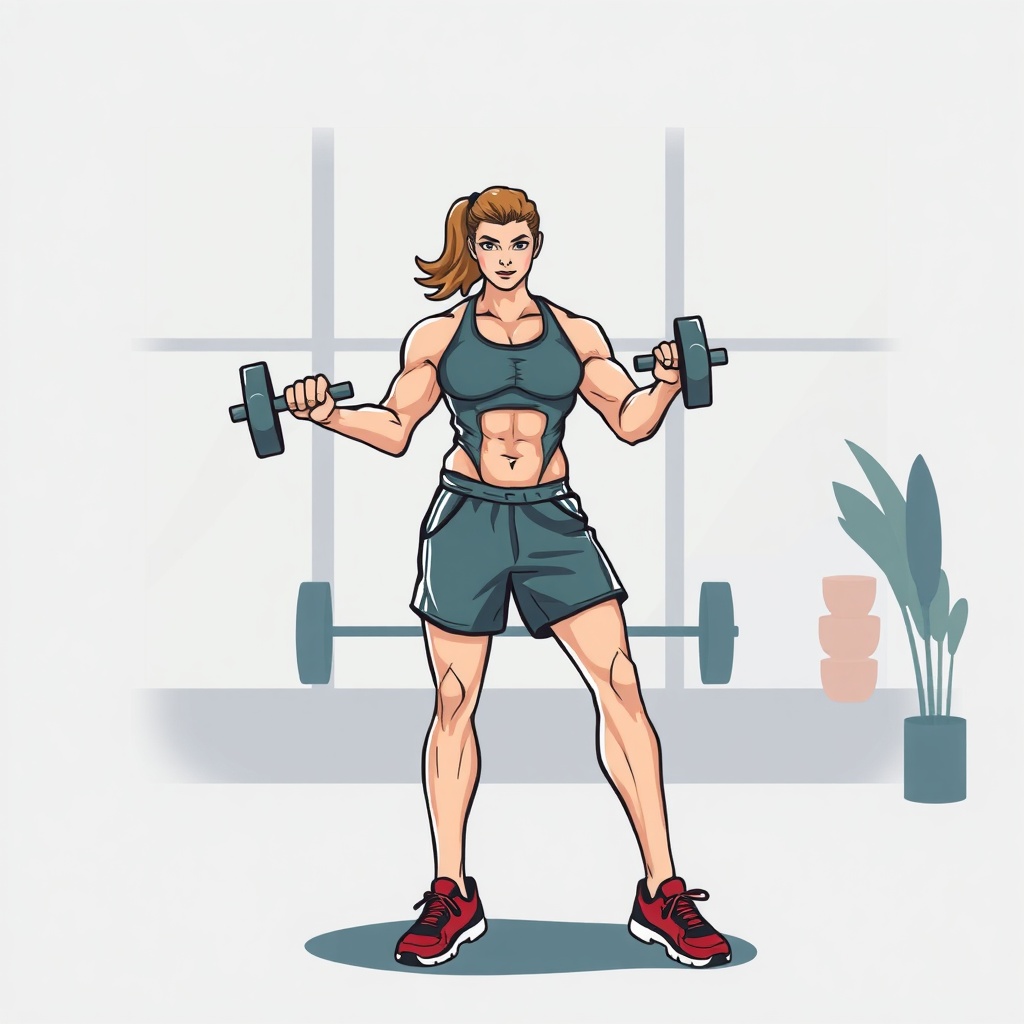
1) Desk energizer (5 minutes)
– 40 seconds bodyweight squats, 20 seconds rest
– 40 seconds push-ups (incline on desk if needed), 20 seconds rest
– 40 seconds alternating lunges, 20 seconds rest
– 40 seconds standing mountain climbers, 20 seconds rest
2) Stair interval blast (6 minutes)
– 30 seconds fast stair climbs, 30 seconds walk back down (repeat 6 times)
3) Strength mini-circuit (4 minutes, use a resistance band or dumbbells)
– 30 seconds bent-over rows
– 30 seconds rest
– 30 seconds goblet squats
– 30 seconds rest
– Repeat once
Progression and frequency
Start with two to three micro-workouts per day and build from there. For strength gains, include resistance-based micro-sessions every other day and increase load or reps gradually. For cardio, shorter high-intensity intervals can be repeated more frequently. Track reps, perceived exertion, or time under tension to measure progress.
Safety and recovery
Movement snacks are low-risk for most people, but follow basic precautions:
– Use proper form—quality matters more than speed.
– If you have existing conditions or injuries, choose low-impact variations and consult a professional before trying high-intensity moves.
– Combine micro-workouts with at least one longer, structured session per week for balanced fitness, including flexibility and mobility work.
How to make them stick
– Anchor sessions to daily routines (after morning coffee, mid-afternoon slump, or between meetings).
– Use phone timers, wearable reminders, or calendar blocks to build consistency.
– Make them social: challenge a colleague or friend to a 7-day micro-workout streak.
– Celebrate small wins—consistency compounds quickly.
Why they matter
Micro-workouts remove excuses and make movement accessible. For people juggling work, family, and other responsibilities, these short sessions transform fragmented time into purposeful activity.
Over weeks and months, the cumulative effect improves strength, stamina, and mental clarity—without demanding a major lifestyle overhaul. Try integrating movement snacks into your routine and notice how small, consistent efforts yield big returns.