The Power of Short, Frequent Workouts: How “Movement Snacks” Improve Fitness and Focus
Busy schedules no longer have to mean sacrificed fitness. Currently, a growing number of people are turning to short, frequent workouts—often called “movement snacks”—to build strength, boost cardiovascular health, and sharpen mental focus without needing long gym sessions. These time-efficient bursts of activity fit into commutes, work breaks, and between household tasks, making consistency far more attainable.
Why short workouts work
– Time barrier reduction: Breaking exercise into 5–20 minute blocks removes the psychological hurdle of a full-hour commitment.
– Metabolic and cardiovascular gains: Brief high-intensity efforts elevate heart rate and metabolic rate, producing benefits similar to longer sessions when done consistently.
– Improved adherence: Frequent, achievable sessions increase long-term habit formation and reduce exercise avoidance.
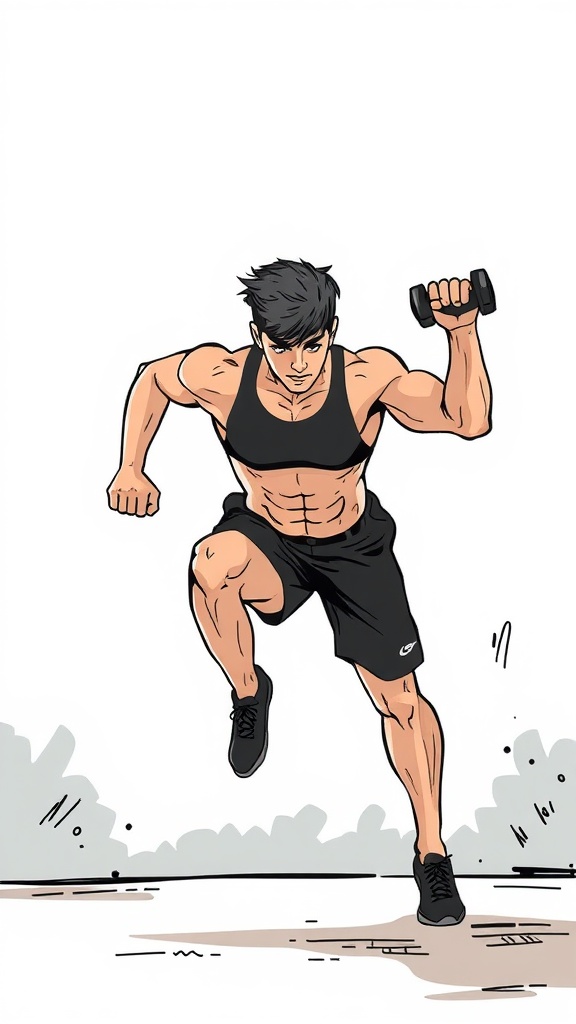
– Mental reset: Short movement breaks improve concentration, creativity, and mood by increasing blood flow and releasing endorphins.
Designing effective movement snacks
A well-rounded approach balances cardio, strength, mobility, and recovery. Aim for at least one short strength-focused session and one cardio or mobility session each day when possible.
Sample 10-minute routines
– Full-body strength (10 minutes): 40 seconds work / 20 seconds rest cycles: squats, push-ups (or incline push-ups), bent-over rows with dumbbells or resistance band, glute bridges, plank hold.
– Quick HIIT (10 minutes): 20 seconds on / 10 seconds off for 8 rounds: jumping jacks, mountain climbers, high knees, burpees (scale intensity to fitness level).
– Mobility and recovery (10 minutes): Cat-cow, thoracic rotations, hip flexor stretch, hamstring dynamic stretches, child’s pose with deep breathing.
Progression and variety
Rotate exercises weekly and gradually increase intensity, duration, or resistance.
Add load to strength moves, reduce rest periods for cardio sessions, or extend from a 10-minute snack to a 20-minute session. Tracking small improvements—more reps, better form, or faster recovery—keeps motivation high.
Integrating with longer workouts
Movement snacks complement, not replace, longer training sessions. Use short workouts on busy days and schedule dedicated strength or endurance sessions a few times per week for structured progression.
Combining both strategies provides the best balance of convenience and measurable fitness gains.
Nutrition, hydration, and recovery
Even short workouts benefit from basic fueling: a light snack or coffee can enhance performance for morning movement; staying hydrated supports energy and recovery. Prioritize sleep and include active recovery days to prevent overuse injuries. If medical conditions exist, consult a healthcare professional before intensifying exercise.
Tracking and motivation
Wearables and simple habit trackers can reinforce consistency—set small daily targets (e.g., three 10-minute sessions) and celebrate completion. Pair movement snacks with routine cues: after a work call, during laundry cycles, or at commercial breaks. Social accountability—friends, coworkers, or online groups—boosts adherence.
Who benefits most
Movement snacks are ideal for busy professionals, parents, older adults seeking mobility, and beginners intimidated by traditional workouts.
They’re adaptable to any fitness level and can be scaled to meet specific goals, from fat loss and strength maintenance to improved focus and stress relief.
Actionable start
Begin with a realistic plan: commit to two 10-minute movement snacks on most days, choose one strength and one mobility/cardio sequence, and track continuity for a month. Small, consistent efforts compound into meaningful fitness gains and create a sustainable exercise habit that fits real life.