Pilates: Practical Benefits, How to Start, and Tips for Better Practice
What is Pilates and why it works
Pilates is a mindful movement system that emphasizes core strength, breath control, spinal alignment, and coordinated movement. It blends strength and mobility work with precise, low-impact movements that improve posture, reduce pain, and support everyday function. Because Pilates trains the deep stabilizing muscles rather than just surface muscles, it’s especially effective for people who want lasting changes in movement quality and body awareness.
Mat vs. reformer: which to choose
Mat Pilates uses bodyweight and small props to build stability and control. It’s accessible and portable. Reformer Pilates uses a spring-loaded carriage to add variable resistance, making it easier to scale intensity and target specific muscle patterns. Beginners often start on the mat to learn fundamentals, then add the reformer for variety and progressive challenge.
Who benefits most
– People with desk-job posture problems or chronic low back discomfort
– Athletes seeking improved core control and injury prevention
– Older adults aiming to maintain mobility and balance
– Anyone looking for low-impact cross-training for running or lifting
Core principles to focus on
– Breath: Inhale to prepare, exhale to initiate movement and engage deep abdominal muscles. Coordinated breathing helps control movement and reduces unnecessary tension.
– Neutral spine: Maintain a natural lumbar curve unless a cue calls for mobilization.
– Control and precision: Move deliberately. Quality of movement matters more than quantity.
– Flow: Link movements into smooth sequences rather than jerky repetitions.
Beginner mini routine (no equipment)
– Pelvic curl: 8–10 slow reps.
Inhale to prepare, exhale to articulate the spine off the mat, inhale at the top, exhale to roll down one vertebra at a time.
– Single leg stretch: 6–8 reps per side.
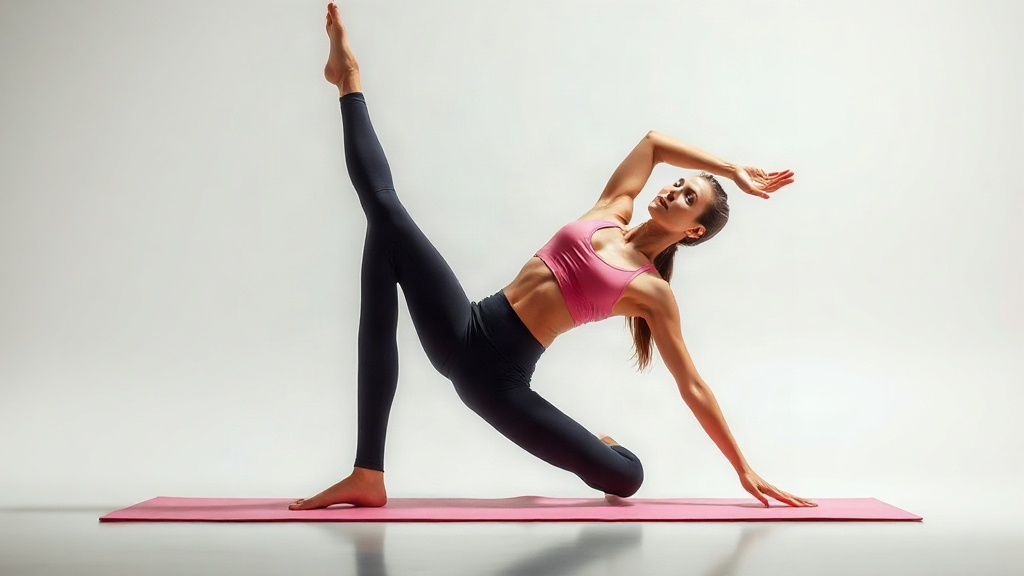
Keep ribs long and neck relaxed while alternating legs.
– Spine twist supine: 6 reps each side. Arms open in a T, knees bent; rotate the pelvis gently while keeping shoulders grounded.
Common mistakes and how to fix them
– Over-bracing the neck: Keep the chin slightly tucked and use hands behind the head only lightly for support.
– Holding breath: Practice inhaling to expand the ribs, exhaling to initiate core engagement.
– Rushing through repetitions: Slow down and aim for controlled, smooth movement.
– Neglecting pelvic floor: Coordinate pelvic-floor engagement with exhalation for better core support.
Safety and modifications
Always communicate injuries or pregnancy to your instructor. Modify exercises by reducing range of motion, decreasing repetitions, or using props (pillows, small balls, bands). If you have recent surgery, severe osteoporosis, or acute joint pain, consult a healthcare provider before starting.
Choosing an instructor or class
Look for instructors who emphasize assessment, offer clear progressions, and adapt exercises to your needs. In-studio sessions offer hands-on cues and equipment access; online classes can be effective when you choose platforms with certified instructors and clear verbal guidance.
Consistency and progression
Short, regular sessions beat infrequent long workouts. Build a base of control with mat work, then add resistance and complexity. Progress slowly and prioritize form — that’s where lasting gains in strength, posture, and movement quality come from.