A balanced, sustainable workout routine blends strength, cardio, mobility, and recovery to build fitness without burnout. Whether you train at home or the gym, a hybrid plan that prioritizes progressive overload, movement quality, and consistent recovery gives the biggest payoff for time invested.
Core principles to follow
– Progressive overload: Gradually increase load, reps, sets, or intensity to stimulate continued adaptation.
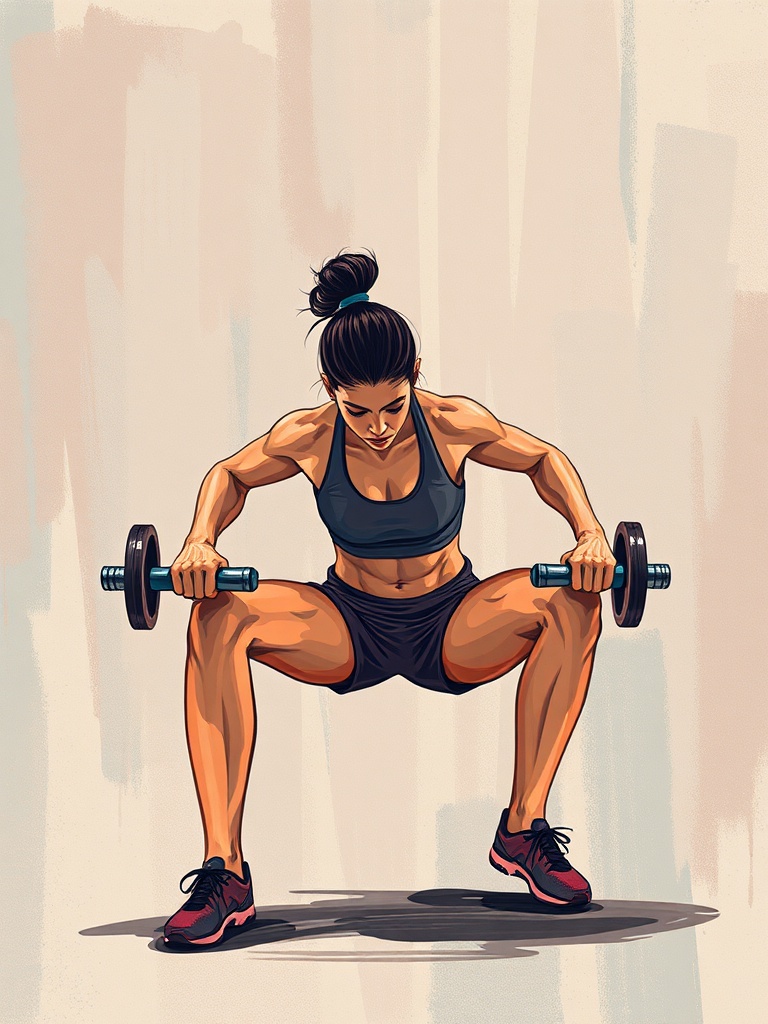
Track workouts so small gains add up.
– Movement quality: Prioritize technique over heavy weights. Proper form reduces injury risk and improves long-term results.
– Frequency and consistency: Short, frequent sessions beat sporadic long workouts. Aim for regular training days and planned recovery.
– Recovery as training: Sleep, nutrition, hydration, and active recovery drive adaptation. Skipping recovery undermines effort.
– Mobility and stability: Flexible joints and stable patterns enable heavier lifts and better athleticism.
Weekly hybrid template (flexible)
– Day 1 — Strength (lower body focus): Compound lifts (squat or goblet squat, Romanian deadlift, lunges), 3–4 sets of 6–10 reps; finish with 10–15 minutes of accessory work (calves, hamstrings, core).
– Day 2 — Conditioning + Mobility: 20–30 minutes HIIT or tempo cardio (sprints, rowing, circuit of kettlebell swings); followed by 10–15 minutes mobility flow (hip openers, thoracic rotations).
– Day 3 — Strength (upper body): Presses and pulls (bench or push-ups, rows, overhead press variations), 3–4 sets of 6–10 reps; include scapular work and rotator cuff stability.
– Day 4 — Active recovery or low-intensity steady state (LISS): 30–45 minutes walking, cycling, or swimming; focus on breathing and loosening tight areas.
– Day 5 — Full-body power + core: Explosive moves (jump squats, kettlebell swings, medicine ball throws), 3–5 sets of 3–8 reps; core circuit for bracing and anti-rotation.
– Day 6 — Optional play day or mobility: Sport, hike, dance class, or targeted mobility session.
– Day 7 — Rest or gentle movement: Light yoga or walking; assess soreness and adjust the following week.
Sample session structure
– Warm-up (8–12 minutes): Dynamic mobility, light cardio, movement rehearsal of main lifts.
– Working sets: Focus on main goals—strength, hypertrophy, or power—with RPE guidance (keep last rep challenging but controlled).
– Accessories and conditioning: Short circuits to address weaknesses or improve conditioning.
– Cool-down (5–10 minutes): Light stretching, breathing work, foam rolling if needed.
Progression and avoiding plateaus
– Use small, consistent increments (weight, reps, tempo). When progress stalls, change one variable—volume, intensity, or frequency.
– Deload every 4–8 weeks or when persistent fatigue accumulates: reduce volume or intensity for a week to restore performance.
– Vary movement patterns across microcycles (push/pull, bilateral/unilateral, horizontal/vertical) to avoid adaptation.
Equipment alternatives
– No gym? Use dumbbells, kettlebells, resistance bands, and bodyweight. Bands and kettlebells offer excellent capacity for progressive overload when programmed.
– Minimal gear workouts: Loaded carries, single-leg deadlifts, push-ups, rows with bands, and jump variations provide broad stimulus.
Monitoring and adjustments
– Track performance with simple metrics: session RPE, sets and reps, resting heart rate, and sleep quality.
– If strength drops and sleep/HR reflect stress, prioritize recovery and reduce training load.
– Celebrate non-scale progress: movement quality, reduced soreness, improved sleep, and easier daily tasks.
A routine that balances intensity with recovery, adapts progressively, and fits your schedule will deliver sustainable results. Start with manageable consistency, track what matters, and adjust based on performance and how you feel.