How to Build a Sustainable Yoga Practice That Fits Your Life
Yoga offers a powerful blend of physical movement, breath awareness, and mental focus that supports flexibility, strength, and stress resilience.
Whether the goal is calmer mornings, improved posture, or a more mindful approach to daily life, a sustainable yoga practice is built around consistency, smart progression, and adaptation to your body and schedule.
Why a consistent practice matters
Regular yoga practice compounds benefits. Short, frequent sessions often deliver more lasting change than occasional long classes because the body and nervous system respond to steady stimuli. Consistency helps rewire movement patterns, improve breathing mechanics, and establish a mental habit of pause and presence that carries into non-yoga moments.
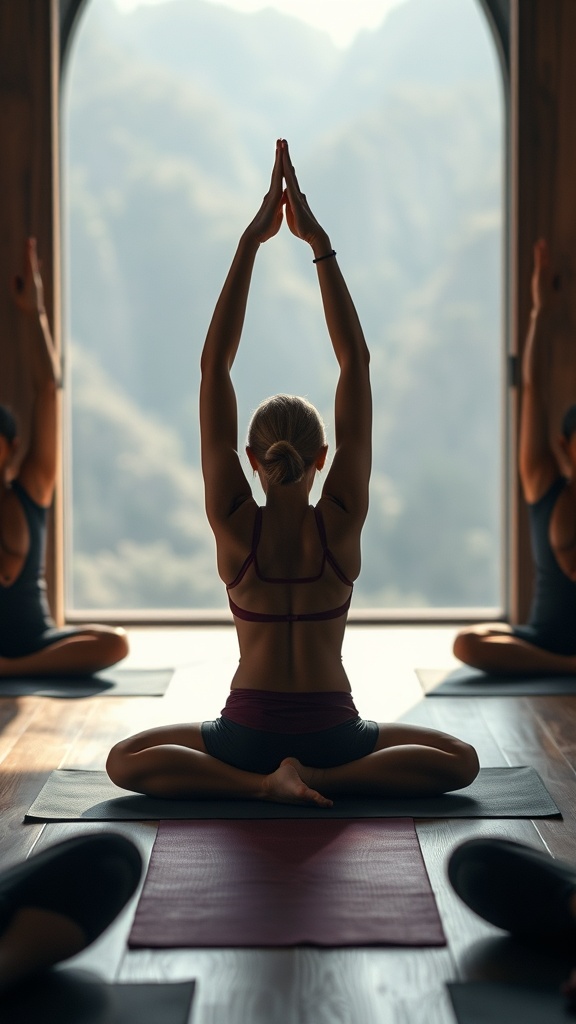
Practical tips to get started
– Start small: Commit to short practices you can maintain, such as 10–20 minutes most days. Even brief sessions focused on breath and mobility make a measurable difference.
– Choose a style that matches your needs: Gentle or restorative classes support recovery and stress relief; vinyasa or flow classes build cardiovascular fitness and strength; yin targets connective tissue and deep release.
– Prioritize breath: Simple diaphragmatic breathing or a gentle ujjayi-style breath links movement and calms the nervous system. Make breath your anchor during transitions and holds.
– Use props: Blocks, straps, and bolsters reduce strain and improve alignment, making poses accessible while protecting joints.
– Warm up before peak poses: Mobilize shoulders, hips, and spine to reduce injury risk and improve form.
A simple, effective daily sequence
This compact routine balances mobility, strength, and breathwork for busy schedules:
– Begin with 1–2 minutes of seated breath: slow, deep diaphragmatic inhales and full exhales.
– Cat–cow (5–10 rounds) to mobilize the spine.
– Low lunge (hold 3–5 breaths each side) to open hips.
– Downward-facing dog (2–4 breaths), pedal the feet to warm calves.
– Plank hold (20–40 seconds) to engage core and shoulders.
– Slow lowering to cobra or sphinx (3–5 breaths) for gentle back extension.
– Standing forward fold and gentle hamstring stretch (3–5 breaths).
– Mountain pose with a few mindful breaths, ending with a quiet 1–2 minutes of savasana or seated gratitude.
Common pitfalls and how to avoid them
– Overdoing advanced poses too soon: Progress gradually and respect your current mobility and strength.
– Neglecting rest days: Recovery supports tissue repair and mental freshness. Include restorative practices or gentle movement on low-energy days.
– Skipping alignment: Good alignment prevents compensations and chronic pain. Use mirrors, teacher feedback, or video review to refine form.
– Relying solely on intensity: Balance challenging classes with restorative sessions to avoid burnout.
Making yoga fit your lifestyle
Hybrid approaches often work best: combine studio classes for guidance and community with short home practices for daily consistency. When traveling, use chair-based sequences or stretch routines that require minimal space. Track progress by noting how daily activities (sleep quality, energy, posture) improve rather than fixating on a specific pose.
Breath and mindfulness as multipliers
Breath awareness and brief mindfulness exercises are high-return practices that enhance every yoga session. Even off the mat, two to five minutes of purposeful breathing can lower stress and improve focus—making yoga more than physical exercise but a practical tool for everyday resilience.
Try integrating these principles and observe which elements help you stick with practice. Over time, the combination of regular movement, intentional breath, and mindful recovery transforms yoga into an accessible, lifelong resource for body and mind.