Pilates is a low-impact movement system known for building core strength, improving posture, and enhancing body awareness. Whether you’re a complete beginner or a seasoned athlete, Pilates offers scalable exercises that complement most fitness routines and support rehabilitation from injury.
What Pilates actually does
At its core, Pilates trains the “powerhouse”—the deep muscles of the abdomen, back, pelvic floor, and hips—to stabilize the spine during movement. That focus on controlled, precise movement improves functional strength, balance, and mobility, helping reduce back pain and improve everyday movement patterns. Pilates is also movement-based mindfulness: controlled breathing and focused attention can lower stress and increase body awareness.
Mat vs. Reformer: which is right for you?
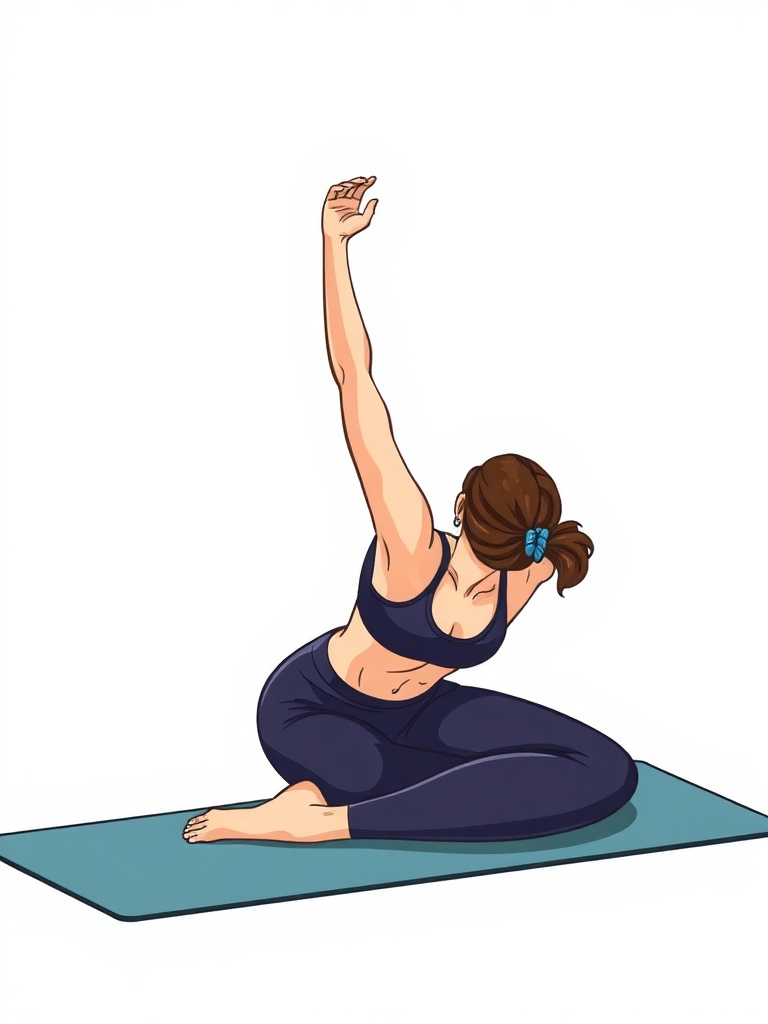
– Mat Pilates: Uses body weight and props like resistance bands, small balls, or a Pilates ring. Great for building foundational strength and mobility. Classes can be done at home with minimal equipment.
– Reformer Pilates: Performed on a spring-loaded carriage that adds resistance and assistance. Excellent for progressive strength training and precise alignment work. Many find reformer sessions fast-tracking strength gains while offering joint-friendly resistance.
Types of classes and settings
You’ll find private one-on-one sessions, duet or small group reformer classes, and larger mat classes.
Clinical Pilates (often delivered by physiotherapists) focuses on rehabilitation and pain management, while fitness-oriented classes emphasize power and conditioning. Choose the format that matches your goals: private sessions for personalized correction; group classes for motivation and affordability.
What to expect in a first class
A good introductory session begins with a movement screen and alignment checks, followed by foundational breathing and pelvic-floor cues. Expect slower, controlled movements with emphasis on form over reps. Instructors should offer modifications and cue breathing patterns to coordinate movement and stability.
Key principles to focus on
– Breath: Coordinate inhalation and exhalation with motion to support core engagement.
– Alignment: Neutral spine and ribcage awareness prevent overuse of superficial muscles.
– Precision: Quality of movement matters more than quantity.
– Control: Move with intentional speed; avoid momentum.
– Flow: Connect exercises to maintain efficiency and coordination.
Common mistakes and how to avoid them
– Overusing the neck and shoulders: Keep the neck long and avoid pulling with the hands or neck muscles.
– Shallow breathing: Use full diaphragmatic breaths to support stability.
– Rushing exercises: Slow, controlled repetitions recruit deeper stabilizers more effectively.
– Ignoring modifications: Use props or springs to reduce strain and ensure correct form.
Benefits for special populations
Pilates adapts well for pregnancy, older adults, and people recovering from injury. With proper modifications, it can build pelvic-floor strength, improve postural support, and restore balanced movement patterns without high impact.
How to choose an instructor
Look for certified training, clear communication, and an ability to offer scalable modifications. If you have health concerns, seek instructors with experience in clinical Pilates or who collaborate with healthcare providers.
Quick starter tips
– Begin with a beginner mat or intro reformer class.
– Prioritize breathing and alignment in every session.
– Consistency wins: short, frequent sessions produce more sustainable change than occasional intense workouts.
Pilates is a sustainable, adaptable approach to movement that pays dividends in strength, mobility, and daily comfort. With the right guidance and steady practice, it enhances both physical performance and movement confidence.