Pilates: Why it’s one of the smartest movement choices for strength, posture, and mobility
Pilates has moved beyond boutique studios to become a mainstream choice for people who want smarter movement, less pain, and a stronger core.
Rooted in controlled breathing, precise alignment, and coordinated movement, Pilates blends rehabilitation principles with fitness goals—making it a highly versatile practice for beginners through advanced exercisers.
Core benefits that keep people coming back
– Improved core strength: Pilates targets the deep stabilizing muscles of the torso—transversus abdominis, pelvic floor, and multifidus—which support the spine and reduce low-back strain.
– Better posture and alignment: Repetitive, mindful exercises teach awareness of spinal position and shoulder mechanics, translating to easier sitting, standing, and desk work.
– Increased mobility and flexibility: Controlled eccentric and concentric movements lengthen tight muscle groups while preserving joint integrity.
– Injury prevention and rehab-friendly: Many physical therapists integrate Pilates-based exercises because they emphasize control, neuromuscular re-education, and gradual progression.
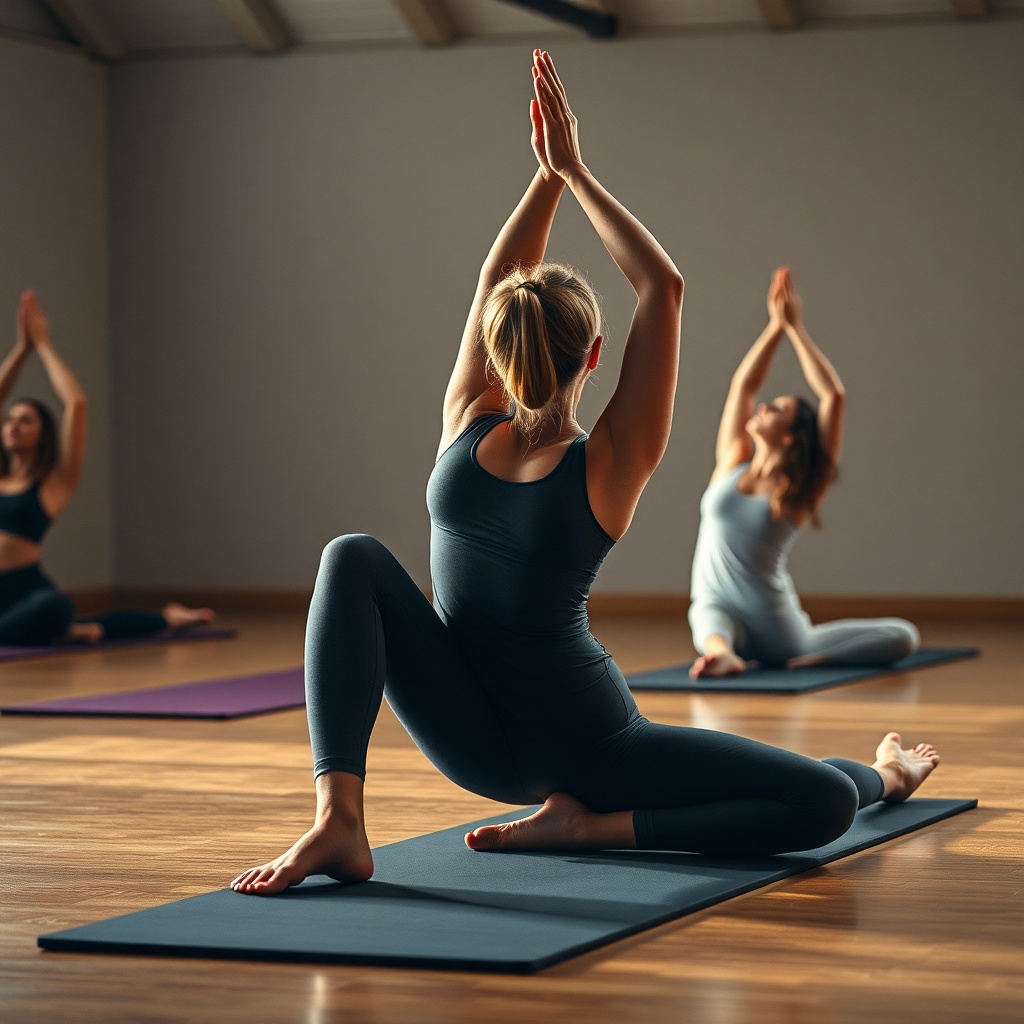
– Mind–body connection: Breath coordination and focused movement reduce stress, enhance proprioception, and improve movement quality.
Mat Pilates vs. Reformer Pilates
Mat Pilates uses bodyweight and small props—resistance bands, magic circles, foam rollers—to create resistance and stability challenges. It’s accessible and easy to practice at home.
Reformer Pilates uses a spring-based carriage and straps to add variable resistance, allowing precise load adjustments and a wide movement vocabulary. Both approaches build strength and control; choice depends on goals, budget, and access to equipment.
Who benefits most
– Desk workers: Exercises that open the chest, strengthen scapular stabilizers, and mobilize the thoracic spine combat rounded shoulders and forward head posture.
– Athletes: Pilates improves movement efficiency, balance, and hip stability—valuable cross-training for runners, cyclists, and court sports.
– Older adults: Emphasis on balance, fall prevention, and joint-friendly strengthening supports longevity and independence.
– People recovering from injury or postpartum: With proper supervision, Pilates can safely rebuild core function and restore movement patterns.
Simple at-home mini routine (no equipment)
– Pelvic tilt with diaphragmatic breath: 8–10 slow repetitions to wake up the core and coordinate breath.
– Heel slides: 10 repetitions each side for hip control and low-back stability.
– Bird-dog (modified): 8–10 slow reaches per side, focusing on neutral spine and opposite arm/leg control.
– Single-leg bridge: 8–10 each side to strengthen glutes and posterior chain.
Perform 1–3 rounds depending on fitness level; quality over quantity.
Safety and progress
Start with a certified Pilates instructor or a clinician familiar with Pilates-based rehabilitation if there are existing injuries, pelvic floor concerns, or pregnancy/postpartum considerations.
Progress by increasing range of motion, adding resistance, or advancing to more complex sequences while maintaining technique and breath.
Avoid rushing into flashy moves that compromise alignment.
How to choose a class or instructor
Look for instructors with recognized Pilates certification and continuing education in anatomy or rehabilitation. Trial classes and clear communication about goals and limitations help match the right format—mat, reformer, or hybrid group sessions.
Pilates blends efficiency and depth: it builds a resilient body with movement intelligence rather than brute force. Whether used as a primary practice or a complement to strength training, Pilates teaches the body to move stronger, straighter, and with less pain—making it a practical, long-lasting investment in movement quality.