A practical workout routine balances consistency, progressive overload, recovery, and variety. Whether you want to build strength, improve endurance, or stay active with limited time, a smart plan focuses on a few core principles and adapts to your schedule and equipment.
Core principles
– Progressive overload: Gradually increase weight, reps, sets, or training density so your body adapts.
Small, steady increases beat sporadic big jumps.
– Consistency over intensity spikes: Regular, moderate sessions deliver better long-term results than occasional extreme workouts.
– Movement quality and mobility: Good form reduces injury risk and improves results. Add mobility drills and dynamic warm-ups to protect joints and improve performance.
– Recovery: Sleep, nutrition, hydration, and active recovery determine how well you adapt to training. Rest days are training days for repair and growth.
Types of effective routines
– Full-body workouts: Ideal for beginners and busy people. Train major muscle groups each session, 2–4 times per week. Efficient and great for building a base.
– Upper/lower split: Four workouts per week alternating upper- and lower-body sessions. Offers more volume per muscle group while still permitting recovery.
– Push/pull/legs: Three to six sessions weekly, good for intermediate lifters who want more targeted volume.
– HIIT and metabolic conditioning: Short, intense intervals boost conditioning and burn calories in less time. Pair with strength training a couple times per week.
– Low-intensity steady-state (LISS) cardio: Brisk walking, cycling, or rowing supports recovery and cardiovascular health without high stress.
Sample plans for different schedules
– Busy 3-day plan (full-body): Day 1: Squat or goblet squat, push-up/bench press, bent-over row, plank. Day 2: Rest or active recovery. Day 3: Deadlift or Romanian deadlift, overhead press, pull-up/lat pulldown, farmer carry. Day 4: Rest. Day 5: Front squat or lunge, incline push-up, single-arm row, glute bridge.
Keep sets around 3 and reps 6–12 depending on goals.
– 4-day upper/lower: Day 1: Upper (bench press, row, shoulder press, lateral raise). Day 2: Lower (squat, lunges, hamstring curl, calf raises). Day 3: Rest.
Day 4: Upper (pull-focused: pull-ups, dumbbell press, face pulls).
Day 5: Lower (deadlift variation, split squat, hip thrust). Add core work twice weekly.
Warm-up and mobility
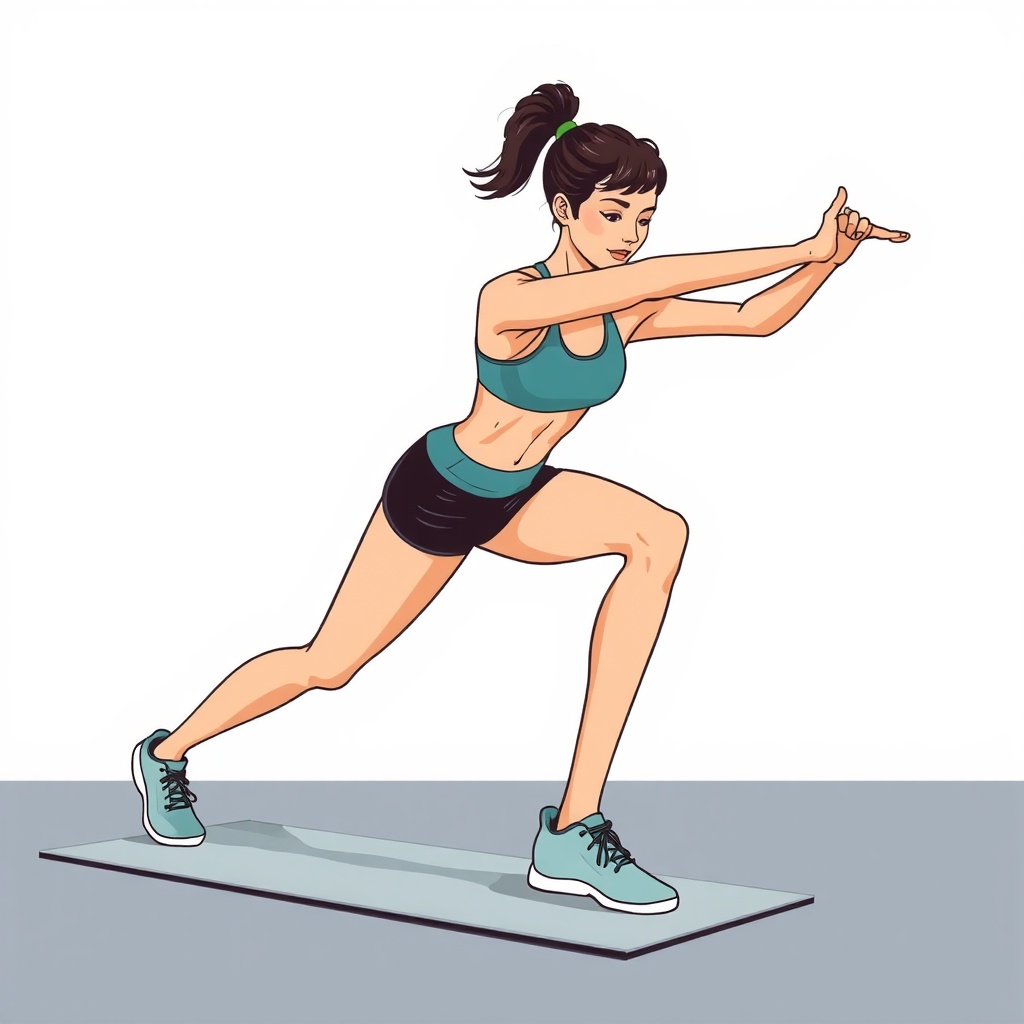
Start with 5–10 minutes of light cardio and dynamic drills that mimic the workout: leg swings, hip circles, band pull-aparts, shoulder dislocations. Finish with targeted mobility or soft-tissue work for any tight areas.
Progress tracking and adaptation
Keep a simple training log: exercise, sets, reps, and how you felt. Every few weeks, review progress and adjust one variable at a time—more weight, more reps, or shorter rest. If progress stalls, reduce volume briefly, improve recovery, or change exercise selection.
Nutrition and recovery basics
Match protein intake to training goals, prioritize whole foods, and time meals around workouts for performance and recovery. Hydrate consistently. Use sleep and low-intensity movement on off days to accelerate recovery.
Common mistakes to avoid
– Doing too much too soon. Build volume gradually.
– Ignoring movement quality for heavier loads.
– Skipping warm-ups and mobility work.
– Overlooking recovery—rest is where gains happen.
Pick a structure that fits your life, start with manageable sessions, and prioritize small wins. With a consistent framework and simple tracking, workout routines become sustainable and deliver steady results.