Smart Cycling: Practical Tips for Safer, Faster, More Enjoyable Rides
Cycling continues to be one of the most efficient, healthy, and fun ways to get around or train. Whether you’re commuting, gravel-riding, or tackling longer road sessions, a few practical habits and simple maintenance routines will make every ride smoother and safer.
Pre-ride checks that save trouble
A quick pre-ride inspection prevents most roadside problems. Put 60 seconds into the ABCs:
– Air: Check tire pressure.
Use the pressure range printed on the tire sidewall and adjust for load and road conditions — lower for rough gravel, higher for smooth pavement.
– Brakes: Squeeze the levers to confirm firm engagement and that pads don’t rub the rims or rotors.
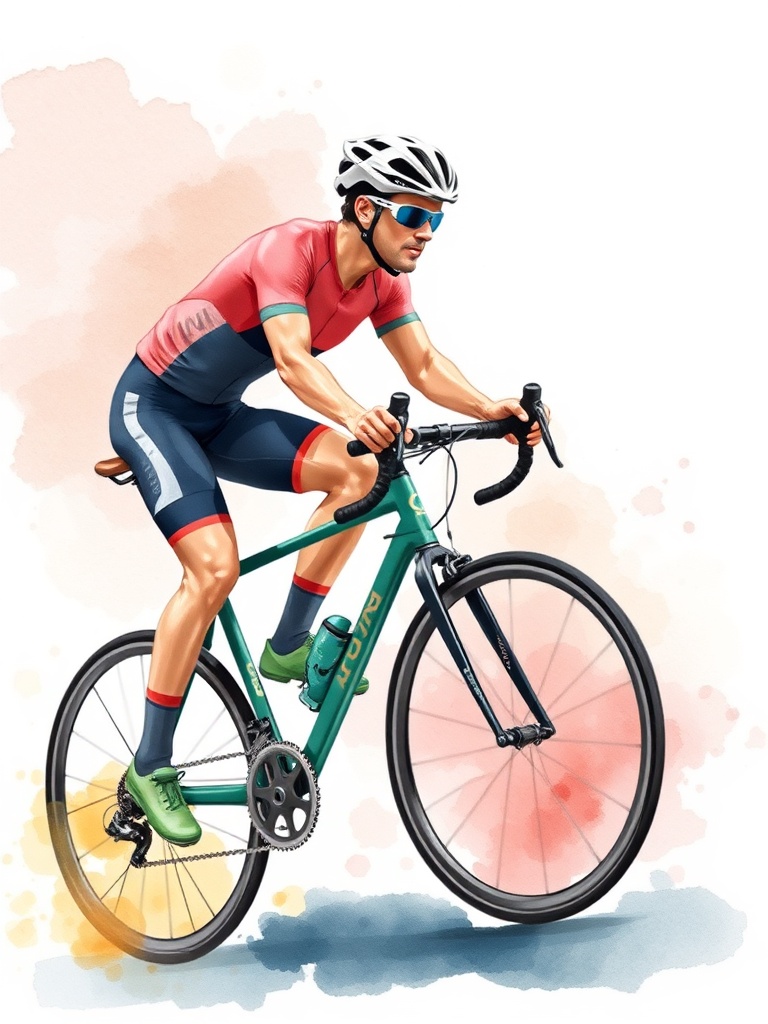
– Chain: Look for excessive dirt or stiff links; a dry or noisy chain needs cleaning and lube.
– Quick releases/axles: Ensure wheels are secure and centered.
Lightweight maintenance routine
You don’t need a full workshop for reliable upkeep.
Focus on these recurring tasks:
– After wet or muddy rides, wipe the drivetrain and re-lubricate the chain.
A clean drivetrain shifts better and lasts longer.
– Inspect tires for cuts and embedded debris; replace or plug tubeless punctures promptly.
– Every few weeks, check headset and bottom bracket for play and tighten bolts to manufacturer torque specs when needed.
– Replace brake pads at the first sign of significant wear for consistent stopping power.
Smart gear choices for comfort and performance
Choosing the right gear depends on where and how you ride:
– Tires: Wider tires at lower pressures improve comfort and traction; tubeless setups reduce flats and allow lower pressures with fewer pinch flats.
– Pedals: Clipless pedals boost pedaling efficiency, but platform pedals are fine for city riding — choose what suits your confidence and footwear.
– Saddle and fit: A proper bike fit changes everything. Minor saddle adjustments and handlebar height tweaks can relieve discomfort and prevent overuse injuries.
Train smarter, not just harder
Improvement comes from consistency and variety:
– Mix endurance rides with shorter intervals and tempo efforts to build both aerobic capacity and speed.
– Focus on cadence: maintaining a smooth cadence around 80–100 rpm on most spins reduces muscular fatigue and improves efficiency.
– Include recovery rides and strength training to reduce injury risk and improve power.
E-bike etiquette and safety
E-bikes expand access to cycling but bring new considerations:
– Respect speed limits and trail rules; many multi-use paths have speed expectations for e-bike riders.
– Use regenerative assistance wisely; keep behavior predictable around pedestrians and other cyclists.
– Ensure your battery is properly secured and charged before longer outings; carry a basic tool kit and a portable charger or spare battery if you expect long distances.
Stay visible and prepared
Visibility and preparedness are simple ways to prevent incidents:
– Use lights front and rear for dawn, dusk, and low-light conditions. Reflective clothing and side-lighting increase side visibility.
– Carry ID, a phone, basic tools, spare tube or repair kit, and a small pump or CO2 inflator.
– Learn basic roadside repairs like fixing a flat, adjusting a derailleur, and reseating a chain.
Cycling is one of those activities that rewards attention to detail.
Small investments of time in pre-ride checks, consistent maintenance, and thoughtful training will deliver safer, faster, and more enjoyable rides, whether you’re rolling through the city, exploring gravel tracks, or chasing personal bests.