Pilates: Why it works and how to get the most from your practice
Pilates is a low-impact movement system that emphasizes core stability, breath control, and precise alignment.
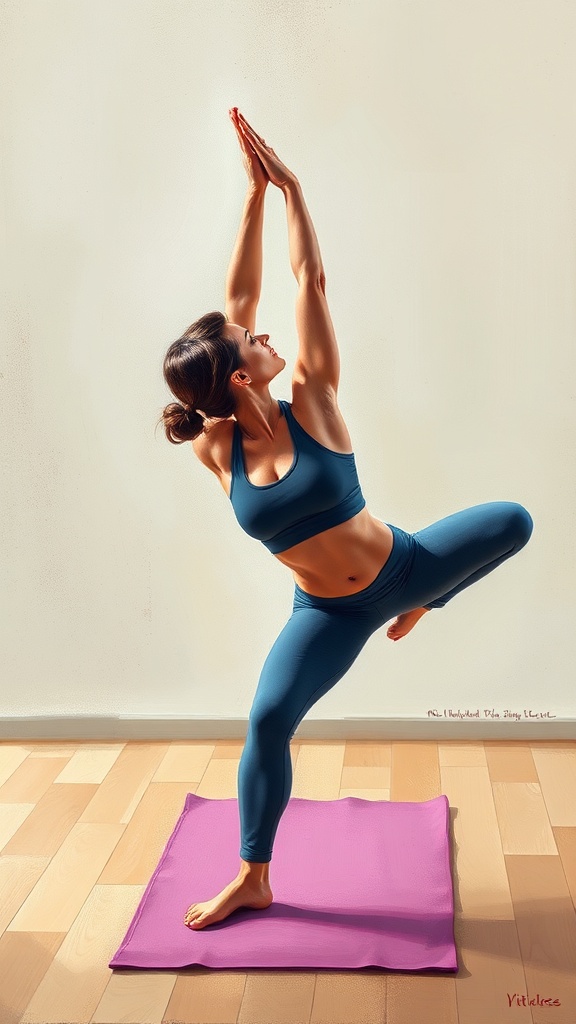
Whether you’re new to mindful movement or looking to deepen an existing practice, Pilates offers practical benefits for posture, joint mobility, and muscular balance — all without heavy loading or high-impact stress.
Core principles to focus on
– Breath: Use lateral thoracic breathing — expand the ribcage laterally on the inhale and draw the navel toward the spine on the exhale. This supports ribcage mobility and helps stabilize the torso.
– Neutral spine and pelvic alignment: Learn how to find and maintain neutral pelvis; use the imprint position (gentle flattening of the lower back) for beginners or when doing spinal articulation work.
– Precision and control: Small, controlled movements beat big, sloppy ones. Quality of movement trains muscle recruitment patterns more effectively than chasing repetition.
– Flow and concentration: Move with intent and coordinate breath with motion to build mindful strength.
Types of Pilates and common equipment
– Mat Pilates: Accessible and effective, using bodyweight and small props like a magic circle, small ball, or resistance band.
– Reformer Pilates: Uses a spring-loaded carriage to add variable resistance and assistance for mobility and strength.
– Specialty apparatus: Cadillac, chair, and barrel variations add targeted options for flexibility, stability, and rehabilitation.
Beginner-friendly exercises
– Pelvic curl: Articulates the spine and activates posterior chain muscles.
Cue: inhale to prepare, exhale to peel the spine off the mat one vertebra at a time, inhale at the top, exhale to roll back down.
– Chest lift: Builds deep abdominals. Cue: nod the chin, curl the chest toward the knees while keeping the lower ribs anchored.
– Single-leg circle: Mobilizes the hip and trains core control as the leg circles while the pelvis remains stable.
Common mistakes and how to fix them
– Holding the breath: Coordinate breath with movement to avoid unnecessary tension.
– Overusing hip flexors: Cue deeper abdominal engagement and neutral pelvis to reduce compensatory hip flexor activity.
– Collapsing the shoulders: Keep scapulae long and draw them slightly down the back; imagine melting the armpits toward the spine.
– Rushing repetitions: Slow, precise work develops endurance and control more effectively than fast reps.
Practical programming tips
– Frequency: Short, consistent sessions performed a few times per week are more beneficial than infrequent long workouts.
– Progression: Master basic breath and alignment before adding more complex exercises or heavier resistance.
– Cross-training: Pilates complements cardio and strength training by improving mobility, stabilizing joints, and reducing postural imbalances.
– Rehabilitation: Pilates is often used in rehab settings, but always consult a healthcare professional when working through injury or pregnancy to get appropriate modifications.
Finding the right instructor
Look for a qualified teacher who emphasizes safety, alignment, and individualized progressions. Ask about their training approach and experience with clients who share your goals (back pain, athletic performance, prenatal/postnatal needs).
Final tip
Start with a foundational class or a guided beginner program that focuses on breath, neutral alignment, and controlled movement. Consistency and attention to technique will produce steady improvements in strength, posture, and movement quality.