Morning micro-yoga: a simple 10-minute routine to boost energy and reduce stress
For people with busy schedules, a short, focused yoga routine can deliver big benefits: increased mobility, calmer nerves, and clearer focus. This quick sequence is designed for all levels, requires minimal space, and emphasizes breath-driven movement so you can feel more grounded before work or after waking.
Why a 10-minute routine works
– Consistency beats duration. Short practices are easier to maintain and still build strength, flexibility, and mental clarity.
– Breath-first movement calms the nervous system and increases oxygenation to the brain, improving concentration for the day ahead.
– Gentle mobility work reduces stiffness from sleeping or prolonged sitting and lowers injury risk.
Quick 10-minute sequence (no props needed)
1. Seated breath and neck release — 1 minute
– Sit cross-legged or on the edge of a chair.
Close your eyes and inhale deeply through the nose, exhaling slowly. Add gentle neck rolls: drop right ear to shoulder, roll chin toward chest, then left ear to shoulder. Move with the breath.
2. Cat-Cow (Marjaryasana–Bitilasana) — 1 minute
– Come to hands and knees.
On inhale, lift chest and tailbone (cow).
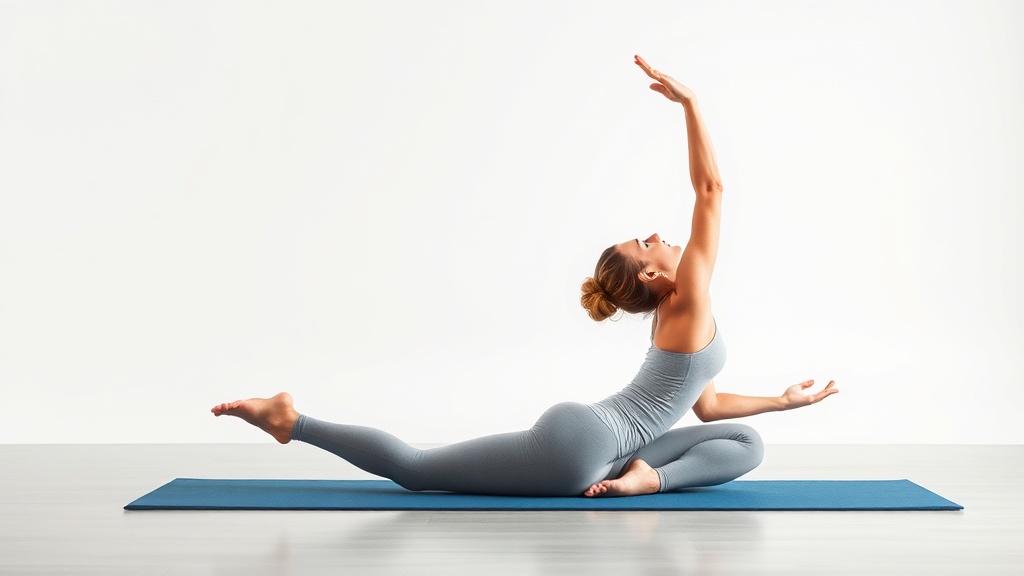
On exhale, round the spine and draw navel to spine (cat). Flow slowly for several cycles, syncing movement to breath.
3. Downward-Facing Dog (Adho Mukha Svanasana) — 1 minute
– Tuck toes and lift hips back and up.
Pedal the feet to loosen calves.
Keep a soft bend in the knees if hamstrings feel tight; focus on lengthening the spine.
4. Low Lunge with twist — 1.5 minutes (45 seconds each side)
– Step right foot between hands from Downward Dog, lower the left knee. Sink hips forward. Place left hand down and inhale, lift right arm; exhale to twist right, bringing right hand to the outer thigh. Breathe here, then switch sides.
5.
Forward fold to half lift (Uttanasana to Ardha Uttanasana) — 1 minute
– Stand or step forward. Hinge from hips into a forward fold, then half lift with a flat back on inhale. Repeat two or three times to mobilize the spine and hamstrings.
6. Chair pose (Utkatasana) to standing spinal stretch — 1 minute
– Bend knees as if sitting, reach arms up while inhaling, hold for a breath or two. On exhale, fold forward and then roll up slowly to stand, lengthening the spine.
7. Tree pose (Vrksasana) or balance alternative — 1 minute (30 seconds each side)
– Find balance on one foot, place the sole on inner calf or thigh (avoid the knee), hands at heart or overhead. Focus on a steady spot to improve concentration and proprioception.
8. Final breath and intention — 1.5 minutes
– Sit comfortably, close the eyes, and take five deep, slow breaths. Set one simple intention for your day—something specific and achievable.
Modifications and safety tips
– Use a chair or wall for balance when needed.
– Shorten holds or skip any pose that causes pain; mild discomfort from stretching is normal, sharp pain is not.
– If you have high blood pressure, avoid prolonged inversions and consult a healthcare provider before starting a new practice.
Make it routine
Try this sequence most mornings or anytime you need a focused reset. Over time it improves posture, reduces morning stiffness, and creates a habit of mindful breathing that supports stress resilience. Small, consistent steps deliver the most lasting results—start with ten minutes and stay curious about how your body responds.