Micro-practices: How short, focused yoga routines transform daily stress and energy
Busy schedules and constant screen time make it harder to maintain a consistent yoga habit.
The good news: short, intentional yoga sessions combined with breathwork and mobility drills can deliver measurable benefits for stress, focus, posture, and energy—without needing a long class or special equipment.
Why micro-practices work
– Consistency beats duration: Short daily sessions create a reliable habit loop. Five to fifteen minutes repeated often builds strength, flexibility, and stress resilience faster than sporadic long classes.
– Nervous system regulation: Paired breathwork calms the sympathetic nervous system and activates the parasympathetic response, lowering heart rate and reducing perceived stress.
– Cumulative gains: Small mobility and strength improvements stack over time, improving posture, reducing pain, and enhancing movement quality for other activities.
Simple micro-practice structure
Each mini-session uses three elements: breath, joint mobility, and an accessible strengthening/stretching sequence. Aim for morning, midday, or evening—whatever fits your routine.
1. Center with breath (1–2 minutes)
– Practice slow, diaphragmatic breaths at a comfortable pace.
Try equal count inhales and exhales or a 4:6 pattern (shorter inhale, slightly longer exhale) to promote calm.
– Option: Box breathing (equal counts for inhale, hold, exhale, hold) for quick focus before a meeting or presentation.
2. Joint mobility warm-up (1–2 minutes)
– Neck circles (gentle, 5–6 each direction)
– Shoulder rolls (10 forward, 10 back)
– Cat–Cow on all fours (8–10 rounds) for spinal mobility
3. Core sequence (3–8 minutes)
Try this five-pose micro-flow—hold 30–60 seconds per pose or cycle twice:
– Downward Dog to High Plank: Start with Down Dog to lengthen hamstrings, flow to High Plank to engage the core and shoulders.
– Low Lunge (each side): Open hips and quads, reaching arms overhead for thoracic mobility.
– Bird-Dog (each side): From all fours, extend opposite arm and leg to train balance and lumbar stability.
– Bridge Pose or Glute Bridge: Activate posterior chain and counter sitting-related tightness.
– Reclined Twist or Supine Spinal Twist: Release the spine and finish with a calming breath.
Adaptations for workplace or small spaces
– Chair Cat–Cow: Sit tall, place hands on knees, round and arch the back to mobilize the spine.
– Seated spinal twist: Rotate gently from the torso to relieve tension between meetings.
– Standing quad stretch and calf raises: Improve circulation and counteract prolonged sitting.
Safety and progression
– Prioritize form. Even short practices can cause strain if alignment is neglected.
– Use props if needed: blocks, a chair, a rolled towel for neck support.
– Increase intensity by adding repetitions, longer holds, or more advanced variations as strength and mobility improve.
– If you have medical concerns or recent injuries, consult a healthcare provider or qualified yoga teacher for tailored guidance.
Why breathwork matters
Integrating 60–120 seconds of focused breathwork before movement primes the nervous system for more effective practice. Breath awareness improves interoception (body awareness), enhances stress management, and supports better movement patterns during the micro-practice.
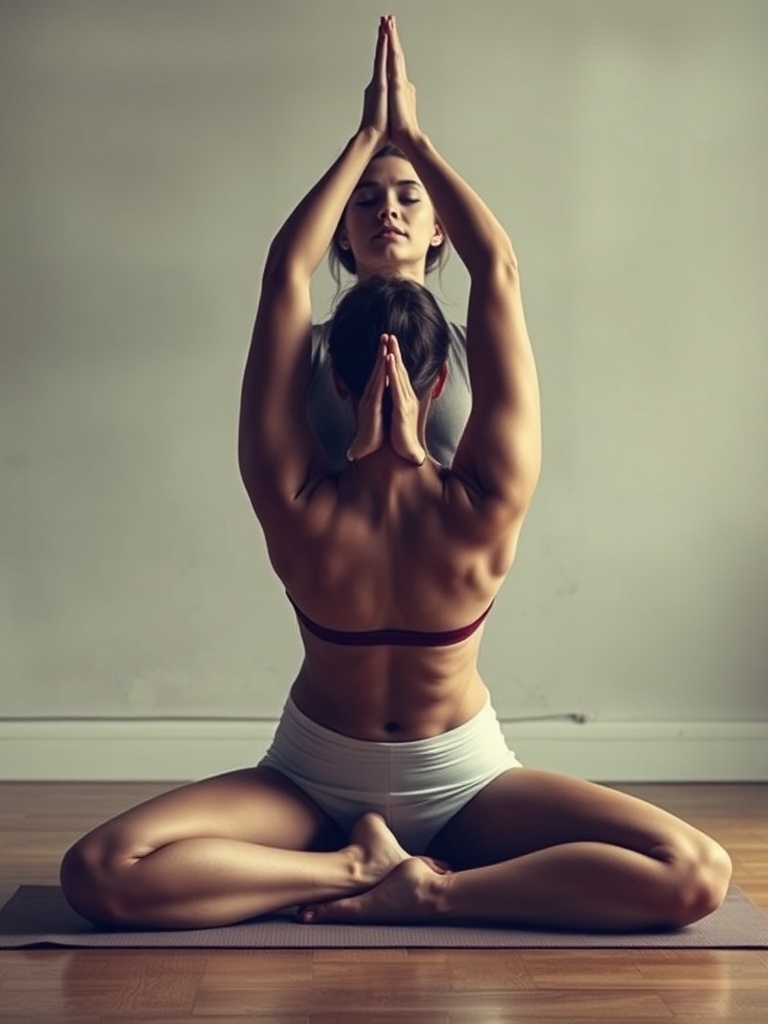
Making the habit stick
– Anchor micro-practices to existing rituals (after brushing teeth, before lunch, or upon waking).
– Use reminders or short guided sessions to reinforce consistency.
– Track small wins—more energy, less neck pain, better focus—to stay motivated.
Short sessions won’t replace longer classes for deep skill development, but they make yoga accessible and impactful for everyday life.
Start with two to three micro-practices per day and watch how small, consistent movement and mindful breathing transform stress and energy across your day.
