Maximize Results with a Time‑Efficient HIIT + Strength Routine
Busy schedules don’t have to derail fitness goals. Blending high-intensity interval training (HIIT) with focused strength work delivers both cardiovascular benefits and muscle-building stimulus in less time than separate sessions. This approach boosts calorie burn, preserves lean mass, and improves functional fitness—ideal for people juggling work, family, and limited gym time.
Why combine HIIT and strength?
– Dual adaptation: HIIT improves aerobic and anaerobic capacity, while strength training increases muscle size, strength, and metabolic rate. Together they create balanced fitness.
– Time efficiency: Short, intense intervals paired with compound strength moves give a full-body stimulus in 20–40 minutes.
– Improved fat loss with muscle retention: Cardio-only programs can cost muscle; adding resistance preserves or grows lean tissue while accelerating fat loss.
– Better real-world performance: Combining power, strength, and conditioning transfers to daily activities and sports.
Design principles for an effective session
– Prioritize compound movements: Squats, deadlifts, lunges, push presses, and rows recruit multiple muscle groups and maximize efficiency.
– Use interval structure: Alternate work periods (20–45 seconds) with rest or low-intensity recovery (15–60 seconds). Adjust durations based on fitness level.
– Keep intensity high but sustainable: Effort should be challenging—about 7–9 out of 10—during work intervals, with controlled recovery for quality movement.
– Focus on progressive overload: Track load, reps, or interval difficulty and increase gradually to keep improving.
Sample 30-minute workout (warm-up included)
– 5-minute dynamic warm-up: arm circles, leg swings, hip bridges, bodyweight squats
– Circuit (repeat 3 rounds):
– 30 seconds kettlebell swings or dumbbell deadlifts
– 20 seconds rest
– 30 seconds alternating reverse lunges (bodyweight or holding light weights)
– 20 seconds rest
– 30 seconds push-ups or incline push-ups
– 30 seconds rest between rounds
– 3-minute core finisher: plank holds with alternating shoulder taps
– 3–5 minute cooldown: deep breathing and mobility for hips and shoulders
Programming tips
– Frequency: Aim for 2–3 combined sessions per week, supplemented with 1–2 steady-state cardio or mobility days if desired.
– Split focus: If doing more than three resistance sessions weekly, alternate pure strength days (lower rep, heavier loads) with HIIT+strength hybrid days to avoid overreaching.
– Recovery: Prioritize sleep, hydration, and targeted mobility. Include at least one active recovery day weekly (walking, yoga, or light cycling).
– Adapt for equipment: Use bodyweight, dumbbells, kettlebells, resistance bands, or machines—progress can be achieved without a full gym.
Nutrition and recovery for better results
– Fuel workouts with a balance of carbohydrates and protein; a small pre-workout snack can enhance performance for morning sessions.
– Protein distribution across meals supports muscle repair—aim for a serving of quality protein with each meal.
– Track recovery markers: persistent soreness, elevated resting heart rate, or declining performance are signs to dial back intensity.
Safety and sustainability
– Prioritize technique over speed or load. Performing compound lifts with poor form increases injury risk, especially when fatigued.
– Modify movements for limitations: reduce range of motion, lower tempo, or substitute joint-friendly alternatives when needed.
– Consult a healthcare professional before starting an intense program if there are existing medical concerns.
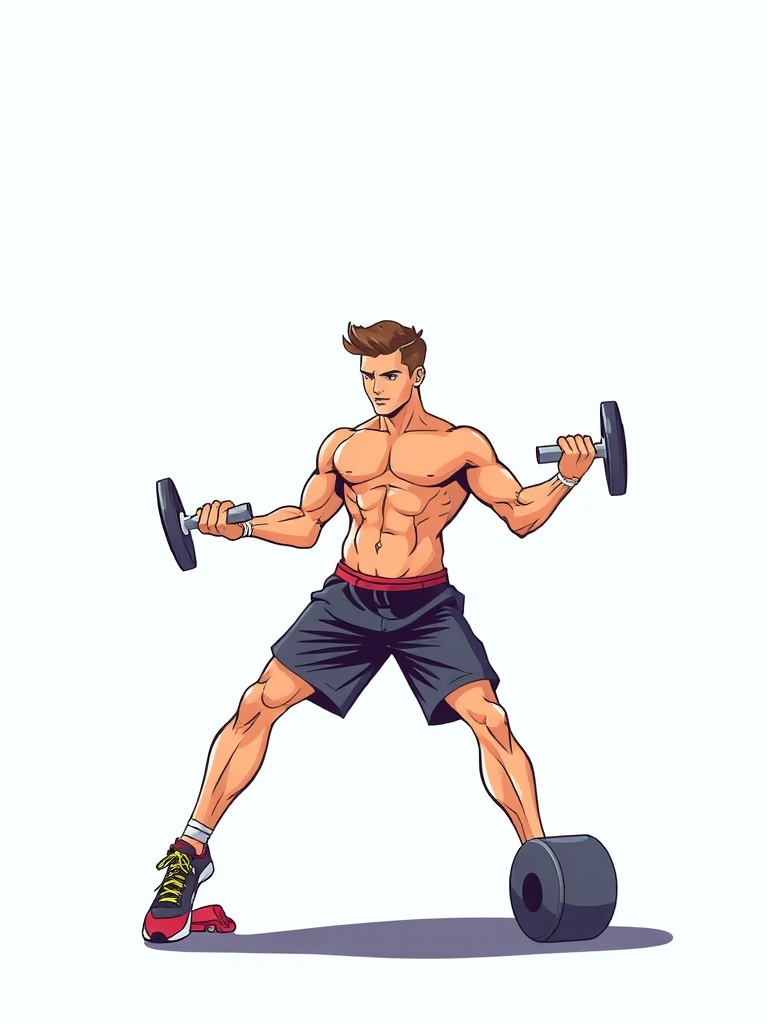
Consistent, focused sessions that mix HIIT and strength deliver powerful results without hours in the gym. With sensible progression, attention to recovery, and simple programming, this hybrid approach is an efficient path to improved fitness, strength, and conditioning.