Mastering the Big Three: Practical Weightlifting Tips for Smarter Strength Gains
Weightlifting delivers efficient strength, muscle, and confidence when it’s done with intent. Whether you’re focused on the squat, bench press, and deadlift or incorporating Olympic lifts and accessory work, prioritizing technique, programming, and recovery will accelerate gains and reduce injury risk.
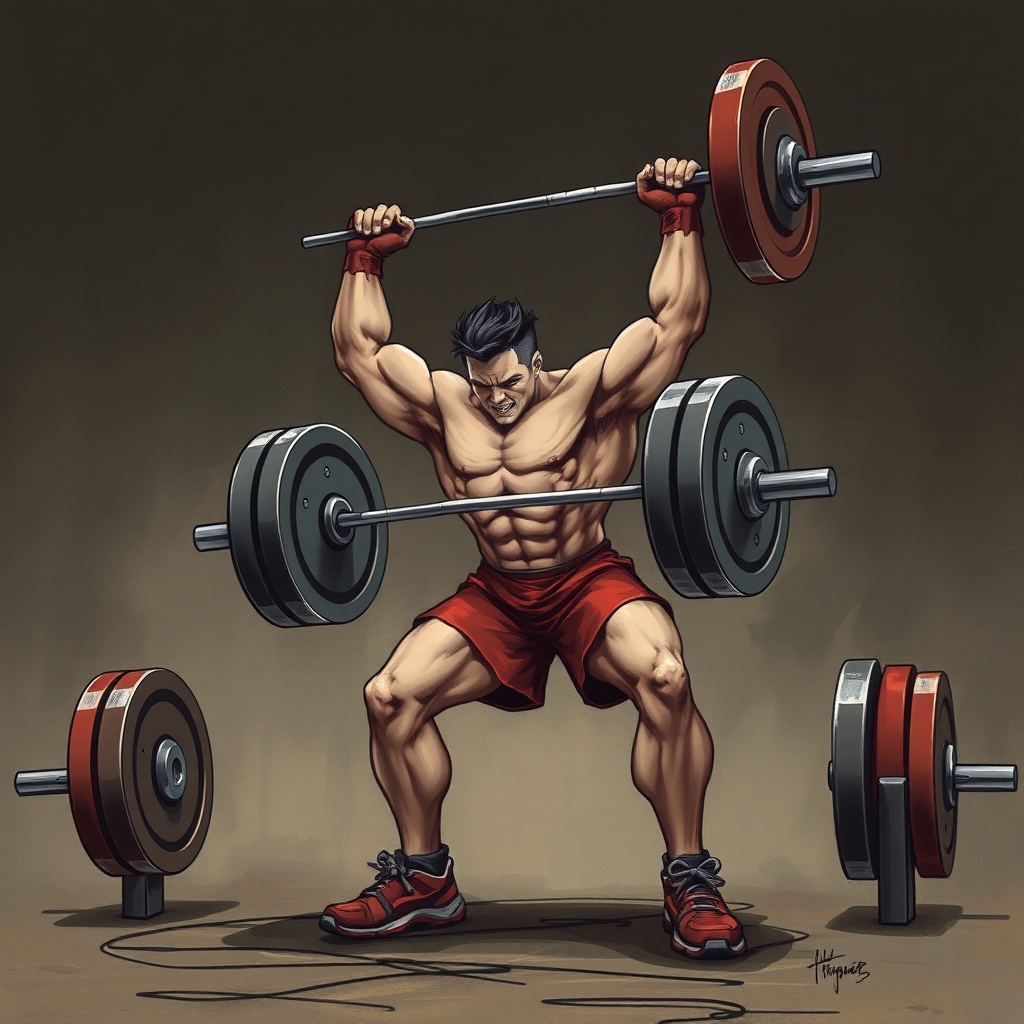
Technique first
Solid technique builds a foundation that carries heavier loads safely. Focus on:
– Bracing and breathing: Take a diaphragmatic breath and brace the core before the lift to protect the spine and transfer force efficiently.
– Bar path: Keep a consistent bar path—vertical on pressing and hooked trajectories on the clean/snatch—to improve leverage and power.
– Joint alignment: Track knees over toes during squats, keep a neutral spine during deadlifts, and tuck elbows slightly on bench press for shoulder safety.
Use lighter warm-up sets to groove movement patterns before adding heavy weights. Slow, controlled eccentrics on accessory movements improve control and stability.
Smart programming
Progressive overload remains the most reliable way to get stronger. Useful programming principles:
– Volume and intensity balance: Accumulate weekly volume (sets × reps × load) for long-term progress and cycle intensity through planned heavy and lighter weeks.
– Rep ranges for goals: Lower rep ranges (1–5) build maximal strength, moderate ranges (6–12) support hypertrophy, and higher reps boost muscular endurance.
– Frequency: Train each major lift 2–3 times per week if possible—distributed practice solidifies technique and spreads volume.
– Deloads and planned recovery: Periodic lighter weeks prevent burnout and help consolidate gains.
Use objective and subjective feedback
Track performance with both numbers and perception. Record loads, sets, and RPE (rate of perceived exertion) to manage fatigue. When strength stalls, adjust volume, reduce intensity briefly, or switch accessory movements to address weak links.
Accessory work and mobility
Target muscles and movement patterns that support the lifts:
– For squats: hamstring, glute, and ankle mobility, plus single-leg strength (lunges, Bulgarian split squats).
– For deadlifts: posterior chain strengthening (Romanian deadlifts, hip thrusts) and upper-back pulling.
– For bench press: scapular stability, rotator cuff work, and triceps strengthening.
Daily mobility routines for hips, thoracic spine, and shoulders enhance range of motion and technique consistency. Mobility paired with heavy lifting keeps joints healthy and improves bar mechanics.
Recovery and nutrition
Strength gains happen between sessions. Prioritize:
– Sleep and stress management: Quality sleep supports hormone regulation and performance.
– Protein intake: Aim for steady protein across meals to support muscle repair and growth.
– Carbohydrates for performance: Fuel heavy sessions with adequate carbs for intensity and glycogen replenishment.
– Hydration and electrolytes: Maintain focus and muscle function during demanding training.
Injury prevention and longevity
Listen to pain signals versus soreness. Persistent joint pain warrants technique review, reduced load, or a consult with a qualified coach or physical therapist. Emphasize gradual load progression, mobility, and balanced accessory work to keep training consistent over the long term.
Practical checklist for your next cycle
– Review technique with video or a coach
– Plan weekly volume and target rep ranges
– Track RPE and adjust loads accordingly
– Include specific accessory lifts twice weekly
– Schedule a lighter week every 4–8 weeks for recovery
Consistent, well-planned weightlifting builds strength and resilience while minimizing setbacks. Prioritize form, program smartly, and treat recovery as part of the training plan to keep making steady progress.