Choosing the right fitness gear can transform short, unfocused workouts into consistent progress. Whether you’re building a compact home gym or upgrading your running kit, smart selections focus on versatility, durability, and comfort. Here’s a practical guide to the most useful gear and how to pick items that actually support your goals.
Core pieces for a compact home gym
– Adjustable dumbbells: Replace multiple weight sets with a single pair that adjusts quickly. Look for smooth, secure adjustment mechanisms and a comfortable grip.
Check max weight and incremental changes to match progressive overload needs.
– Kettlebells and a set of resistance bands: Kettlebells are fantastic for dynamic strength and conditioning, while resistance bands add variable tension for warm-ups, mobility work, and accessory exercises. Bands are travel-friendly and cost-effective.
– Pull-up bar or suspension trainer: Both enable bodyweight pulling, core, and pushing variations. A doorway pull-up bar is space-efficient; a suspension trainer adds hundreds of movement options with minimal footprint.
– Stable bench or foldable utility bench: A sturdy bench expands pressing, rowing, and step-up options.
Folding designs save space without sacrificing stability if chosen carefully.
Wearable fitness and tracking
Wearables are most useful when they match your training style. For steady-state runners and cyclists, GPS watches with accurate distance and pacing metrics matter. For gym-based, HIIT, or mixed routines, devices with reliable heart-rate tracking, workout recognition, and strong battery life perform best. Chest straps still outperform wrist-based monitors for heart-rate accuracy during intense efforts.
Prioritize compatibility with apps you already use so data flows into one place.
Footwear and apparel
Shoes should reflect activity: neutral running shoes for pavement miles, trail shoes for off-road, and low-drop cross-trainers for weightlifting and varied gym sessions. Try on shoes later in the day when feet are slightly swollen to ensure fit. For apparel, moisture-wicking fabrics and flat seams reduce chafing; compression pieces can aid recovery for some users. Opt for breathable materials and a reliable return policy when buying online.
Recovery and longevity tools
Recovery tools increasingly deserve cabinet space.
A dense foam roller, a compact percussive massager, and a set of lacrosse balls cover most self-myofascial needs. Invest in a quality sleep environment and hydration, which are just as important for recovery as gadgets. For equipment longevity, wipe down sweat-prone surfaces, store bands out of direct sunlight, and run periodic maintenance on moving parts like adjustable dumbbells and treadmill belts.
Sustainability and smart buying
Sustainable gear choices are more available: recycled fabrics, long-lasting steel or cast-iron weights, and companies that offer repair or parts. Prioritize pieces that serve multiple purposes—an adjustable bench that inclines, a barbell set that can be used for presses and squats, or bands that double as mobility supports—to reduce clutter and cost over time.
Shopping tips
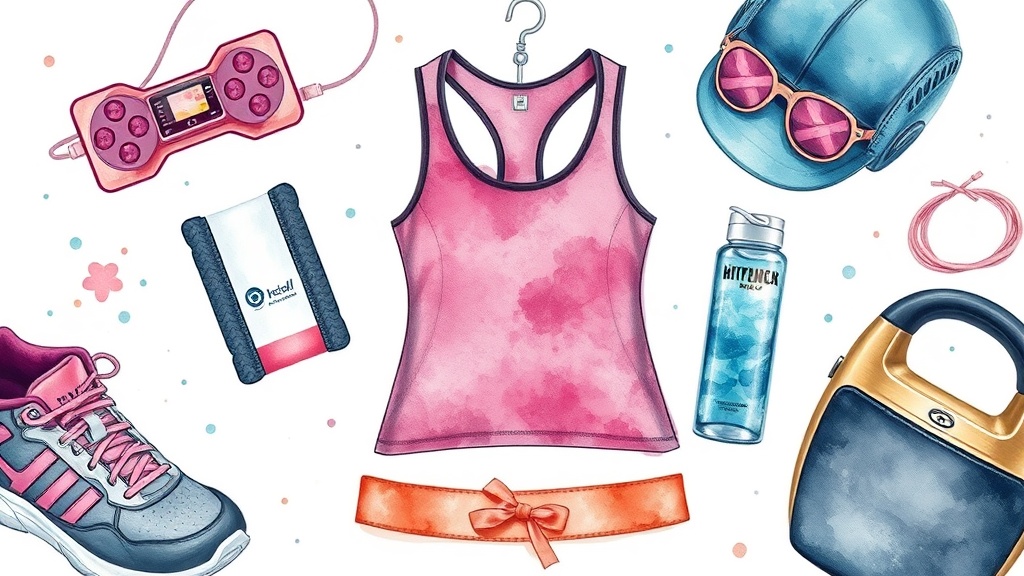
– Buy based on goals, not trends. A runner doesn’t need a full barbell set; a lifter needs a solid barbell more than a smartwatch.
– Read user reviews focused on durability and customer service.
– Measure your space before buying bulky equipment and check shipping/assembly requirements.
– Test wearable devices in-store or check return windows to compare real-world comfort and accuracy.
A thoughtful kit should make training simpler, not more complicated. Start with a few versatile, high-quality pieces that match your routine, and add specialized items as your needs evolve. Prioritize function, fit, and durability to get the most from every workout.