Gravel cycling has become one of the most accessible and rewarding ways to explore roads less traveled. Blending the speed of road bikes with the resilience of a mountain bike, gravel riding opens up mixed surfaces, scenic backroads, and a freer pace. Whether you’re new to the discipline or looking to refine your setup, practical tips and smart choices will improve comfort, speed, and enjoyment.
Choose the right bike and tires
– Frame and geometry: Gravel frames tend toward a more relaxed geometry than road bikes, with slightly longer wheelbase and more stable handling. Look for clearance that accommodates wider tires, and consider frame material based on budget and comfort (aluminum for value, carbon for weight and vibration damping, steel or titanium for a smooth ride and durability).
– Tires: Tire choice is the single biggest handling factor. Wider tires (35–45 mm) offer better traction and comfort on mixed surfaces. Tread pattern depends on terrain—slick center tread with side knobs suits hardpack, while more aggressive knobs help in loose gravel or mud.
– Tire pressure: Run lower pressures than road riding to increase traction and comfort. Exact pressure varies with tire width, rider weight, and conditions; start conservatively and adjust. Tubeless setups allow lower pressures with reduced pinch-flat risk.
Essential gear and packing
– Basic kit: A multi-tool, spare tube or tubeless repair kit, mini-pump or CO2 inflator, chain quick-link, and a small first-aid item are must-haves. Lightweight gear keeps pockets empty and confidence high.
– Hydration and snacks: Use frame bags or a handlebar bag for long rides. Carry more water than you think you need on remote roads, and include calorie-dense snacks to avoid bonking.
– Clothing: Layering works best—pack a lightweight wind or rain jacket, gloves for varied conditions, and cycling-specific shorts or bibs for comfort. Shoes with good pedal engagement and walkability help if you encounter muddy pushes.
Technique and pacing
– Cornering: Stay relaxed, look ahead, and shift body weight slightly rearward on loose surfaces. Feathering brakes before corners rather than hard braking in them preserves traction.
– Climbing and descending: On climbs, maintain a steady cadence and find a gear that keeps momentum without bouncing. On descents, choose lines that avoid loose patches and allow progressive braking.
– Group riding: Communicate hazards and keep gaps manageable.
Gravel group dynamics can be more spread out—expect mixed pacing and be prepared for varied skill levels.
Route planning and safety
– Research surfaces and remoteness: Mapping apps and local gravel groups provide route intel on surface quality, water stops, and bail options.
Choose routes that match your fitness and skill.
– Leave-no-trace: Respect private property, close gates, and carry out trash. Sustainable riding helps preserve access for everyone.
– Navigation: Use a reliable GPS or phone-based navigation with offline maps; batteries can drain quickly, so conserve power and consider a small power bank.
Maintenance basics
– Clean drivetrain regularly to extend component life.
Check bolts, tire wear, and brake pads before longer outings.
– For tubeless tires, top up sealant periodically and inspect for bead seating after rough rides.
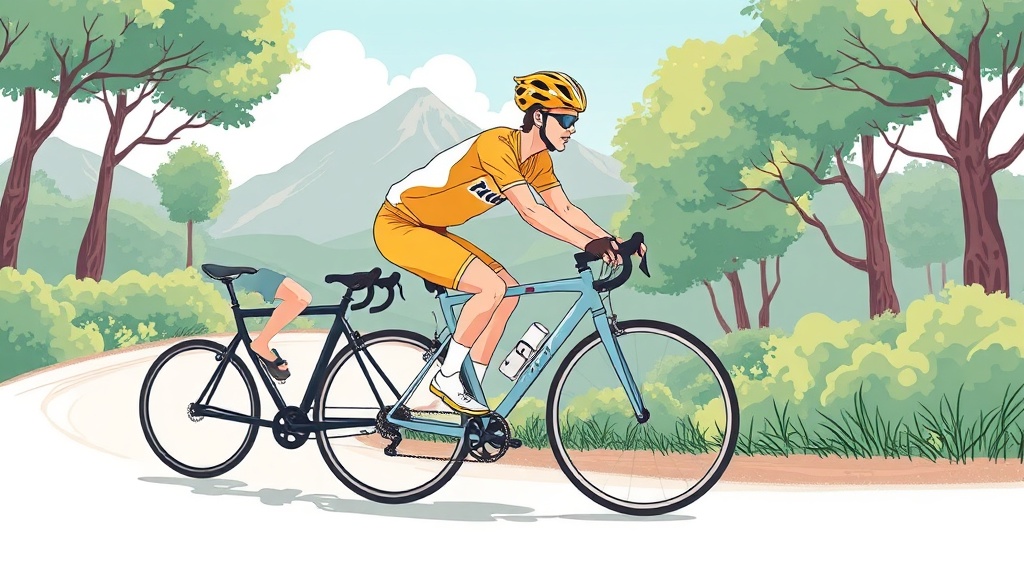
Getting started with gravel is about exploration more than speed. Start with a manageable loop, focus on smooth technique, and gradually increase distance and technical challenge.
Gravel riding rewards curiosity—take small steps, learn from each ride, and enjoy the quieter roads and big views.