Choosing the right fitness gear makes workouts safer, more effective, and more enjoyable. Whether building a compact home gym or upgrading wearables, focus on durability, functionality, and how each piece supports your goals. Below are practical guidelines to help you pick gear that lasts and boosts performance.
Start with your goals
– Strength training: prioritize adjustable dumbbells, kettlebells, and a sturdy bench or power rack. Adjustable options save space while offering progressive overload.
– Cardio and endurance: a good pair of running shoes, a heart-rate-capable wearable, and a jump rope or indoor bike are key.
– Mobility and recovery: invest in a high-density foam roller, massage gun, and resistance bands for assisted stretching.
– General fitness and HIIT: choose a mix of kettlebells, a plyo box, resistance bands, and a non-slip mat.
Smart wearables: what matters
Wearables can motivate and inform, but feature choice matters more than brand hype. Look for:
– Accurate sensors: wrist heart-rate monitors are convenient, but chest straps or armband sensors remain more reliable for high-intensity efforts. Optical sensors have improved, but understand their limitations.
– Battery life: balance frequent syncing and GPS use against battery endurance. Devices that let you toggle GPS or activity tracking extend runtime.
– App ecosystem and compatibility: a useful device syncs with fitness apps you already use and supports data export. Look for open ecosystems rather than closed platforms.
– Key metrics: heart rate, step and calorie estimates, sleep tracking, and recovery scores (like HRV) are the most actionable. Avoid paying extra for gimmicky metrics you won’t use.
– Fit and durability: choose a comfortable strap and water resistance appropriate for your activities.
Home-gym essentials that maximize space
– Adjustable dumbbells or a compact barbell set: efficient for progressive strength work.
– Resistance bands: cheap, portable, and versatile for mobility, activation, and added resistance.
– Stable bench or foldable bench: useful for presses, rows, and core work.
– Pull-up bar or suspension trainer: taps into bodyweight strength and core stability.
– Quality mat: choose non-slip, high-density material for floor protection and joint comfort.
Recovery and accessories
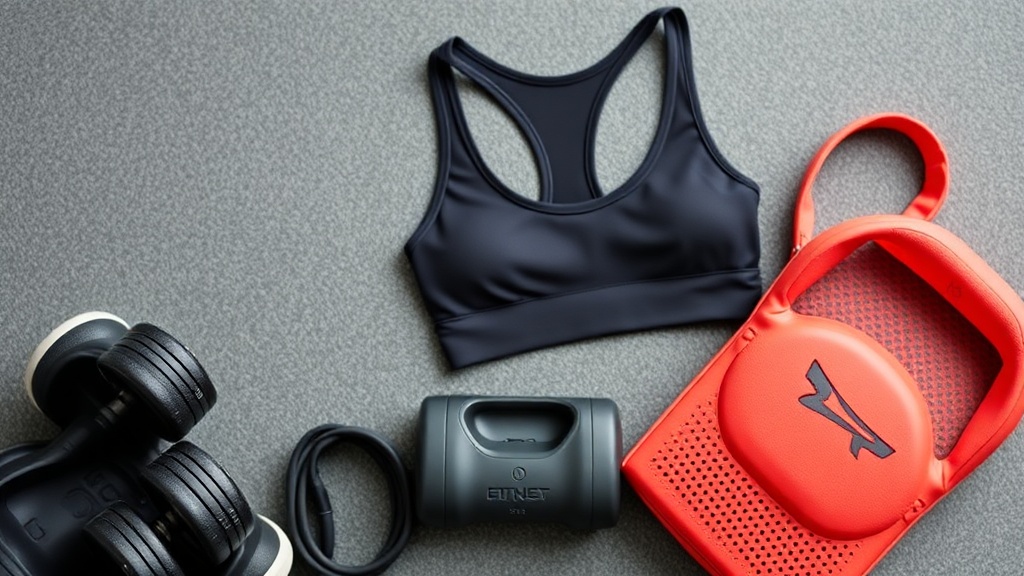
– Foam roller and lacrosse ball: inexpensive, effective self-massage tools.
– Massage gun: helpful for targeted muscle relief when used appropriately.
– Compression sleeves or garments: can aid recovery for long sessions or travel.
– Hydration and nutrition tools: reusable water bottles with insulation and shaker bottles for on-the-go fuel.
Sustainability and materials
Look for recycled fabrics, natural rubber mats, and brands that publish durability or take-back programs. Sustainable options may cost more upfront but often last longer and reduce waste.
Maintenance and buying tips
– Try before you buy when possible: shoe fit and mat feel are personal.
– Read warranty and return policies: good after-sales support is a sign of a reputable brand.
– Prioritize multi-use gear if space or budget is limited.
– Regularly clean and inspect equipment—replace worn straps, frayed bands, or loose screws to avoid injury.
– Consider certified used gear or reputable resale options for big-ticket items like power racks or cardio machines.
Focus purchases on gear that directly supports your routine and skill level. Smart devices should enhance consistency and insight, while durable basic equipment forms the backbone of progress. Small, intentional investments in quality gear pay off in better workouts, fewer injuries, and longer-lasting motivation.