Smart Choices for Fitness Gear: What to Buy, What to Skip, and How to Care for It
Choosing the right fitness gear makes workouts safer, more effective, and more enjoyable. With advances in wearable tech, more compact strength tools, and a growing focus on sustainability, shoppers should prioritize functionality, durability, and fit. This guide breaks down the top categories, what matters when buying, and simple care tips to extend the life of your equipment.
Wearable Tech: Look for meaningful metrics
Wearables can motivate and guide workouts, but not every feature is necessary. Prioritize devices that track metrics you actually use—heart rate, sleep quality, step count, and structured workout guidance are often most valuable. Key buying points:
– Battery life: longer battery life reduces friction and keeps tracking consistent.
– Comfort and fit: devices should stay secure during movement without pinching.
– App ecosystem: check that the companion app syncs with popular fitness platforms.
– Water resistance: choose a device with adequate protection for sweat and swim sessions.
Data privacy and firmware updates are important; select brands with clear policies and regular support.
Home Strength Gear: Space-efficient and versatile
Adjustable dumbbells, kettlebells, and resistance bands allow a broad range of strength progressions without hogging space. When choosing:
– Adjustable weights: look for smooth transition mechanisms and sturdy construction.
– Resistance bands: opt for a set covering light to heavy tensions; check for reinforced handles and an included anchor.
– Kettlebells and medicine balls: pick shapes and textures that suit your grip and the exercises you’ll do.
Investing in a compact rack or storage solution keeps gear organized and safe.
Footwear and Apparel: Fit and function first
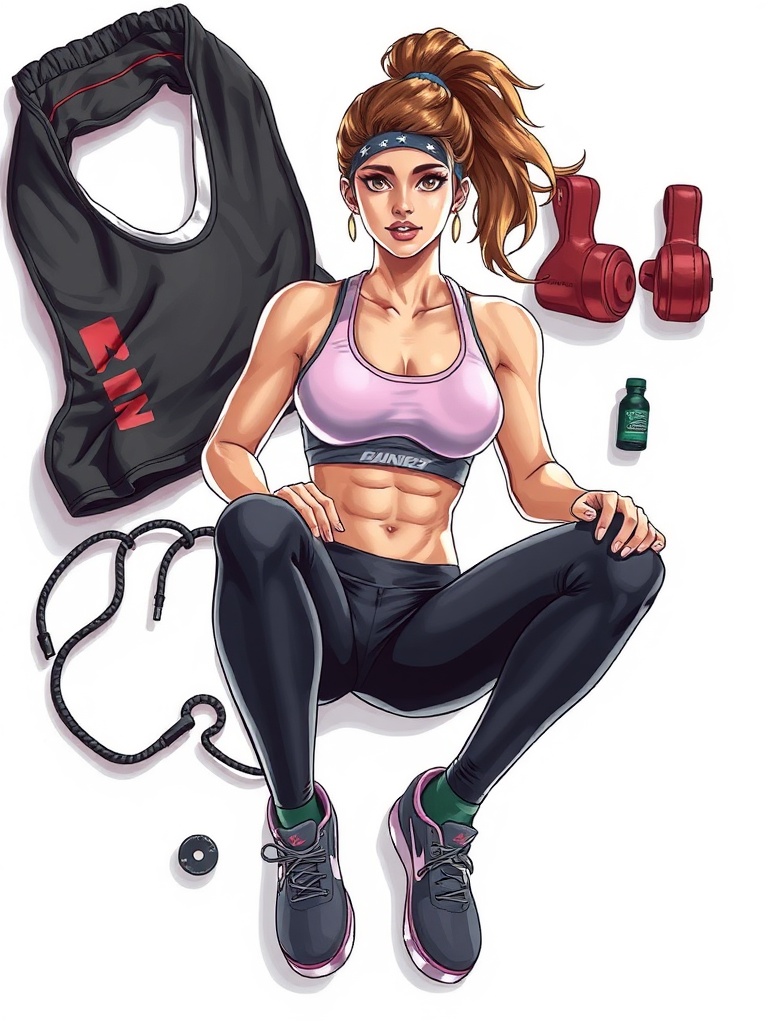
Good shoes reduce injury risk and improve performance. Prioritize fit, support, and intended activity—running shoes differ from cross-training shoes in cushioning and stability. Apparel should balance breathability, mobility, and durability. Consider:
– Fabric blends that wick moisture and resist pilling.
– Seam placement that avoids chafing in common movement patterns.
– Layering options for outdoor workouts in changing conditions.
Recovery Tools: Often overlooked, always useful
Recovery is where gains consolidate.
Foam rollers, massage balls, and percussive devices help manage soreness and improve mobility. When selecting recovery tools:
– Choose foam density appropriate for tolerance; softer for beginners, firmer for experienced users.
– For percussive devices, compare amplitude and battery life rather than just marketing claims.
– Compression garments can aid circulation and comfort; look for graduated compression and breathable fabrics.
Sustainability and Longevity: Buy better, not more
Sustainable materials and repairable design are becoming more common. Recycled fabrics, vegetable-tanned leather handles, and modular equipment reduce environmental impact.
A small premium for higher-quality gear often pays off through longer use and better performance.
Practical Maintenance Tips
– Wipe down sweaty gear after use to prevent odor and material degradation.
– Store bands and rubber equipment away from direct sunlight to avoid cracking.
– Follow shoe rotation—alternate pairs to extend cushioning life.
– Check moving parts and fasteners on adjustable equipment regularly; tighten and lubricate as needed.
Final buying checklist
– Is it suited to your goals and space?
– Does it fit comfortably and feel durable?
– Are replacement parts or warranties available?
– Does the technology or fabric align with privacy and sustainability preferences?
Smart investments in fitness gear focus on real needs, fit, and durability. Choosing versatile tools and caring for them properly maximizes value and keeps workouts consistent, safe, and satisfying.