City riding can be the most efficient, healthy, and rewarding way to get around — if it feels safe and predictable. Whether commuting, running errands, or exploring neighborhoods, adopting a few practical habits and the right gear turns urban cycling from stressful to enjoyable.
Why confidence matters
Confidence comes from control.
That means knowing how to position yourself on the road, how to communicate with motorists and pedestrians, and how to make small equipment choices that improve safety and comfort. Confident cyclists are visible, predictable, and calm — traits that reduce risk more than speed or bravado.
Essential gear that makes a difference
– Helmet: Choose a helmet that fits snugly and meets safety standards. Comfort increases the chance it will be worn consistently.
– Lights: A bright white front light and a red rear light, both steady and flashing modes, are indispensable for low-light conditions and poor weather.
– Reflective accents: Reflective tape or clothing panels vastly improve visibility from the side.
– Bell or horn: A clear, polite sound helps alert pedestrians and cyclists without startling them.
– Gloves and eyewear: Gloves protect hands in a fall and reduce vibration; glasses shield against wind, debris, and sun.
Positioning and roadcraft
– Take the lane when necessary: In narrow lanes or when approaching obstacles, occupying the lane prevents unsafe passing. Move left enough to be seen but not so far you block traffic unnecessarily.
– Ride predictably: Maintain steady speed, signal clearly, and avoid sudden swerves. Use standard hand signals for turns and stops.
– Watch intersections: Most collisions happen at junctions. Pause at the stop line, make eye contact with drivers when possible, and be ready to yield if a vehicle is turning across your path.
– Manage the door zone: Ride outside the potential opening range of parked cars whenever space allows. When passing parked cars, stay at least a car door’s width away or swerve into the lane if it’s safe.
Handling traffic interactions
– Anticipate driver behavior: Drivers may not expect cyclists to take the lane. Assume a driver won’t see you until you make eye contact or they yield.
– Use curbside channels with care: Bike lanes are helpful but can hide you from turning vehicles.
When approaching intersections, merge out of the bike lane to maintain visibility.
– Be courteous but assertive: A friendly wave or nod goes far. When safety is at stake, prioritize space over politeness.
Route planning and apps
Select routes that balance directness with comfort.
Parallel streets, protected lanes, and quieter residential routes often offer faster and less stressful rides than busy arterials. Mapping apps tailored for cycling can highlight bike-friendly paths and elevation changes, helping avoid steep climbs and busy junctions.
Daily maintenance and quick checks
A brief pre-ride check keeps trouble at bay: tires inflated, brakes responsive, chain lubricated, quick-release skewers closed, and lights charged.
Carry a multi-tool, a spare tube or patch kit, and a compact pump or CO2 inflator.
Confidence checklist before you ride
– Helmet fitted and buckled
– Lights on and charged
– Visible clothing or reflective accents
– Tires inflated and brakes working
– Route chosen with safety in mind
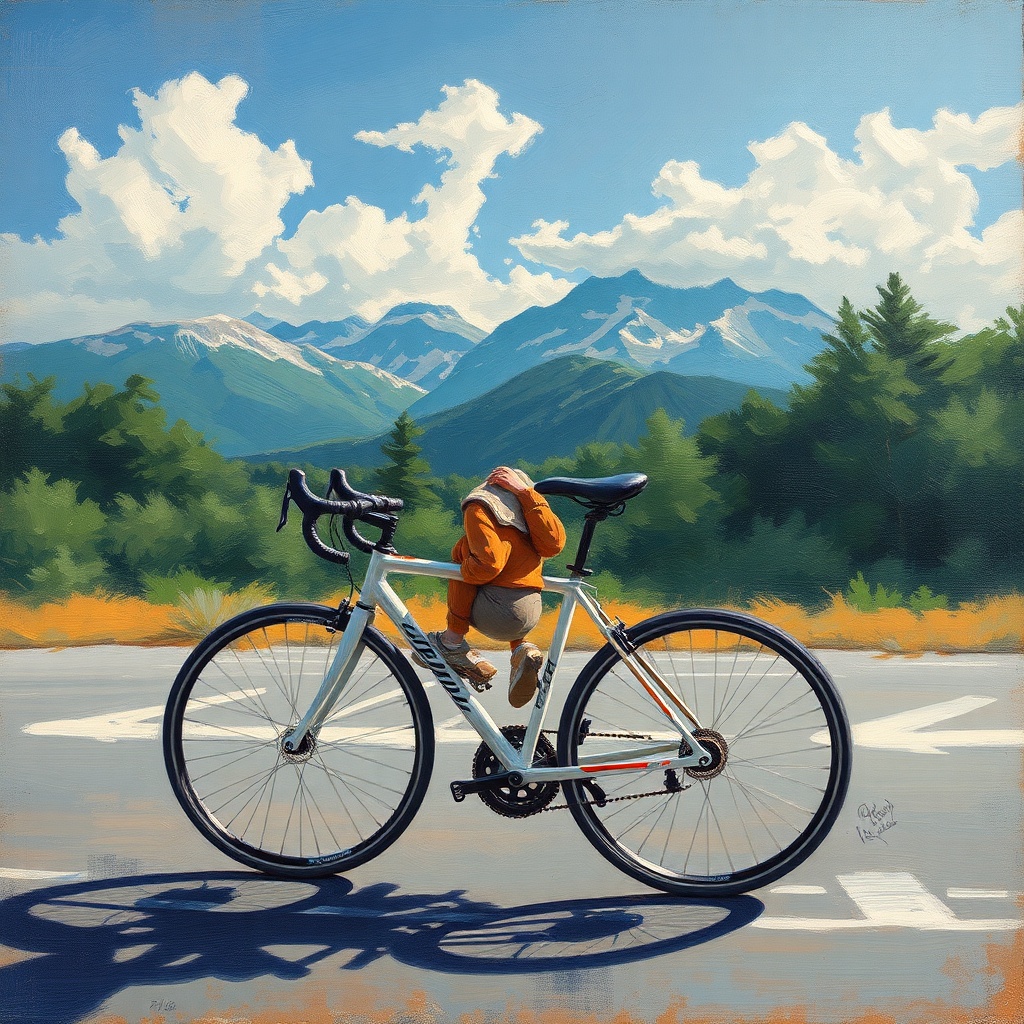
Cycling in the city rewards patience and practice. By choosing the right gear, riding predictably, and planning routes that favor safety, urban cycling becomes not only practical but enjoyable.
Take small steps — a better light, a safer route, a pre-ride check — and each trip will feel easier and more secure.