Pilates: How to Get Stronger, Leaner, and More Balanced
Pilates is a low-impact movement system that delivers surprising strength, better posture, and improved mobility—without bulk. Rooted in control, precision, and breath, it adapts to all fitness levels and is popular for rehabilitation, athletic cross-training, and general wellness. Here’s how to get the most from your practice.
Why Pilates works
Pilates targets the deep stabilizing muscles of the core—the abdominals, back extensors, pelvic floor, and diaphragm—while training full-body coordination. Exercises emphasize alignment and slow, controlled movements, which improves neuromuscular connection and reduces compensatory patterns that cause pain. Because it focuses on quality over quantity, progress is steady and long-lasting.
Types of Pilates
– Mat Pilates: Uses bodyweight and small props like a resistance band, ball, or magic circle. Excellent for building foundational strength and can be practiced anywhere.
– Reformer Pilates: Uses a spring-loaded carriage to add resistance and support. Ideal for precise progression, rehabilitation, and those seeking a wider exercise range.
– Clinical or Therapeutic Pilates: Taught by instructors with specialist training, this approach modifies exercises to address injuries or chronic conditions.
– Contemporary vs. Classical: Contemporary classes incorporate modern exercise science and variations, while classical follows the original exercise sequence. Both deliver results—choose based on instructor style and personal preference.
Key benefits to expect
– Stronger, more stable core without bulky muscle
– Improved posture and reduced back pain through balanced muscle development
– Greater mobility and joint-friendly conditioning
– Enhanced body awareness and movement efficiency
– Better breathing patterns and stress reduction
How to choose a class or instructor
Look for certified instructors who can assess movement patterns and offer progressions. Communicate goals and any injuries up front.
If new to Pilates, start with a beginner mat class or a private session on the reformer to learn alignment and breathing.
Group classes are motivating; private sessions accelerate technique and provide safer modifications.
Essential technique tips
– Breathe to move: Inhale to prepare, exhale to initiate the action.
Coordinate breath with movement to support the core.
– Quality over reps: Perform fewer controlled repetitions rather than rushing through sets.
– Neutral spine awareness: Learn the difference between a tucked and neutral pelvis—most routines benefit from neutral alignment unless the exercise calls for articulation.
– Engage the deep core, not the superficial six-pack only. Think of drawing the lower belly toward the spine rather than squeezing.
Common mistakes and how to fix them
– Holding breath: Focus on continuous, rhythmic breathing to maintain endurance and support.
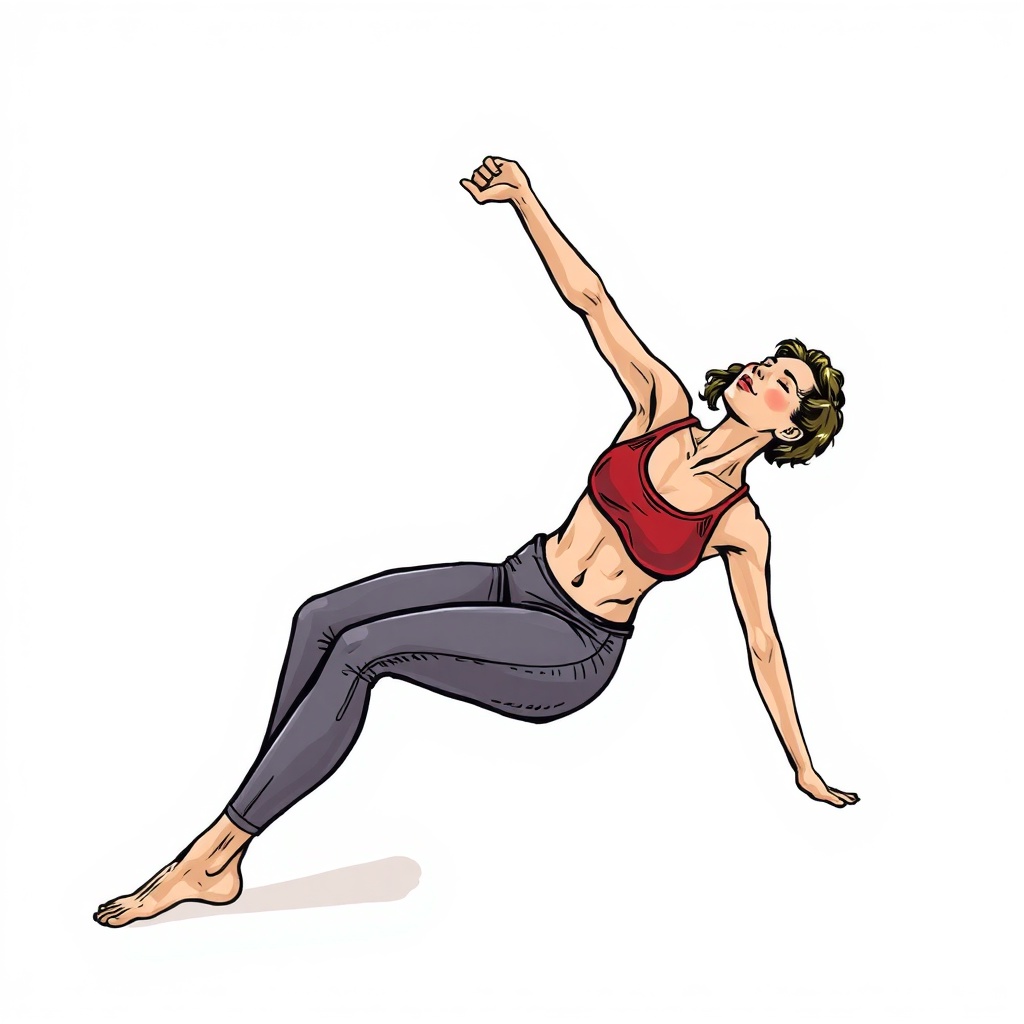
– Over-tensing shoulders: Relax the neck and shoulder girdle; let the ribcage move with breath.
– Rushing through progressions: Keep variations simple until technique is consistent; strength and flexibility grow safely this way.
Sample practice frequency
Aim for two to four Pilates sessions per week, mixing mat and reformer when possible. Consistent, moderate practice yields noticeable changes in strength, posture, and flexibility while lowering injury risk.
Ready to start?
Find a certified studio, book an introductory session, or try a short mat routine at home. With steady practice and attention to alignment, Pilates becomes a practical way to move through life with more strength, ease, and confidence.