Smart, sustainable exercise routines are the easiest way to build fitness that lasts. Whether you want more energy, better sleep, or a stronger body, a balanced plan focused on strength, movement quality, and recovery will deliver results without burning out.
Why strength and conditioning together?
Strength training preserves muscle, supports joints, and raises resting metabolism. Conditioning—through brisk walking, cycling, or high-intensity interval training (HIIT)—improves cardiovascular health and stamina. Combining both gives a rounded fitness base: strength for daily function and conditioning for heart health and fat loss.
A simple weekly framework
– Strength: 2–3 sessions, 30–45 minutes. Focus on compound movements (squats, deadlifts, presses, rows) or functional bodyweight patterns (push-ups, lunges, pull variations).
– Conditioning: 2 sessions, 20–30 minutes. Mix steady-state moderate-intensity work with one interval session per week for variety.
– Mobility and active recovery: at least 10–15 minutes after workouts or on rest days.
Prioritize hip, thoracic, and shoulder mobility.
– Rest: 1 full rest day or gentle movement day (walking, light yoga).
Progression and overload
To keep improving, gradually increase one variable: weight, reps, sets, or density (same work in less time). Track sessions to ensure steady progression. If you’re new, start with manageable loads and focus on mastering movement patterns before adding heavy weight.
Sample beginner session (bodyweight)
– Warm-up: 5 minutes (dynamic lunges, arm circles, leg swings)
– Circuit, 3 rounds: 10 squats, 8 push-ups (knees if needed), 12 glute bridges, 20-second plank
– Cool-down: 5 minutes of stretching and deep breathing
Time-efficient options for busy schedules
Short, intense sessions can be highly productive. A 20-minute HIIT protocol (e.g., 30 seconds hard, 30 seconds easy for 10 rounds) or a 15–20 minute kettlebell swing + goblet squat metcon elevates heart rate and builds strength. For daily consistency, aim for smaller sessions you can commit to rather than sporadic long workouts.
Recovery and lifestyle factors
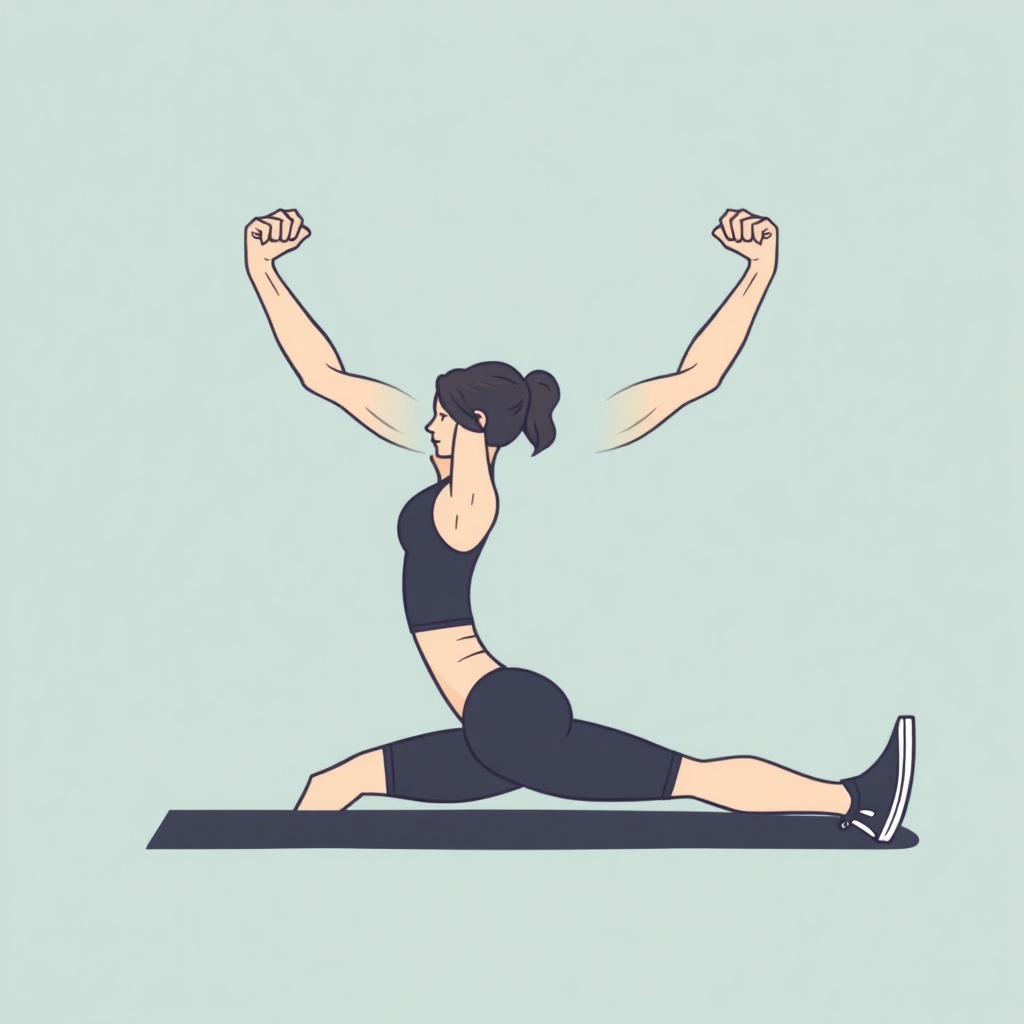
Exercise effectiveness depends heavily on recovery. Prioritize sleep, balanced nutrition, and hydration. Aim for protein at each meal to support muscle repair and include whole-food carbohydrates and healthy fats for energy. Foam rolling, mobility work, and targeted stretching reduce stiffness and lower injury risk. If soreness lingers beyond normal muscle fatigue, scale back intensity or volume for a few sessions.
Injury prevention and form
Quality beats quantity. Always prioritize technique over heavier loads.
Use mirrors, record yourself occasionally, or work with a coach for critical lifts. If you feel sharp joint pain, stop and reassess form or consult a professional. Consistent mobility and prehab work (glute activation, scapular control) prevent common issues.
Staying consistent
Habit formation matters more than perfection. Schedule workouts like appointments, partner up or join small group classes for accountability, and celebrate small wins such as added reps or fewer rest breaks.
Variety helps adherence—rotate modalities and swap workouts to keep motivation high.
Tracking progress
Simple metrics work well: session duration, weights lifted, reps completed, and subjective energy levels. Periodically test a benchmark—unbroken push-up max, timed mile, or a one-rep max on a safe lift—to measure improvement.
Actionable next step
Choose two days this week to prioritize strength, add one short conditioning session, and commit to two 10-minute mobility sessions. Small, consistent steps lead to big changes.