Yoga continues to evolve as a practical tool for movement, stress regulation, and sustained well‑being. Whether you’re a complete beginner or returning after a long break, the most effective practice balances breath, mindful movement, and consistency. Here’s an approachable guide to practicing yoga in everyday life.
Why yoga matters now
Beyond flexibility and strength, yoga is a compact toolkit for managing stress, improving sleep, and sharpening focus. Modern life often fragments attention and posture—yoga helps realign the body and calm the nervous system through breathing, gentle movement, and intentional rest. Benefits accumulate with regular, moderate practice more reliably than with sporadic, intense sessions.
Practical formats that fit busy schedules
– Short daily practices: Ten to twenty minutes of breathwork and a few standing poses can reduce stress and improve mobility. A short Sun Salutation or a gentle hip-opening sequence is ideal for mornings.
– Micro-breaks at work: Desk-friendly stretches—neck rolls, seated twists, and wrist stretches—alleviate tension from prolonged sitting.
– Evening restorative sessions: Slow, supported poses with bolsters and blankets help nervous system recovery and improve sleep quality.
– Hybrid learning: Combining occasional in-person classes with online or app-led practices offers variety and continuity, letting you explore different teachers and styles from home.
Breathwork and mindfulness
Mastering the breath amplifies the benefits of postures. Start with simple techniques:
– Box breathing: equal counts for inhale, hold, exhale, hold; great for calming acute stress.
– Alternate nostril breathing: balances left/right energy and steadies the mind before practice.
– Ujjayi-like slow breathing: promotes longer, mindful movement during dynamic flows.
Foundational poses and progressions
Focus on a few reliable poses and learn to refine them rather than chasing advanced shapes. Key areas:
– Hips: lunges, pigeon variations, and supported bridges maintain mobility and protect the lower back.
– Shoulders and chest: gentle backbends and thread-the-needle can counteract forward-leaning posture.
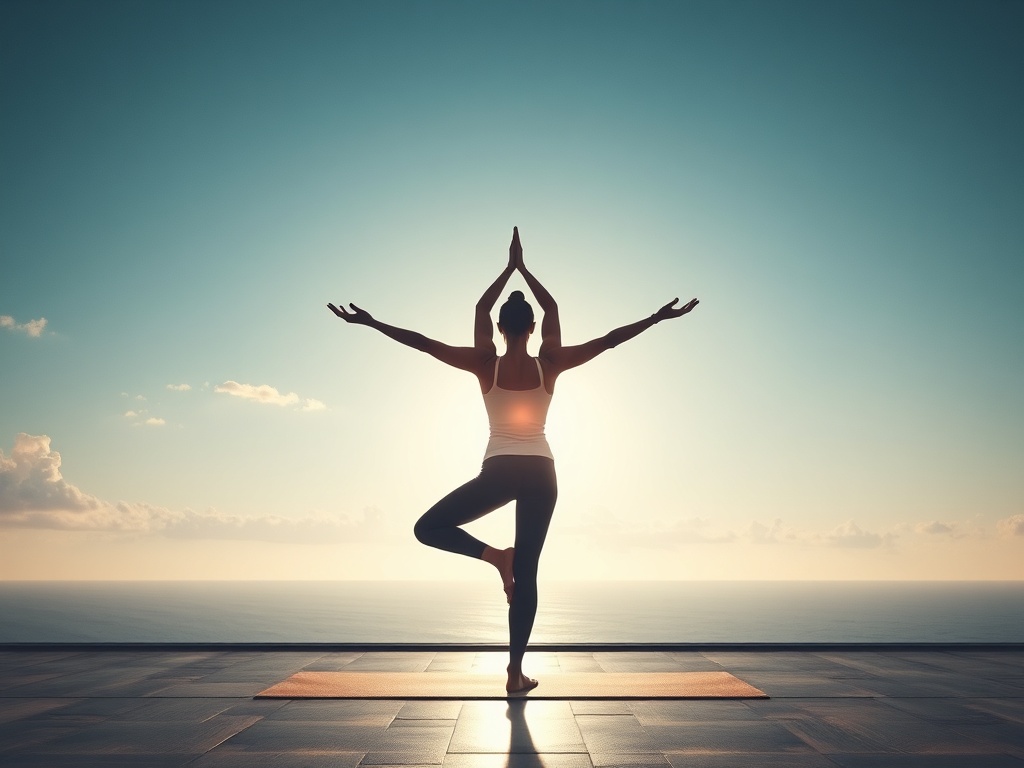
– Core and balance: boat pose, plank variations, and tree pose build strength and proprioception.
Use props—blocks, straps, bolsters—to make poses accessible and safe. Small adjustments often produce bigger gains than forcing deeper positions.
Adapting for injuries and limitations
Yoga should meet you where you are. If you have chronic pain or an acute injury, prioritize alignment and pain-free range of motion. Slow, supported approaches like restorative or chair yoga can maintain practice without aggravating conditions.
A knowledgeable teacher or physical therapist can suggest modifications tailored to your needs.
Tracking progress without perfectionism
Progress is more about how you feel than how deep your stretch becomes. Notice improvements in sleep, stress levels, and daily movement quality. Wearables and apps can help track consistency, heart-rate variability, or mindfulness minutes, but the simplest metrics—regular practice and increased ease in daily activities—remain the most meaningful.
Getting started
Start small and build a rhythm.
Commit to short daily practices or a few longer sessions per week.
Explore different teachers and styles until you find a voice and pace that resonate. Over time, yoga becomes less about poses and more about showing up with curiosity, breath, and attention—tools that support both body and mind through whatever life brings.