Pilates remains one of the most effective methods for building core strength, improving posture, and enhancing overall movement quality.
Whether you’re trying mat Pilates for the first time or stepping onto a reformer, understanding the fundamentals helps you get more from each session and reduce the risk of injury.
What Pilates actually is
Pilates is a system of controlled movements designed to improve strength, flexibility, balance, and body awareness.
It emphasizes alignment, breath, and precise, flowing motion.
Classes vary from gentle mobility-focused sessions to high-intensity reformer workouts that incorporate springs and straps for added resistance.
Key benefits
– Core strength: Pilates targets deep stabilizing muscles of the torso, which supports better posture and reduces back pain.
– Alignment and posture: Regular practice teaches efficient movement patterns, easing strain on neck, shoulders, and lower back.
– Flexibility and mobility: Dynamic stretches and controlled ranges of motion improve joint health and resiliency.
– Injury prevention and rehabilitation: With careful progressions, Pilates is widely used to restore movement after injury and to support long-term joint health.
– Performance enhancement: Athletes use Pilates to address imbalances, increase rotational control, and refine movement efficiency.
Mat vs. reformer Pilates
Mat Pilates uses bodyweight and small props (bands, balls, blocks) to build strength and coordination. It’s accessible and portable. Reformer Pilates employs a sliding carriage and adjustable springs to vary resistance and challenge stability.
Reformer sessions often allow more precise load management, which can accelerate strength gains and mobility improvements when guided by a qualified instructor.
Core principles to focus on
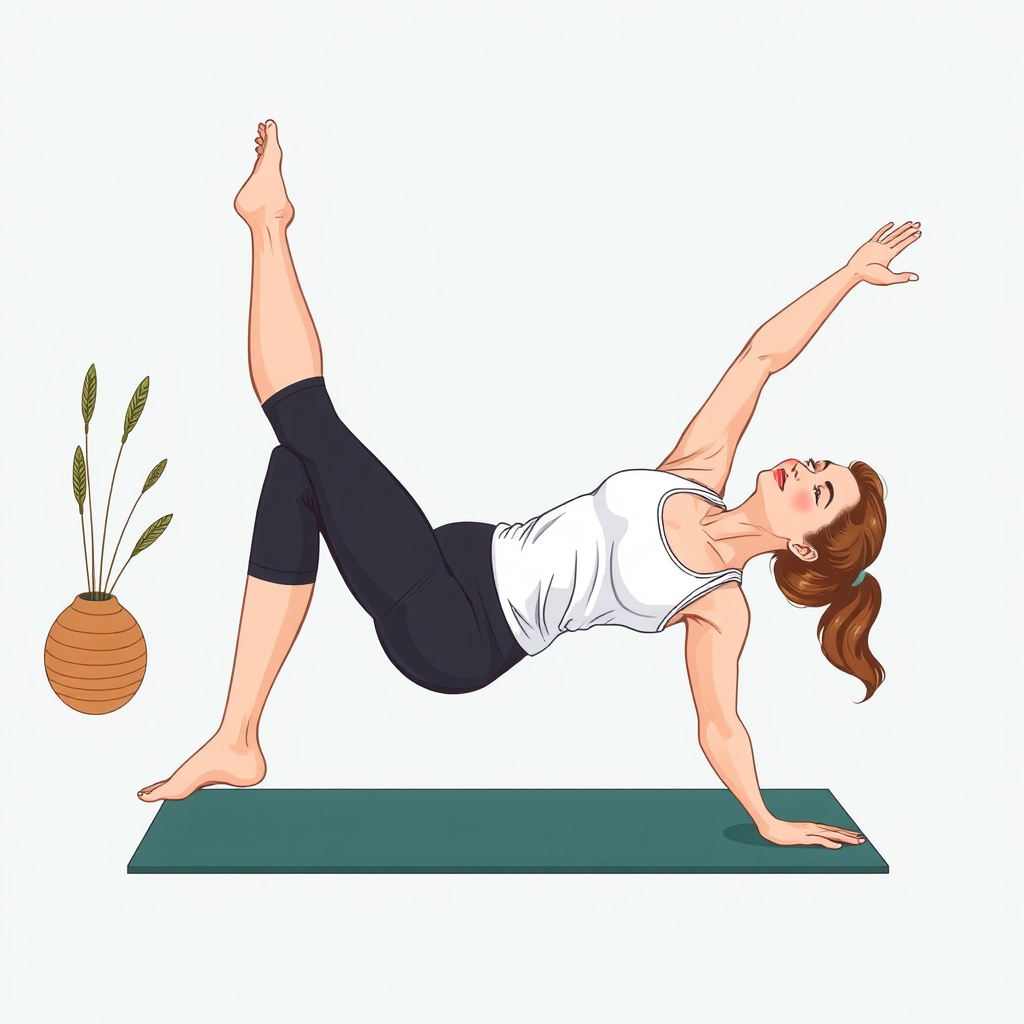
– Breath: Coordinate breathing with movement to activate deep abdominal muscles and support spinal stability.
– Control and precision: Quality over quantity keeps the work efficient and safe.
– Centering: Movements originate from the “powerhouse” — the deep core muscles around the abdomen and lower back.
– Flow: Exercises should transition smoothly, maintaining connection and tension where needed.
Common mistakes and how to fix them
– Over-recruiting the neck and shoulders: Soften the neck, avoid shrugging, and focus on drawing energy from the core.
– Holding the breath: Use exhalations to engage the deeper abdominal muscles during challenging phases of an exercise.
– Rushing through reps: Slow, controlled movement recruits stabilizers more effectively than fast, ballistic motions.
– Ignoring alignment: Small adjustments in pelvic tilt and rib position can dramatically change how an exercise feels and what muscles engage.
How to choose a class
Look for instructors with recognized Pilates certifications and a focus on individual assessment. Mention any prior injuries or conditions before your first class. For rehab or pregnancy, seek teachers with specialized training in those areas.
Quick beginner mini-routine (3 moves)
– Pelvic curl (5–8 reps): Articulate the spine one vertebra at a time to mobilize the back and activate glutes.
– Single-leg stretch (6–8 reps each side): Focus on a stable lower back and coordinated breath.
– Plank to knee tuck (5 reps each): From a forearm plank, draw one knee toward the chest, keeping hips level to build core control.
Safety note
If you have persistent pain or a medical condition, consult a healthcare provider before starting Pilates. A qualified instructor will scale exercises appropriately and guide progressions.
With consistent practice, Pilates enhances body awareness and movement quality that translate to everyday life and other fitness pursuits. Try a few different class formats, prioritize form, and treat progression as steady and intentional for the best results.