Choosing the right fitness gear can transform a good workout into a great one. Whether you train at home, hit the gym, or run outside, smart choices about equipment, footwear, and recovery tools help you stay consistent, avoid injury, and get better results.
Start with your goals
Match gear to goals before buying. If strength is your focus, prioritize adjustable dumbbells, a sturdy bench, and a power rack or squat stand if space allows.
For cardio, a reliable treadmill, stationary bike, or jump rope will deliver the most bang for your buck. For mobility and functional training, resistance bands, kettlebells, and a quality yoga mat are essentials. Knowing what you want to achieve avoids impulse purchases and clutter.
Footwear and apparel matter
Running shoes and cross-training shoes are engineered differently. Runners should look for cushioning, heel-to-toe drop, and breathable uppers that suit their gait.
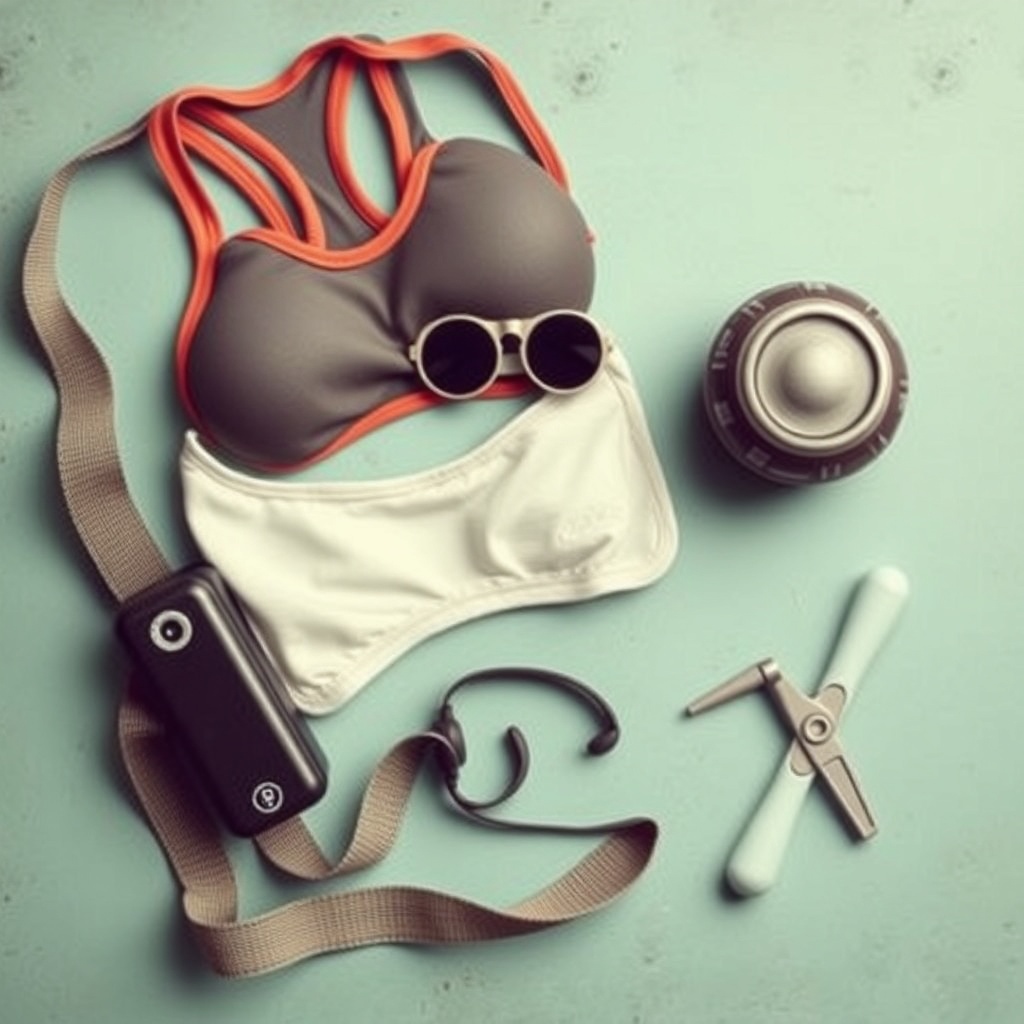
People who lift and do short, intense sessions need flatter, more stable soles. Athleisure and compression clothing offer comfort and moisture control; choose fabrics with sweat-wicking and antimicrobial properties for longer wear. Proper fit prevents blisters, chafing, and unnecessary movement during activity.
Tech that actually helps
Wearable trackers and smartwatches can provide motivation and useful metrics—heart rate zones, recovery status, and movement patterns. Smart trainers and app-connected machines bring structured workouts and progress tracking to home training. Pick devices with reliable battery life, an intuitive interface, and software that syncs with the apps you already use.
Avoid tech that overpromises and underdelivers; focus on features that align with your routine.
Space-efficient solutions for home gyms
Not everyone has a dedicated room for fitness. Choose compact, multi-use gear: adjustable dumbbells replace multiple fixed sets, foldable benches save space, and resistance bands offer full-body options in a tiny footprint.
Wall-mounted storage and mats protect floors while keeping equipment tidy. Prioritize items that give versatility for strength, mobility, and cardio.
Recovery gear keeps you training longer
Recovery tools are investments in longevity. Foam rollers and massage balls increase circulation and help with muscle soreness. Percussive massagers can speed up warm-ups and post-workout recovery when used correctly. Compression sleeves and cold therapy options support acute recovery. Remember that recovery is complementary—consistent sleep, hydration, and mobility work are equally important.
Durability, warranty, and safety
Inspect build quality before buying: welds, fasteners, and padding should feel solid. Check warranties and the availability of replacement parts—especially for moving equipment and electronics.
For free weights, prioritize knurling and secure collars; for bands and ropes, look for tear-resistant materials. Always follow weight limits and manufacturer guidelines to prevent injury.
Sustainability and budgeting
Eco-friendly options now include recycled fabrics, responsibly sourced rubber, and refurbished equipment sales. Buying secondhand for larger items can be cost-effective and sustainable if you inspect for wear. For beginners, focus on a small set of high-quality essentials rather than a lot of cheap items.
Maintenance basics
Clean sweat-prone surfaces regularly, store rubber and silicone items away from direct sunlight, and periodically check bands and cables for wear.
Keep electronics charged and updated; a small maintenance habit extends the life of gear and keeps workouts uninterrupted.
Smart buying, consistent training, and proper care will make fitness gear a reliable partner on the journey. Prioritize needs over trends, and invest in versatile, durable pieces that support steady progress.