Smart, Sustainable Exercise: How to Get Stronger, Move Better, and Enjoy the Process
Exercise is one of the most reliable tools for improving energy, mood, sleep, and long-term health. Yet many people struggle to stick with a plan or don’t see progress because they focus on the wrong things. A smarter approach blends strength, cardio, mobility, recovery, and habit design to create lasting results without burnout.
Why combine strength and cardio?
Strength training builds muscle, preserves bone density, and improves daily function. Cardiovascular work improves heart and lung health and helps with fat management and endurance. Combining both creates a balanced program that boosts metabolism, reduces injury risk, and enhances performance in life and sport.
Principles that actually work
– Progressive overload: Gradually increase weight, reps, or volume to force adaptation. Small, consistent increases are safer and more sustainable than big jumps.
– Consistency over intensity: Regular moderate workouts beat sporadic extremes.
Aim for a schedule you can maintain long-term.
– Movement variety: Rotate compound lifts, unilateral work, mobility drills, and different cardio modes to prevent plateaus and overuse injuries.
– Recovery as training: Sleep, nutrition, hydration, and stress management are integral to progress. Poor recovery undermines even the best workouts.
Practical tips for efficient workouts
– Warm up for 5–10 minutes: light cardio plus dynamic stretches that prime muscles you’ll use. This reduces injury risk and improves performance.
– Focus on compound exercises: squats, deadlifts, push variations, rows, and hinges recruit multiple muscle groups and deliver more bang for your time.
– Use interval training for time-crunched days: Short intervals of intense effort followed by recovery can improve fitness fast without long sessions.
– Prioritize form over ego: Lighter weights with correct technique deliver better long-term gains than heavy weights lifted poorly.
– Track progress simply: A training log or app that records weights, reps, and subjective effort helps maintain progressive overload.
A simple weekly template
– 3 strength sessions: full-body or upper/lower split, focusing on major lifts and 8–12 reps for hypertrophy plus 3–6 reps for strength on key movements.
– 2 cardio sessions: one steady-state 30–45 minutes and one interval session of 20–30 minutes.
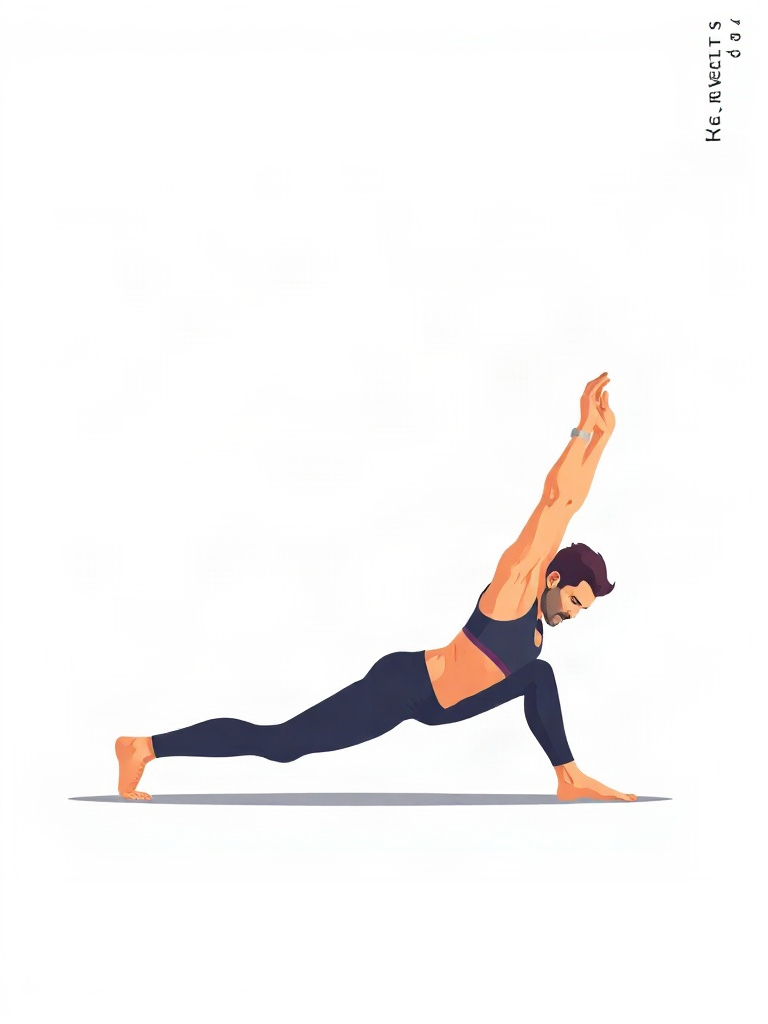
– Daily mobility: 10 minutes of targeted mobility/stability work—hips, thoracic spine, shoulders.
– One active recovery day: light walk, yoga, or mobility flow.
Nutrition and recovery essentials
Protein intake supports muscle repair—spread lean protein across meals.
Pair carbohydrates with workouts for energy and recovery; include healthy fats for hormone balance. Hydrate throughout the day, and prioritize sleep—deep, regular sleep amplifies training benefits and reduces injury risk.
Staying motivated
Micro-habits beat motivation. Schedule workouts like appointments, track small wins, and vary modalities to keep things interesting.
Training with a partner, joining classes, or using short-term challenges can provide accountability and social reinforcement.
When to seek professional help
A coach or physical therapist is a good investment if you have persistent pain, need a tailored program, or want faster, safer progress. They can correct technique and structure a plan that fits your goals and limitations.
Small, consistent actions produce the largest returns. Focus on steady progression, balanced programming, and recovery, and exercise becomes a sustainable lifestyle that supports both performance and wellbeing.