Fitness gear has moved beyond bulky machines and basic dumbbells. Today’s options blend tech, sustainability and space-smart design to help you train smarter, wherever you work out.
Whether you’re equipping a compact home gym or upgrading outdoor essentials, choosing the right gear makes progress safer and more sustainable.
What to prioritize when buying fitness gear
– Define your goals: Strength, endurance, mobility or recovery will determine what matters most. Strength training favors adjustable dumbbells and kettlebells; cardio goals lean toward a bike or jump rope; mobility and recovery benefit from rollers and massage tools.
– Consider space and storage: Adjustable equipment and foldable cardio machines save room. Wall-mounted racks, stacked plates and compact benches make small spaces work.
– Balance price and durability: Invest in high-wear items like shoes and barbells; save on low-impact accessories like yoga mats or resistance bands if budget is tight.
– Look for versatility: Tools that support multiple exercises give more value—think adjustable dumbbells, resistance bands, and suspension trainers.
Key categories worth considering
– Wearable fitness trackers: These monitor heart rate, recovery, sleep cycles and movement patterns. Choose a tracker with reliable sensors and interoperability with apps you already use.
– Resistance bands and suspension trainers: Lightweight, affordable and extremely versatile. They’re ideal for progressive bodyweight training and for adding resistance to mobility work.
– Adjustable dumbbells and kettlebells: Compact and time-saving for progressive overload. Check locking mechanisms and weight increments for smooth transitions.
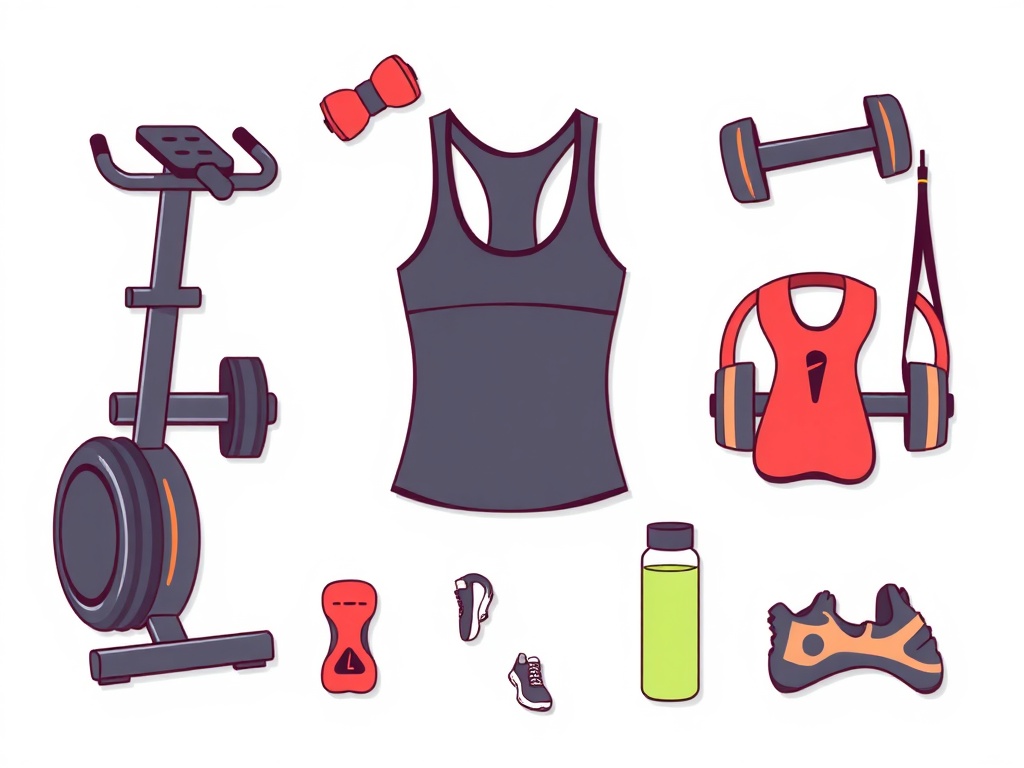
– Cardio equipment: For home setups, folding treadmills, compact ellipticals and indoor bikes maximize efficiency. For outdoor training, durable running shoes and reflective gear matter.
– Recovery tools: Foam rollers, massage guns and compression devices help reduce soreness and speed up return to training.
Gentle, consistent use is more beneficial than occasional intense sessions.
– Yoga and mobility gear: A non-slip mat, blocks, straps and a supportive cushion can transform flexibility and injury-prevention routines.
Safety, maintenance and longevity
– Inspect equipment regularly: Look for frayed straps, loose bolts and worn padding. Fix or replace damaged items to prevent injury.
– Keep gear clean: Wipe down mats, machines and wearable sensors after use with appropriate cleaners.
Avoid harsh chemicals that degrade materials.
– Maintain electronics: Charge wearables on schedule, update firmware for bug fixes and ensure app connections remain secure.
– Learn proper technique: Even the best gear won’t prevent injury if used incorrectly. Consider a session with a trainer or reputable online tutorials when trying new equipment.
Sustainability and smarter shopping
– Choose recycled or responsibly sourced materials for mats, apparel and some fitness equipment to reduce environmental impact.
– Buy quality used equipment or trade-in programs for big-ticket items like cardio machines and racks. Many sellers refurbish gear with warranties.
– Check warranties and customer service reputation—repairable gear extends lifespan and reduces waste.
Small changes, big gains
Start by matching one or two pieces of gear to your primary training needs and space. Prioritize durability, versatility and safety over trends, and treat technology as a tool to inform—not define—your workouts. With the right choices, gear becomes a reliable partner in consistent progress.