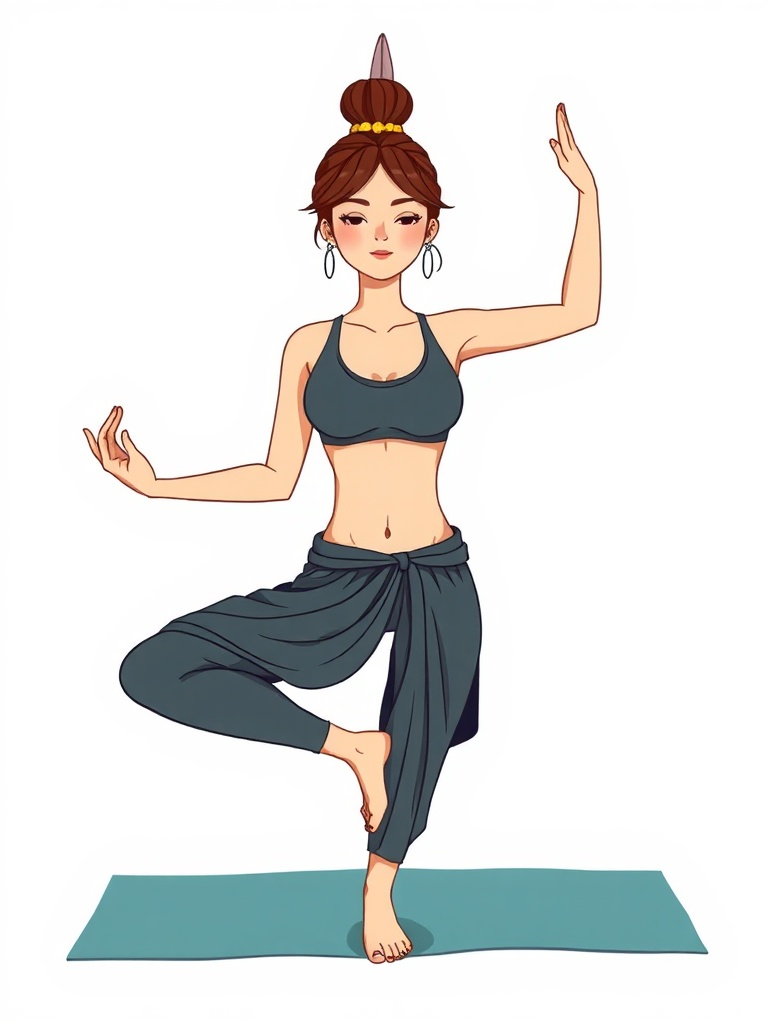
Build a sustainable yoga practice that fits your life, not the other way around
Many people want the benefits of yoga—reduced stress, improved posture, better sleep—without spending hours in class.
A practical, consistent home practice can deliver profound results when it’s simple, focused, and adaptable to daily life.
Here’s a straightforward approach to creating a sustainable routine, plus a quick sequence designed for busy bodies.
Make practice small and consistent
– Start with 10–20 minutes: Short daily sessions beat irregular long sessions.
Consistency builds habit and momentum.
– Anchor to an existing routine: Practice after waking, during lunch, or before bed to make it automatic.
– Prioritize quality over quantity: Focused breath, alignment, and mindful transitions matter more than how long you stay on the mat.
Essential tools and space
– A non-slip mat and comfortable clothing are enough. Blocks, a strap, and a bolster expand options but aren’t required.
– Create a dedicated spot, even if it’s a corner of a room.
A consistent space signals your brain it’s practice time.
– Keep a timer or playlist ready to avoid decision fatigue.
Integrate breath and mindfulness
– Begin with diaphragmatic breathing: inhale to expand the belly, exhale to release. Five breaths can calm the nervous system and improve focus.
– Try ujjayi-style breathing (gentle throat constriction) to regulate breath length during movement.
– Use short check-ins: notice body sensations, breath rhythm, and mental state.
One or two mindful breaths between poses keeps practice centered.
A 10-minute balanced sequence for busy days
1. Seated breath and neck release (1–2 minutes): Sit tall, breathe deeply, gently tilt the head each side, exhale to release tension.
2. Cat–Cow (1 minute): On hands and knees, flow slowly to mobilize the spine with breath.
3. Downward Dog (1–2 minutes): Pedal the feet to stretch calves and hamstrings, micro-adjust hand placement for comfort.
4. Low Lunge with twist (1 minute each side): Open hips and chest; lift the arms or bring opposite elbow to knee for a twist.
5. Standing Forward Fold to Half Lift (1 minute): Calm the nervous system and lengthen the spine.
6. Chair Pose to Forward Fold (1 minute): Build heat and strengthen legs; soften the knees on transitions.
7. Supine Figure-4 or Reclined Pigeon (1 minute each side): Gentle hip opener on the back.
8. Legs-Up-the-Wall or Savasana (1–2 minutes): Quiet the nervous system and integrate.
Adaptations and safety
– Modify with a chair for balance or a folded blanket under knees for comfort.
– Avoid deep twists or inversions if recovering from injury, have high blood pressure, or are pregnant—opt for gentle variations and consult a healthcare provider if unsure.
– Pain is a signal; sharp pain means stop. Aim for sensations of stretch or effort without strain.
Progress without pressure
– Add one small change each week: an extra two minutes, a new pose, or a short guided meditation.
– Track simple markers: sleep quality, stress levels, posture, or mood. These often reflect progress better than flexibility alone.
– Use classes—online or in-person—occasionally to refine alignment and stay inspired.
A practical yoga practice supports movement, breath, and calm in daily life.
Start small, stay consistent, and let the practice evolve with your needs—results follow when practice becomes part of the routine rather than a sporadic event.