Pilates blends controlled movement, breath, and alignment to build core strength, improve posture, and increase flexibility without heavy impact. Whether you practice mat Pilates at home or take a class on a reformer, the method focuses on efficient, mindful movement that translates to better function for daily life and other sports.
Why Pilates works
Pilates targets the “powerhouse”—deep abdominal muscles, pelvic floor, lower back, and hips—stabilizing the spine and improving movement patterns. It emphasizes quality over quantity: precise repetitions, coordinated breathing, and continuous connection between mind and body.
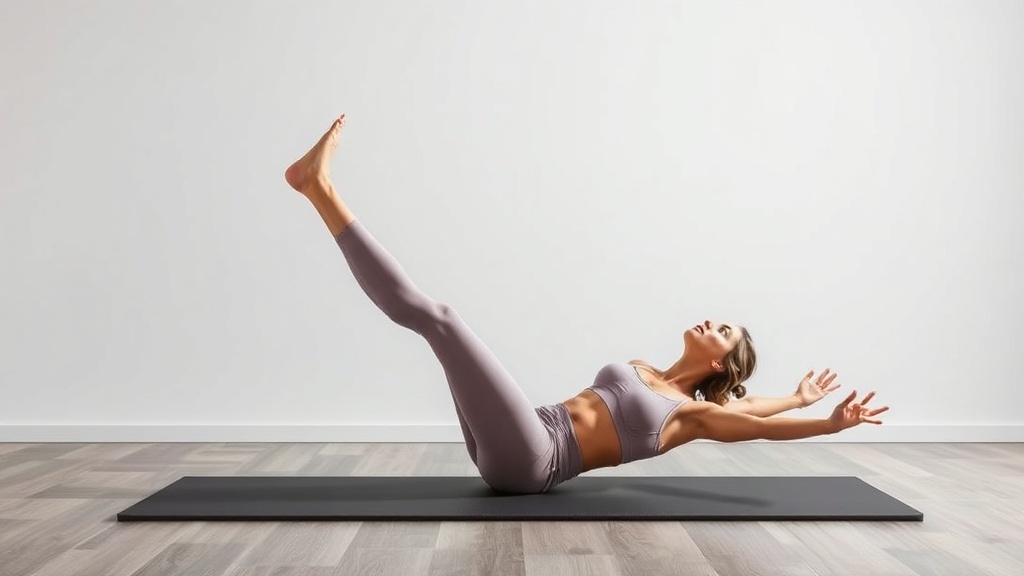
This approach reduces compensations that often cause pain, making Pilates popular for rehabilitation and preventative fitness.
Styles and equipment
– Mat Pilates: Uses bodyweight and small props (band, mini ball, foam roller).
Great for building foundational control and mobility.
– Reformer Pilates: Uses a sliding carriage and springs for variable resistance, allowing greater range and load options.
– Cadillac/Wunda Chair and barrels: Offer targeted strength and mobility work, often used in studio settings.
– Props: Magic circle, resistance bands, small Pilates ball, and foam rollers help modify intensity and provide tactile cues.
Key benefits
– Improved core stability and posture
– Increased muscular endurance and balanced strength
– Enhanced mobility and spinal articulation
– Low-impact conditioning suitable for many ages and fitness levels
– Better body awareness and movement economy
Beginner-friendly sequence (10 minutes)
1.
Breathing and pelvic neutral (1–2 minutes): Sit or lie comfortably.
Inhale to expand the ribcage laterally; exhale to draw the navel toward the spine. Find a neutral pelvis—tilt gently until you feel the low back lengthen.
2. Pelvic curl/bridges (8–12 reps): Articulate the spine up one vertebra at a time, lift to shoulder bridge, then roll down with control. Keep ribs soft, pelvis stable.
3. Chest lift (8–10 reps): Knees bent, hands behind head, curl up using the abdominals; avoid neck strain by lengthening through the crown.
4. Single-leg stretch (6–8 reps each side): Alternate pull-ins with shoulders lifted; exhale as you draw the knee into the chest.
5. Bird dog (6 reps each side): On all fours, extend opposite arm and leg with a stable core and neutral spine.
6.
Plank hold (20–40 seconds): Keep hips level, shoulders over wrists, and breathe steadily.
7. Child’s pose and gentle roll-down to finish: Restore breath and notice length through the back.
Common mistakes and cues
– Holding the breath: Breathe rhythmically; inhale to prepare, exhale to engage and move.
– Overarching the lower back: Maintain neutral spine and draw the navel lightly toward the spine.
– Tensing neck and shoulders: Lengthen through the back of the neck and keep shoulders relaxed away from ears.
– Rushing reps: Move deliberately; Pilates rewards control and precision.
Modifications and safety
– Pregnant individuals or those with specific injuries should consult a healthcare provider and seek prenatal or rehabilitative classes tailored to their needs.
– Use props or reduce range of motion to manage symptoms and build confidence.
– Work with a qualified instructor for hands-on corrections, especially when starting or returning from injury.
Pilates supports long-term movement health by retraining how the body stabilizes and moves. With consistent practice, expect smoother movement, better posture, and a stronger core that aids everyday activities and athletic performance.