Pilates has moved from boutique studios into mainstream fitness for good reason: it delivers efficient, low-impact conditioning that builds strength, mobility, and body awareness without sacrificing joint health.
Whether practiced on a mat or a reformer, Pilates focuses on controlled movement, breath, and alignment — making it a versatile option for athletes, desk workers, movers recovering from injury, and anyone looking to improve posture and core stability.
Core benefits and what Pilates targets
– Core strength and stability: Pilates emphasizes the deep stabilizers of the torso, improving support for the spine and reducing back pain.
– Mobility and flexibility: Slow, controlled articulations increase range of motion without overstretching.
– Posture and alignment: Repeated attention to neutral spine and scapular positioning translates to better daily posture.
– Low-impact conditioning: Smooth, controlled exercises protect joints while building muscular endurance.
– Mind–body connection: Focused breathing and precision teach movement quality and awareness.
Popular formats and trends
– Mat Pilates: Requires minimal equipment and scales for all levels. Best for building foundational control.
– Reformer Pilates: Uses a spring-loaded carriage to add resistance and assist movement. Great for progression and rehabilitation.
– Clinical Pilates: Delivered by physiotherapists or trained clinicians, this approach tailors exercises for injury recovery and chronic pain.
– Hybrid classes: Sessions that blend Pilates with barre, yoga, or HIIT are increasingly common for people who want strength plus cardio.
– Online and on-demand: Virtual classes remain a convenient way to practice consistently; prioritize teachers who cue detail and offer modifications.
Practical tips for getting the most from sessions
– Start slowly with a qualified instructor who emphasizes form and breathing.
Look for certifications and clear progressions.
– Focus on consistency over intensity. Short, regular sessions provide better long-term gains than sporadic, intense workouts.
– Learn the breathing pattern: lateral thoracic breathing supports spinal stability and helps coordinate movement.
– Use props wisely: small equipment like resistance bands, the Pilates ring, and foam rollers can enhance proprioception and resistance.
– Progress intentionally: increase challenge by adjusting springs on a reformer, adding instability, or lengthening repetitions rather than rushing to advanced moves.
Safety and common modifications
Pilates is adaptable but must be modified for certain conditions.
People with osteoporosis, severe diastasis recti, or specific spinal issues should consult a clinician and a certified instructor. Modifications include avoiding deep flexion, substituting supported positions, and prioritizing control over range. Communication with an instructor about pain, pregnancy, or prior injuries ensures a safer, more effective practice.
Integrating Pilates into everyday life
Pilates translates well to daily movement: pelvic alignment, scapular stability, and efficient breath can reduce the strain of sitting, commuting, or repetitive tasks. Short “micro-sessions” between work tasks — even 10 minutes of targeted breathing and core activation — can improve posture and reduce fatigue.
Final note on making Pilates work for you
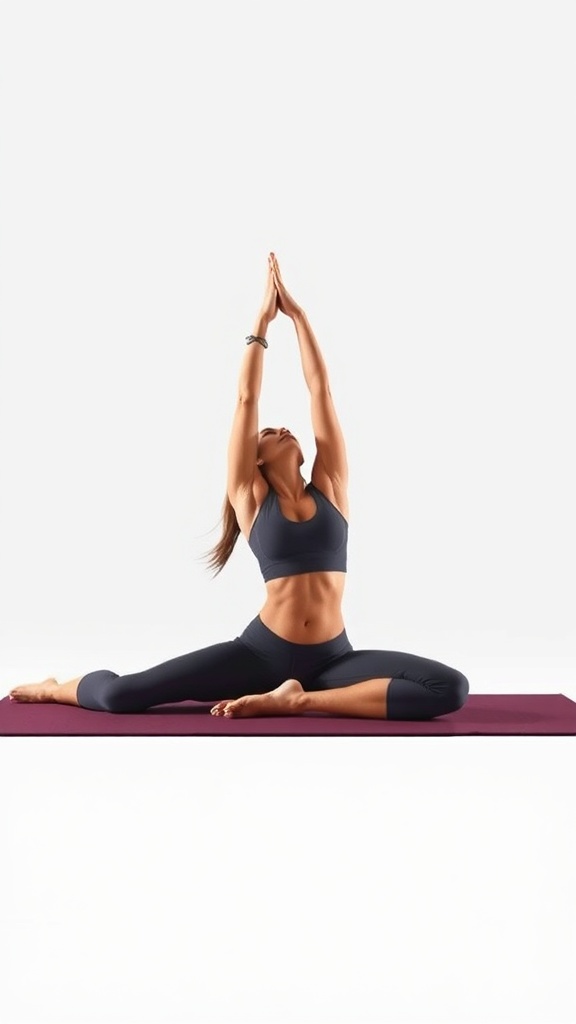
Pilates adapts to a wide range of goals — from rehab and postnatal recovery to athletic cross-training. The most effective approach is consistent practice guided by clear cues and tailored progressions. Prioritize quality of movement, choose instructors who value safety and personalization, and use Pilates as a long-term tool for mobility, resilience, and mindful strength.