Morning Yoga: A Simple, Effective Routine to Boost Energy and Calm the Mind
A short, well-structured morning yoga routine can kickstart energy, sharpen focus, and set a calm tone for the day. Whether you have five minutes or thirty, combining breath, gentle movement, and mindful pauses creates a foundation for better posture, reduced stress, and steady energy levels.
Why morning yoga works
– Breath-first practice activates the nervous system in a balanced way: slow, conscious breathing calms the mind while energizing the body.
– Dynamic sequences increase circulation, loosen tight muscles, and wake up the core—important for people who sit for long periods.
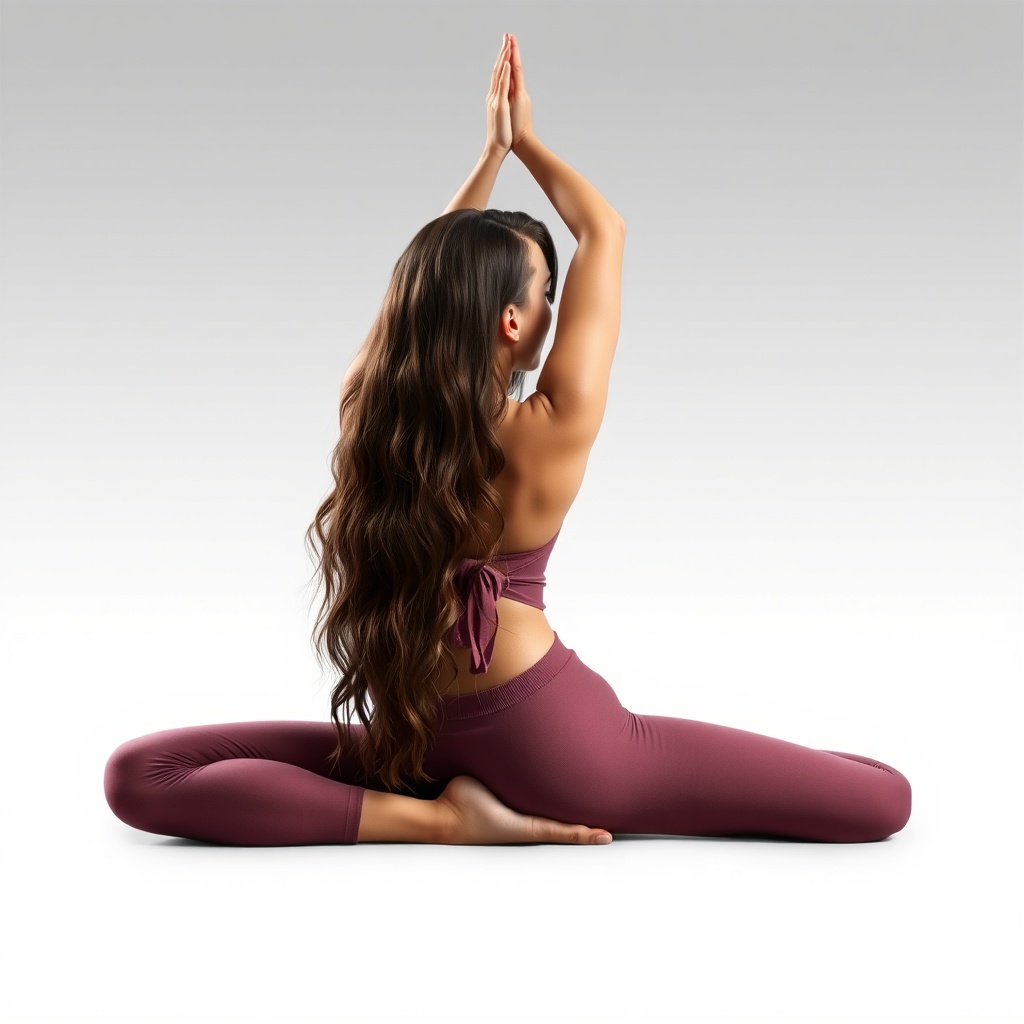
– Intention-setting and mindful movement help regulate stress hormones and improve mental clarity for hours afterward.
A practical 15-minute routine
This approachable sequence requires no special equipment—just a mat and comfortable clothing. Move slowly, matching breath to motion, and modify as needed.
1. Centering and breath (1–2 minutes)
– Sit cross-legged or kneel. Close your eyes and take 6–8 slow, even breaths.
– Try box breathing: inhale for 4 counts, hold 4, exhale 4, hold 4. Repeat twice.
– Set a simple intention for the session (breathe, focus, or one word).
2. Gentle neck and shoulder release (1–2 minutes)
– Drop the right ear to the right shoulder, inhale center, left ear to left shoulder. Repeat slowly.
– Roll shoulders forward and back 5 times each to release upper-back tension.
3.
Cat-Cow (1–2 minutes)
– Come to all fours. Inhale, lift the chest and tailbone (Cow). Exhale, round spine and tuck chin (Cat).
– Move with breath for 8–10 cycles to mobilize the spine.
4. Sun Salutation A (3–5 minutes)
– From standing, inhale arms overhead, exhale fold forward, inhale lift halfway, exhale step back to plank, lower slowly or jump back, inhale to upward dog or cobra, exhale to downward dog. Pause for 5 breaths.
– Walk or jump forward, inhale lift halfway, exhale fold, inhale rise. Repeat 2–3 rounds at a comfortable pace.
5. Standing balance and strength (2–3 minutes)
– From mountain pose, shift weight to left leg, lift right knee for a standing balance (or tree pose). Hold 3–5 breaths, then switch.
– Add warrior II to build leg strength and open hips—hold for 4 breaths each side.
6. Hip openers and low-back relief (2–3 minutes)
– From tabletop, thread the needle: slide right arm under left and rest right shoulder/temple, hold 4 breaths.
Switch.
– Move into a low lunge with back knee down—sink hips gently to release hip flexors.
7. Gentle forward fold and grounding (1–2 minutes)
– From standing, fold forward and sway gently to release hamstrings.
Walk hands back to a seated position.
8.
Short savasana or seated meditation (1–3 minutes)
– Lie down or sit comfortably.
Focus on breath, letting the body absorb the practice. Return slowly and carry the calm into your day.
Accessibility and modifications
– Use blocks under hands in forward folds or lunges to reduce strain.
– Practice seated or in a chair for balance challenges or limited mobility.
– Shorten or omit poses that cause pain; prioritize pain-free movement.
Safety tips
– Avoid forcing depth in twists or forward folds. Move within a comfortable range.
– If you have specific medical concerns or recent injuries, check with a healthcare provider before starting a new practice.
– Focus on steady breath and alignment rather than intensity—consistency yields more benefit than occasional extremes.
How often to practice
– Aim for short daily sessions or 3–5 times per week. Even 10 minutes most days builds momentum and resilience faster than sporadic long sessions.
To get started, choose a quiet spot, roll out your mat, and commit to just one round. Small, consistent steps in the morning create powerful, lasting changes in energy, posture, and stress management.