Why breathwork, accessibility, and wearable tech are shaping modern yoga
Yoga continues to evolve beyond studio classes, blending traditional breath-and-movement practices with modern needs like stress management, workplace ergonomics, and accessible options for all bodies. Whether you’re a curious beginner or a steady practitioner, understanding these trends helps you get more consistent benefits without overdoing the physical side.
Breath first: the quickest way to calm the nervous system
Breathwork is central to yoga’s impact on stress and focus. Simple, intentional breathing lowers heart rate and shifts the nervous system toward rest. Two practical techniques work well anywhere:
– Box breathing: inhale for a count, hold, exhale for the same count, hold, repeat for several rounds to steady the mind.
– Slow diaphragmatic breathing: allow the belly to expand on the inhale and soften on the exhale to engage the vagus nerve and reduce anxiety.
Practice these for two to five minutes between meetings or before sleep to notice faster changes in mood and clarity.
Accessible yoga: making practice inclusive
Accessibility is a major focus: chair yoga, restorative sequences, and trauma-informed approaches remove barriers for people with limited mobility, chronic pain, or anxiety about movement.
Key principles for safe, inclusive practice:
– Offer multiple entry points for every pose (props, partial range of motion, and guided options).
– Emphasize consent and bodily autonomy—invite choice rather than mandate alignment.
– Use language that focuses on function and sensation (e.g., “find comfort in the shoulder”) rather than strict aesthetic cues.
Short, consistent sessions—10 to 20 minutes—often deliver better outcomes than infrequent long practices, especially for busy schedules or recovery programs.
Desk-friendly yoga: quick routines for posture and focus
Prolonged sitting affects posture and circulation. Try this 5-minute desk sequence to reset:
1.
Neck rolls and gentle side stretches (30–60 seconds).
2.
Seated cat-cow: inhale to arch, exhale to round, moving with breath (1–2 minutes).
3.
Chest opener: interlace fingers behind the back and lift gently (30 seconds).
4. Seated twist: rotate from the torso, maintain length in the spine (30 seconds each side).
5.
Wrist stretches and finger flexes to relieve tech tension (30 seconds).
Combine with diaphragmatic breaths to enhance the calming effect.
Technology and wearables: guidance and biofeedback
Wearables and apps are increasingly used to support practice. Heart rate variability (HRV), guided breathing cues, and posture reminders bring measurable feedback to yoga sessions. Use tech mindfully: let data inform your practice rather than dominate it. If tracking creates pressure, scale back to minimal prompts (e.g., a daily reminder to breathe and move).
Trauma-informed and therapeutic approaches
Many teachers are trained in trauma-informed methods that prioritize safety, predictability, and choice. This approach avoids hands-on adjustments unless explicitly invited, uses neutral, invitational language, and provides options to opt out. For those with a trauma history or mental health concerns, seek instructors experienced in trauma-sensitive practices or work with a clinician who integrates somatic tools.
Practical tips for a sustainable yoga habit
– Start small: build a daily 5–15 minute ritual rather than waiting for long blocks of time.
– Use props: straps, blocks, and bolsters expand accessibility and protect joints.
– Set an intention: a short focus word or breath technique guides the mind and makes practice more consistent.
– Prioritize recovery: restorative sessions and gentle breathwork are as important as vigorous flows.
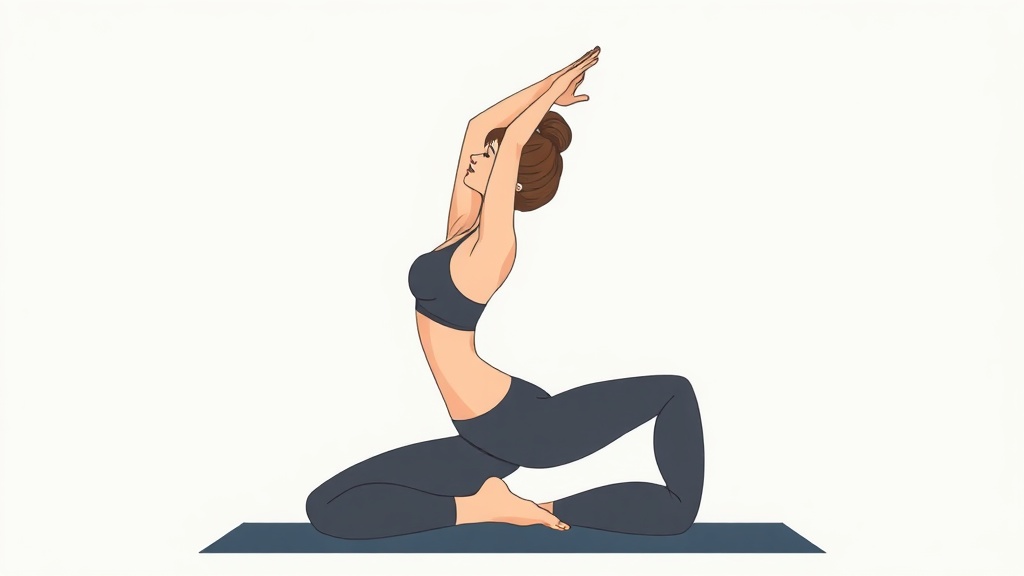
Yoga remains a flexible toolkit for resilience, mobility, and calm—adapt it to your body, schedule, and needs.
Try one small change today and notice how it shifts energy and focus over the coming weeks.