TRAINING NOTES / FIELD GUIDE
Why Pilates Is Booming: Studio Openings, Gym Expansions, and How to Choose Your Class
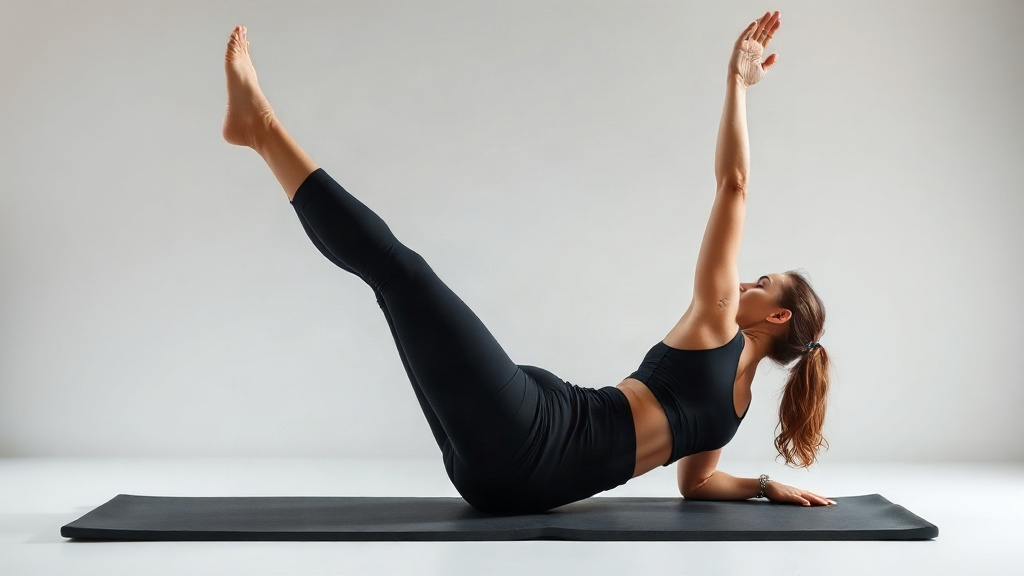
Pilates has moved well beyond its reputation as a niche studio workout. Look at the headlines this week and a clear pattern emerges: new boutique studios are opening in suburban communities, reformer-focused venues are pairing classes with recovery spaces, and large gym chains are expanding their Pilates schedules alongside other trending formats. Whether you are a longtime practitioner or simply curious, it is worth understanding why this method keeps growing.
Why Pilates Keeps Gaining Momentum
Joseph Pilates developed his method on the principle of controlled, precise movement built around core strength, alignment, and breath. That philosophy fits today's fitness priorities remarkably well. Many people are shifting away from punishing, high-impact routines and toward training that supports longevity, posture, and injury prevention.
Pilates delivers on all three. It strengthens deep stabilizing muscles, improves flexibility, and encourages body awareness, all with relatively low joint stress. That makes it appealing to office workers dealing with stiff backs, runners looking to balance their training, and older adults who want to stay strong and mobile.
Local Studios Are Meeting Rising Demand
Community-level news shows how widespread the trend has become. In McKinney, Texas, Calibrate Pilates Studio has just begun offering classes, adding to the growing number of boutique options in suburban areas. Meanwhile, a new reformer Pilates studio with a dedicated recovery zone has opened in Gainsborough in the UK.
The second example is especially telling. Pairing reformer classes with recovery services reflects a broader wellness model in which movement and restoration sit side by side. Members are no longer just booking a workout; they are building a routine that includes mobility, stretching, and rest.
Big-Box Gyms Are Joining In
Boutique studios are not the only players. Athletech News reports that EoS Fitness opened 11 new gyms in the third quarter and is expanding its Pilates and Hyrox offerings. The combination is revealing. Hyrox, the structured fitness race format, attracts people who love measurable challenges, while Pilates serves those who want strength with control and lower impact.
Seeing both under one roof suggests that members increasingly mix intense training with mindful, technique-focused sessions. For gym operators, Pilates also helps attract a broader audience, including people who may have felt intimidated by traditional weight floors.
Mat vs. Reformer: Which Should You Try?
If you are new to Pilates, the first decision is often between mat and reformer classes.
- Mat Pilates uses body weight and minimal equipment. It is accessible, affordable, and a great way to learn foundational principles like pelvic positioning and breathing. - Reformer Pilates uses a sliding carriage, springs, and straps to add resistance or support. It can feel more dynamic, and it allows for a wide range of adjustments for different bodies and goals.
Neither is better across the board. Many instructors recommend starting with a few beginner-level sessions of either style to learn the basics before moving into more advanced classes.
Tips for Choosing a Studio
With so many new options appearing, it helps to know what to look for:
- Instructor qualifications: Look for comprehensive certification and experience working with different fitness levels or injuries. - Class size: Smaller groups generally allow for more personal correction and feedback. - Beginner pathways: A good studio offers introductory classes or orientation sessions. - Atmosphere: Visit or try a trial class to see whether the environment feels welcoming and motivating. - Scheduling and pricing: Consistency matters more than intensity, so choose a plan you can realistically maintain.
What to Expect From a Consistent Practice
Pilates rewards patience. Most people notice better posture and improved body awareness within a few weeks of regular practice, while greater strength and flexibility tend to build over months. Attending two or three sessions per week is a common goal, and it pairs well with walking, strength training, or cycling.
Anyone with an existing injury, pregnancy, or medical condition should speak with a healthcare professional before starting and let the instructor know about any limitations.
A Fitness Trend With Staying Power
The steady stream of new studio openings and gym expansions shows that Pilates is no passing fad. Its focus on quality of movement, sustainable strength, and recovery matches what many people want from fitness today. If a new studio has opened near you, a beginner class may be the easiest way to find out why so many people are making the switch.