Smart fitness gear helps you train smarter, stay safer, and get more from every session. Whether you work out at home, in the park, or at a gym, choosing the right equipment makes the difference between progress and plateau. Here’s a practical guide to gear that’s worth investing in and how to pick items that last.
Core pieces for versatile training
– Adjustable dumbbells: Replace multiple fixed weights with a single compact set.
Look for smooth adjustment mechanisms, solid construction, and a comfortable handle. They’re ideal for strength training in limited space.
– Resistance bands: Lightweight and portable, bands scale intensity by thickness and length.
Use them for warm-ups, mobility work, and adding resistance to bodyweight movements. Choose latex-free options if you’re sensitive to materials.
– Kettlebell or sandbag: For dynamic, power-based moves, kettlebells are excellent. Sandbags offer unpredictable load shifts that build stabilizer muscles—useful for functional conditioning.
– Stability tools: A good yoga mat, foam roller, and balance pad support recovery and mobility work, reducing injury risk and improving movement quality.
Wearables and smart gear that matter
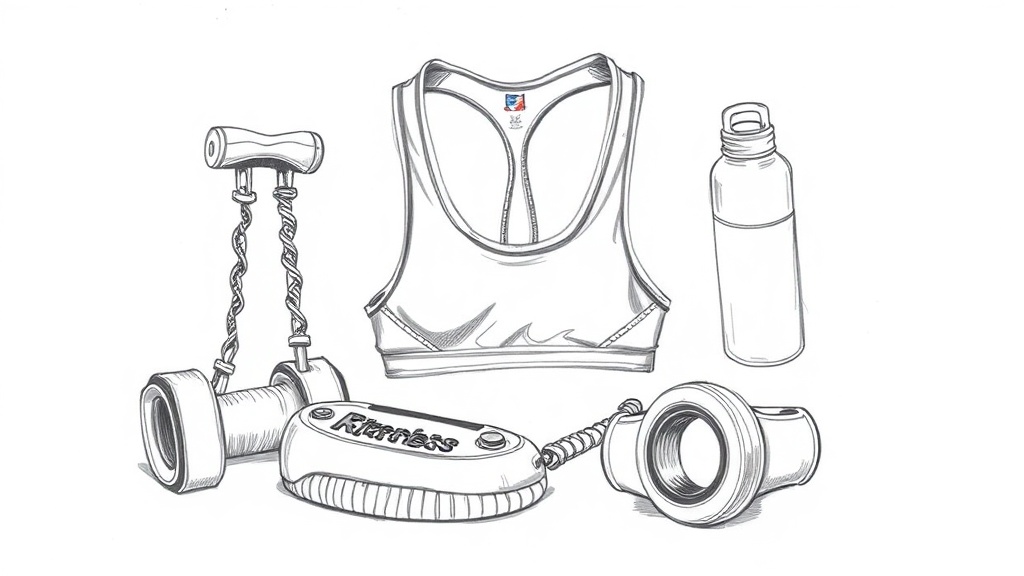
Wearable trackers and smart scales provide useful feedback when used consistently.
Prioritize devices that track metrics you actually use—heart rate, training load, and sleep—rather than chasing every new metric.
Battery life, ease of syncing with apps, and comfort are key factors. For headphones, choose sweat-resistant, low-latency options that stay secure during high-movement workouts.
Recovery gear you’ll use regularly
– Percussion massagers: Useful for short pre- or post-workout sessions to reduce muscle tightness. Pick one with multiple intensity levels and interchangeable heads.
– Compression sleeves or garments: They can help with circulation during long sessions or travel. Fit and fabric quality determine effectiveness.
– Cold and heat therapy tools: Reusable ice packs and microwavable heat pads are simple, effective tools for acute management of soreness.
Footwear and apparel basics
Shoes should match the activity—stability shoes for lifting, cushioned running shoes for distance, and cross-trainers for mixed workouts.
Avoid a one-size-fits-all approach; footwear that supports movement mechanics reduces injury risk.
For apparel, prioritize moisture-wicking fabrics and durability.
Seams, waistband quality, and reinforced stitching reveal true value beyond flashy marketing.
Sustainability and durability
More brands are offering eco-friendly materials and repairable designs. Durable gear pays off: a higher upfront cost for well-made equipment often beats frequent replacement. Look for warranties, replaceable parts, and transparent material sourcing when comparing products.
Buying tips and maintenance
– Try before you buy when possible—comfort and fit matter more than specs.
– Read reviews focused on longevity and real-world use, not just marketing claims.
– Maintain gear: wipe down electronics and fabrics, store dumbbells and bands away from direct sunlight, and inspect moving parts periodically.
– Prioritize safety: check for frayed bands, loose screws, or degraded padding regularly.
Budget-friendly upgrades
Small purchases can yield big returns—quality jump rope, foam roller, or a pair of comfortable trainers elevate workouts without breaking the bank.
Combine a few versatile items for a complete home setup that supports strength, cardio, and mobility.
Choosing the right fitness gear is about matching tools to goals, space, and consistency. Invest in items you’ll use often, maintain them well, and prioritize function over novelty to build a setup that keeps you moving and improving.