Cardiovascular health is one of the most important determinants of long-term wellbeing.
Small, consistent changes to daily habits can sharply lower the chance of heart attack, stroke, and other vascular problems. This guide highlights practical strategies that help people protect and strengthen their heart now and for the future.
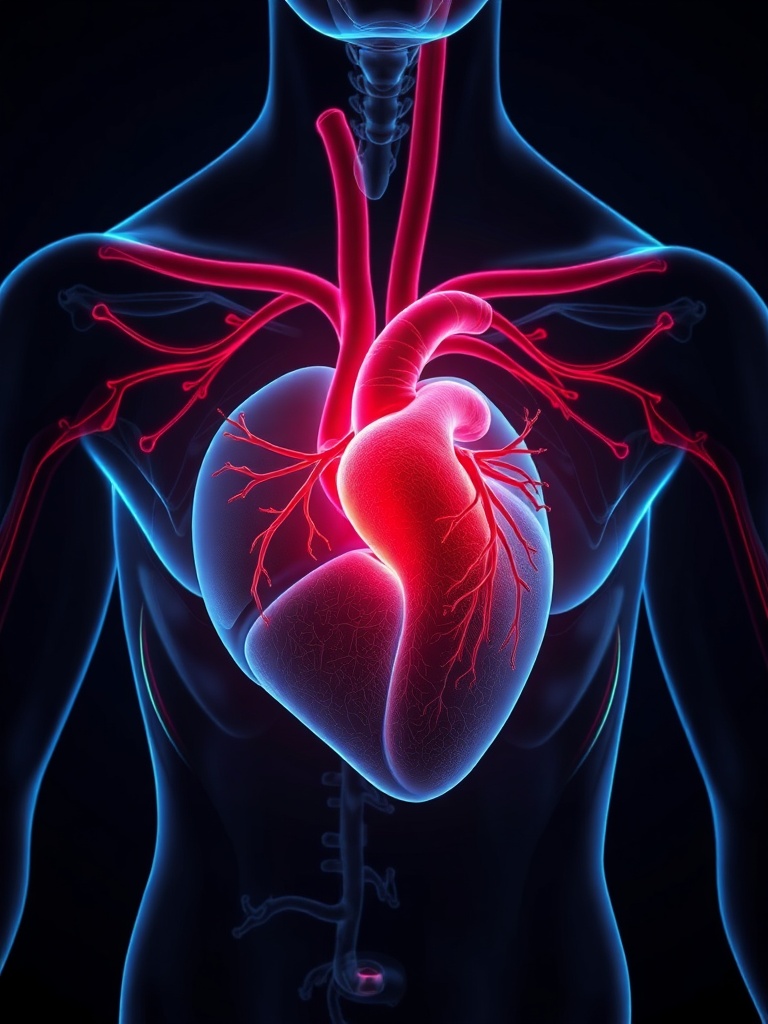
Everyday habits that protect the heart
– Follow a heart-healthy eating pattern: Emphasize vegetables, fruits, whole grains, legumes, nuts, seeds and healthy fats like olive oil. Diets patterned after the Mediterranean or DASH approaches are linked to lower cardiovascular risk.
Limit processed foods, added sugars, and trans fats; reduce excess sodium by cooking at home and using herbs and citrus for flavor.
– Move regularly: Aim for at least 150 minutes of moderate aerobic activity per week or 75 minutes of vigorous activity, plus two sessions of strength training. Even short bouts of brisk walking, stair climbing, or active breaks during the day add up and improve blood pressure, cholesterol, and glucose control.
– Maintain a healthy weight: Losing modest weight if overweight improves blood pressure, cholesterol and insulin sensitivity.
Focus on sustainable dietary shifts and consistent activity rather than quick fixes.
– Stop smoking and limit alcohol: Smoking is a major, avoidable risk factor.
Quitting yields immediate cardiovascular benefits. If you drink alcohol, follow recommended moderation guidelines and speak with your clinician about what’s appropriate for you.
Know your numbers
Regular screening and awareness of key biomarkers matter. Track blood pressure, cholesterol (including LDL), blood sugar (or HbA1c), and body mass index or waist circumference. Many clinicians recommend tighter blood pressure control for higher-risk individuals, so discuss target ranges and treatment options with a provider. Medication adherence—when drugs like statins or antihypertensives are prescribed—makes a large difference in preventing events.
Sleep, stress and mental health
Quality sleep and stress management are often overlooked but critical. Aim for consistent, restorative sleep and address sleep apnea if present, since untreated sleep disorders raise cardiovascular risk. Use stress-reduction techniques such as mindfulness, regular exercise, social connection, and structured time off to lower chronic stress and its harmful hormonal effects.
Technology and monitoring
Wearable devices and home blood pressure monitors can support lifestyle change and early detection of problems. Many wearables track heart rate trends and can flag irregular rhythms that warrant evaluation. These tools are helpful for monitoring, but they do not replace clinical assessment—abnormal readings should prompt professional follow-up.
Recognize emergency signs
Act quickly if you or someone else shows signs of heart attack—chest discomfort or pressure, shortness of breath, nausea, or pain spreading to arm/jaw—or stroke—sudden facial droop, arm weakness, speech difficulty. Faster treatment saves heart and brain tissue and improves outcomes.
Takeaway steps
Get regular checkups, know your family history, adopt a whole-foods approach to eating, keep active, manage stress and sleep well, avoid tobacco, and follow prescribed treatments. Small, consistent choices compound into significant protection for your heart. If you have questions about personalized targets or treatments, contact your healthcare team to create a tailored plan.