Pilates: Practical Benefits, Types, and How to Get Started
Pilates has grown beyond a boutique trend to become a reliable method for improving posture, core strength, and movement efficiency. Whether you’re recovering from an injury, complementing athletic training, or looking for low-impact exercise that builds long, resilient muscles, Pilates offers tools and techniques that fit many goals.
What Pilates does for the body
Pilates emphasizes controlled movement, precise alignment, and breath coordination.
Primary benefits include:
– Improved core stability: Deep abdominal and pelvic floor engagement supports the spine and reduces back pain.
– Better posture and alignment: Focused cues help correct habitual positions that cause strain.
– Enhanced flexibility and joint mobility: Exercises lengthen muscles while building strength in functional ranges.
– Efficient movement patterns: Coordination of breath and motion improves daily activities and athletic performance.
– Low-impact conditioning: Suitable for many fitness levels and those managing chronic conditions.
Types of Pilates and how they differ
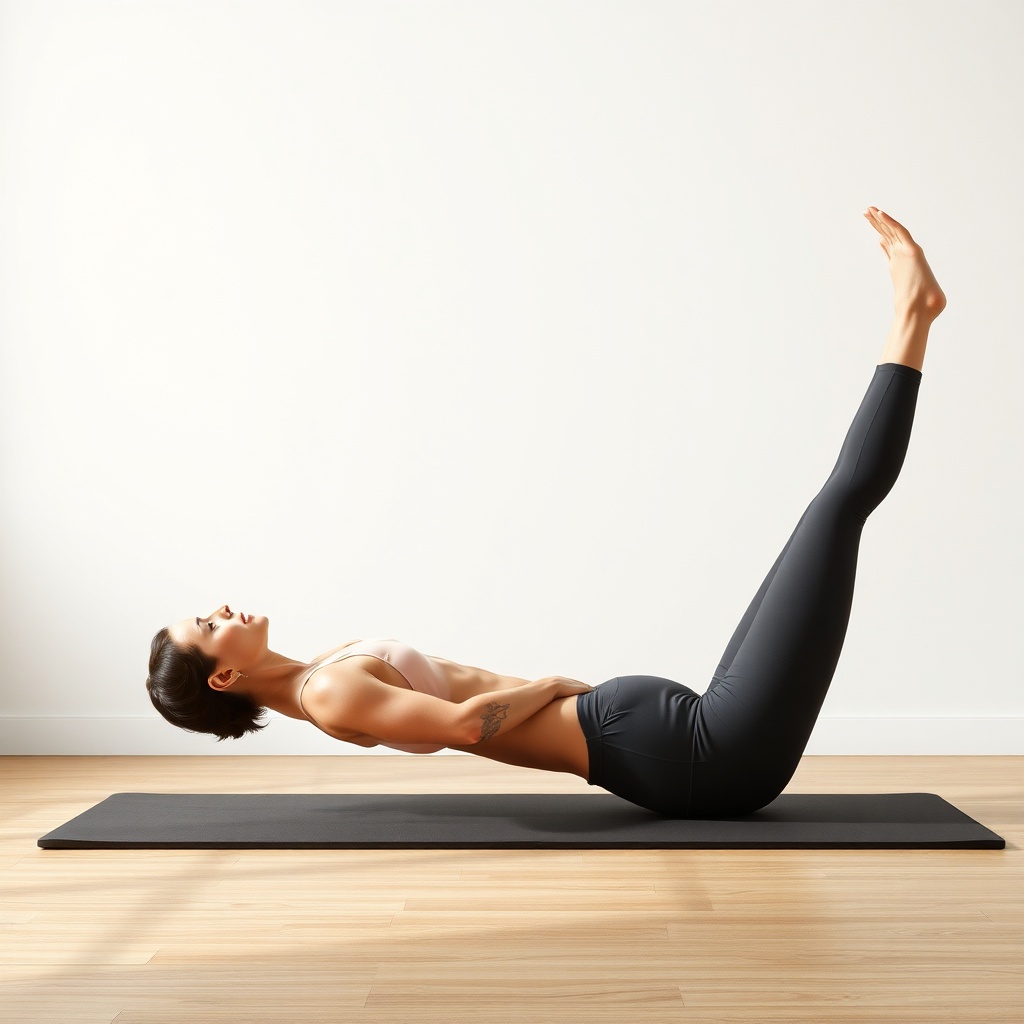
Mat Pilates: Performed on the floor using body weight and small props.
It’s accessible, portable, and excellent for learning foundational principles like breathing, pelvic alignment, and neutral spine.
Reformer Pilates: Uses a spring-loaded carriage and straps to add resistance and assist movement. Reformer work allows precise load management and a wider variety of progressions for strength, balance, and mobility.
Other apparatus: Cadillac, Wunda Chair, and Barrels provide unique challenges for balance, stability, and range-of-motion training. These are commonly found in studio settings.
Who benefits most
Pilates suits a wide range of people:
– Beginners seeking a safe, low-impact start
– Those rehabbing from non-acute injuries or chronic back pain
– Athletes wanting to address imbalances and improve movement economy
– Older adults aiming to maintain mobility and reduce fall risk
– People looking for mindful, guided movement that reduces stress on joints
How to start and progress safely
Start with beginner mat classes or private sessions to learn core cues and breathing patterns. Progression should prioritize control over repetition; the goal is precise, efficient movement rather than high volume. When transitioning to reformer or advanced apparatus, work with a certified instructor who can tailor resistance, alignment cues, and regressions.
Practical tips for better results
– Focus on breath and timing: Inhale to prepare, exhale to execute stable, controlled movement.
– Quality over quantity: Fewer, well-controlled repetitions create better neuromuscular adaptation than rushing through many.
– Integrate daily movement: Short Pilates-inspired sessions can offset prolonged sitting and reinforce posture.
– Communicate with instructors: Share injury history or movement limitations so they can provide modifications.
– Cross-train smartly: Complement Pilates with cardio and functional strength work for balanced fitness.
Choosing a class or instructor
Look for instructors certified through reputable programs and who prioritize assessment and individualized progressions. Trial classes and studio visits help determine if the teaching style matches your needs—some instructors emphasize therapeutic alignment while others focus on athletic conditioning.
Final thought
Pilates is an adaptable method that supports strength, flexibility, and mindful movement. Consistent practice, thoughtful progression, and guidance from a skilled instructor unlock the most benefit, helping practitioners move better, recover wisely, and feel more resilient in daily life.