Pilates isn’t just a fitness fad — it’s a movement system that builds control, flexibility, and resilience from the inside out. Whether you want improved posture, injury prevention, or a more efficient workout routine, Pilates offers tools that fit a range of goals and fitness levels.
Why Pilates works
Pilates emphasizes breath, alignment, core connection, and controlled movement. Exercises develop muscular endurance and neuromuscular coordination rather than relying solely on heavy loading. That focus on quality of movement translates to better posture, reduced back pain, enhanced athletic performance, and smoother daily movement patterns.
Styles and equipment
– Mat Pilates: Uses bodyweight and small props (bands, magic circle, foam rollers) to challenge stability and mobility.
Great for beginners and home workouts.
– Reformer Pilates: Uses a spring-loaded carriage to add resistance and support, allowing for precise progressions and effective rehabilitation.
– Tower/Cadillac and Chair work: Provide vertical and multi-plane resistance for advanced strength and mobility training.
– Hybrid classes: Many studios blend Pilates with barre, functional strength, or low-impact cardio for varied training.
What to look for in a class or instructor
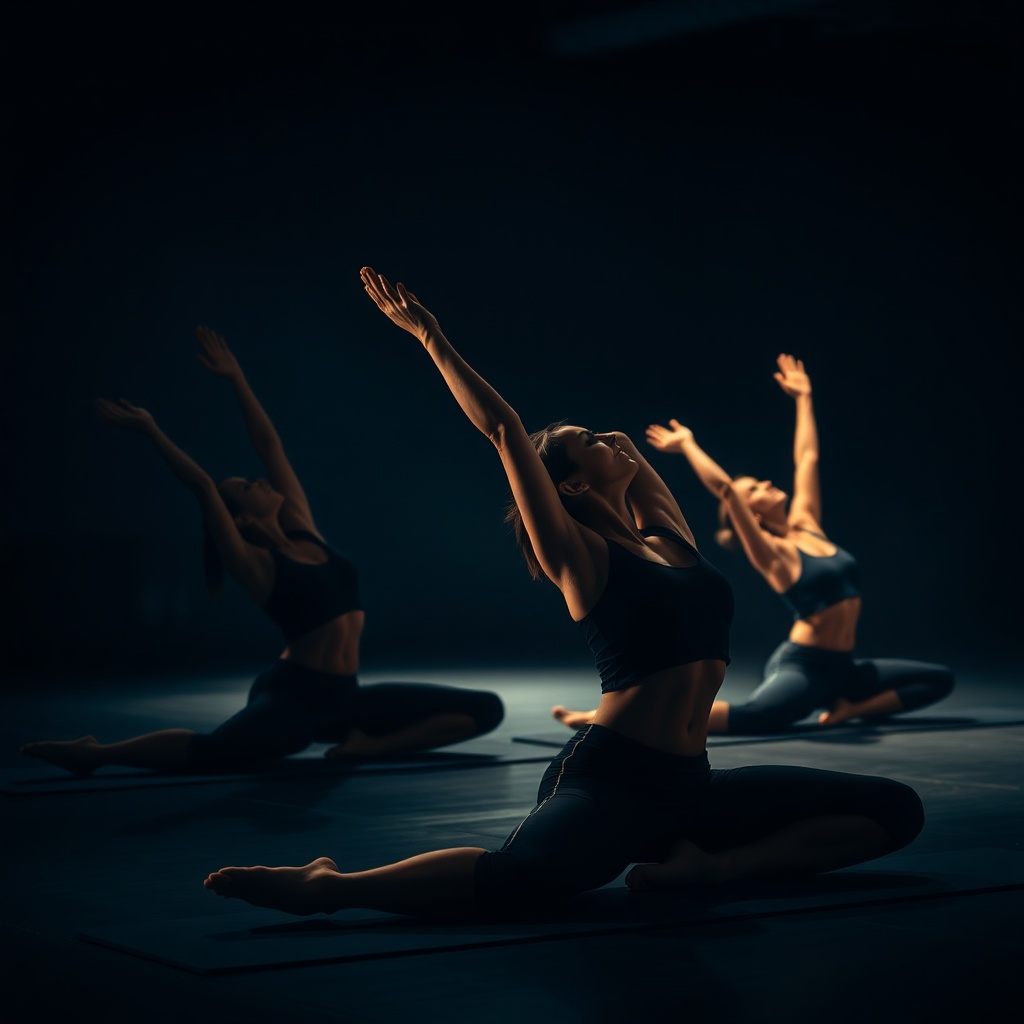
Choosing the right instructor matters.
Look for:
– Recognized certifications from established programs (examples include Balanced Body, STOTT, Polestar, BASI) and ongoing professional development
– Clear progressions and individualized modifications
– Small class sizes or private sessions for technical feedback
– Clean, well-maintained equipment and a focus on safety
Key benefits backed by practice
– Core stability and spine health: Emphasis on coordinated breath and core engagement helps support the lumbar spine and reduce chronic back discomfort.
– Functional strength and mobility: Pilates trains movement patterns used in daily life, improving balance and joint range of motion.
– Rehabilitation-friendly: Low-impact, controlled exercises can be tailored for recovery from injuries when guided by a qualified instructor.
– Mind–body awareness: Slow, focused movement enhances proprioception and movement efficiency.
Practical tips for beginners
– Focus on breath: Inhale to prepare; exhale to initiate movement. Coordinated breathing supports core engagement and reduces unnecessary neck tension.
– Start slow and prioritize form: Controlled repetitions with clean alignment are more effective than many fast, sloppy reps.
– Use support when needed: Reformer springs or props can offload joints and help you build strength safely.
– Wear grippy socks and comfortable clothing that allows full movement.
– Communicate medical issues: Let your instructor know about surgeries, pregnancies, or joint problems so exercises can be modified.
Sample short beginner sequence (mat)
– Pelvic curl (10 reps): Articulate the spine while exhaling to lift, inhale to lower slowly.
– Single-leg stretch (8–10 reps each side): Maintain a stable pelvis and avoid tugging at the neck.
– Spine twist supine or seated (6–8 reps each side): Move with control, keeping shoulders neutral.
Common mistakes to avoid
– Letting the neck or shoulders do the work — keep the neck long and shoulders down.
– Holding breath during effort — breathe rhythmically with each movement.
– Rushing through exercises — quality over quantity produces better outcomes.
Pilates integrates with other training and daily life. It complements strength work, running, yoga, and sports by enhancing movement quality and reducing injury risk. Start with a few guided sessions, practice consistency, and progress gradually — the payoffs are long-lasting strength, improved posture, and smarter movement patterns that carry into every day.