Gut-Friendly Nutrition: How to Feed Your Microbiome for Better Health
The community of microbes living in the gut influences digestion, immunity, mood, and metabolic health. Supporting that microbiome with food is one of the most effective, accessible steps anyone can take to improve overall wellness. Here’s a practical, science-forward guide to eating for a resilient, diverse gut.
Focus on dietary diversity
A diverse diet feeds a diverse microbiome.
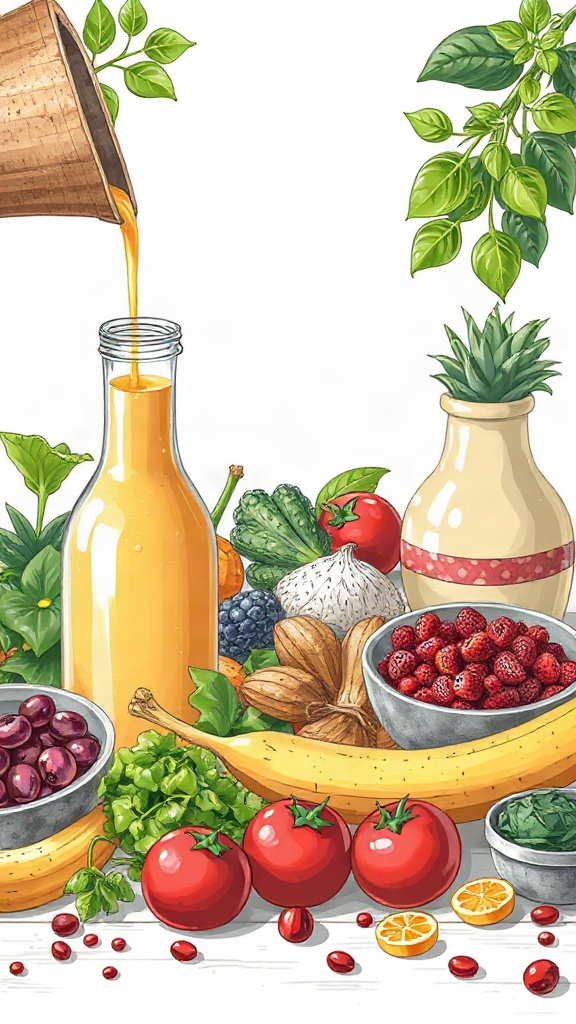
Aim to regularly include a wide range of whole plant foods—vegetables, fruits, whole grains, legumes, nuts, and seeds. Try to “eat the rainbow” across meals and rotate foods week to week. Different microbes specialize in different fibers and polyphenols, so variety helps build a robust ecosystem.
Prioritize fiber and prebiotics
Fiber is the primary fuel for beneficial gut bacteria. Aiming for a daily target around 25–38 grams helps most people, though individual needs vary. Prebiotic fibers—found in onions, garlic, leeks, asparagus, bananas, oats, and chicory root—specifically promote growth of helpful species like bifidobacteria. Increase fiber gradually and pair it with plenty of water to minimize bloating.
Include fermented foods and consider probiotics
Fermented foods introduce living cultures that can temporarily enrich gut populations and enhance microbial activity.
Yogurt with live cultures, kefir, sauerkraut, kimchi, tempeh, and certain pickles are good options. Probiotic supplements can be useful for targeted situations (for example, after a course of antibiotics or for specific GI complaints), but strain-specific effects matter—look for products with clinically studied strains and consult a healthcare provider if unsure.
Embrace polyphenol-rich foods
Polyphenols—plant compounds found in berries, apples, cocoa, green tea, coffee, and many spices—act as prebiotic-like substrates and help support beneficial microbes.
They also have anti-inflammatory and antioxidant effects that benefit the gut lining. Adding a cup of berries, a serving of dark chocolate, or a daily green tea can contribute meaningful polyphenols.
Limit ultra-processed foods and excess sugar
Highly processed foods, artificial sweeteners, and diets heavy in refined sugars can reduce microbial diversity and promote the growth of less favorable bacteria.
Prioritize minimally processed whole foods and use packaged items sparingly. When choosing convenience foods, check ingredient lists for added sugars, emulsifiers, and other additives that may influence gut health.
Practical meal ideas
– Breakfast: Oat porridge topped with banana, chopped nuts, and a spoonful of fermented yogurt.
– Lunch: Mixed greens with roasted chickpeas, sautéed onions and garlic, quinoa, avocado, and a lemon-olive oil dressing.
– Snack: Apple slices with almond butter or a small serving of kimchi with rice crackers.
– Dinner: Baked salmon or tempeh, steamed asparagus, and a side of barley or farro with herbs.
Mind the transitions and antibiotics
When changing fiber intake or introducing fermented foods, increase gradually to let the microbiome adapt. If antibiotics are necessary, focus afterward on replenishing diversity—plenty of fiber, fermented foods, and a conversation with a clinician about whether a targeted probiotic makes sense.
Personalize and seek expert input when needed
Everyone’s microbiome is unique. Persistent digestive symptoms, significant weight changes, or concerns about nutrient absorption warrant evaluation by a registered dietitian or physician. They can help tailor a plan based on medical history, lifestyle, and goals.
Small, consistent changes—more plants, more fiber, regular fermented foods, and fewer ultra-processed items—build a gut environment that supports digestion, immunity, and long-term health. Start with one swap per week and build from there to make improvements sustainable and enjoyable.