How to Build a Resilient Gut Microbiome with Food
A balanced gut microbiome supports digestion, immune function, mood, and metabolic health.
While genetics play a role, daily food choices and lifestyle factors have major influence.
Focus on variety, consistency, and simple habits to nourish beneficial microbes and keep your gut ecosystem resilient.
Eat a wide variety of fiber-rich foods
Different gut bacteria feed on different types of fiber. Aim to include several sources every day:
– Fruits and vegetables (leafy greens, berries, apples, onions, garlic)
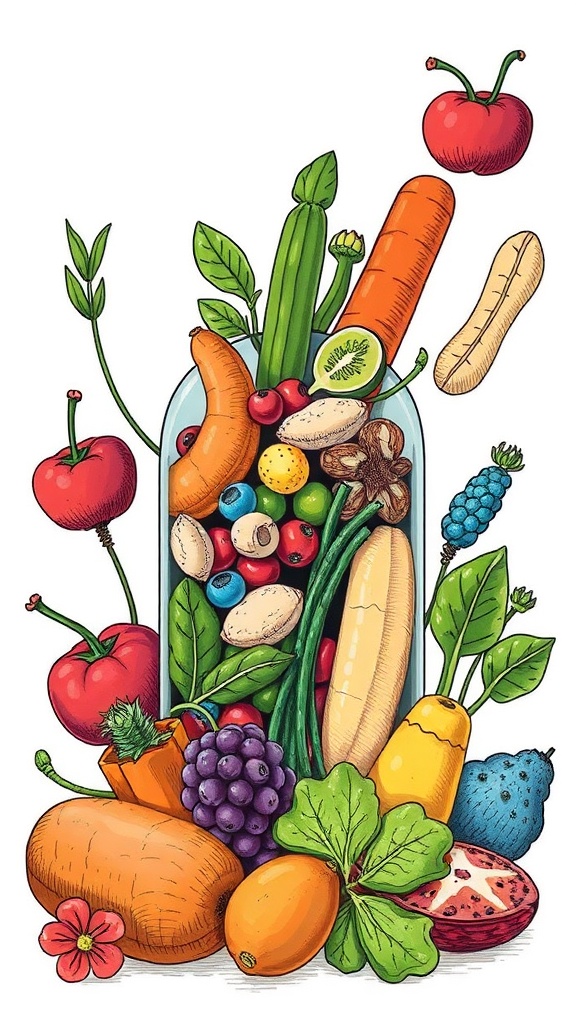
– Whole grains (oats, barley, brown rice)
– Legumes (lentils, chickpeas, beans)
– Nuts and seeds (flax, chia, almonds)
Gradually increase fiber to avoid bloating, and spread intake across meals.
Diversity is more important than hitting a single “magic” number.
Prioritize prebiotics, not just probiotics
Prebiotics are non-digestible fibers that selectively feed beneficial microbes. Foods rich in prebiotics include chicory root (inulin), garlic, onions, leeks, asparagus, bananas, and resistant starch from cooled cooked potatoes or rice. Probiotic foods — like yogurt, kefir, sauerkraut, kimchi, miso, and tempeh — introduce live cultures that can temporarily populate the gut. Both prebiotics and probiotics work best when included regularly as part of a varied diet.
Choose whole, minimally processed foods
A diet high in whole foods supports a more diverse microbiome. Ultra-processed foods high in added sugars, refined oils, and emulsifiers can promote inflammation and reduce microbial diversity.
Swap packaged snacks for whole-food alternatives: fruit, nuts, plain yogurt with berries, or roasted chickpeas.
Include polyphenol-rich foods
Plant polyphenols act like fertilizer for beneficial bacteria. Enjoy coffee, tea, berries, dark chocolate, olives, grapes, and colorful vegetables.
These compounds can encourage growth of helpful strains and help maintain gut barrier health.
Be mindful of antibiotics and medications
Antibiotics can disrupt microbiome balance. Use them when necessary and follow medical guidance. Discuss with your healthcare provider about strategies to support recovery afterward, like returning to a fiber-rich diet and including fermented foods. Some non-antibiotic medications and frequent use of antibacterial products can also affect gut microbes.
Lifestyle habits matter
Gut health isn’t only about food. Regular physical activity, adequate sleep, and stress management support a healthier microbiome. Chronic stress and poor sleep can shift microbial communities in ways that may affect inflammation and mood.
Hydration helps fiber move through the digestive tract, reducing constipation and supporting microbial activity.
Be cautious with supplements
Probiotic supplements can be helpful in certain situations, but their effects vary by strain, dose, and individual. If considering a supplement, choose clinically studied strains and talk with a healthcare professional, especially if you have immune or serious health conditions.
Simple daily plan to support your microbiome
– Start the day with whole-grain oats or fruit
– Add a vegetable to every meal and include legumes several times a week
– Snack on nuts, seeds, or an apple with nut butter
– Include one fermented food serving daily or a few times per week
– Stay hydrated, move your body, and prioritize sleep
If you have persistent digestive symptoms, unexplained weight changes, or chronic fatigue, seek medical advice to rule out underlying issues. For most people, consistent attention to diverse, fiber-rich foods combined with healthy lifestyle habits yields noticeable improvements in digestion, energy, and well-being.