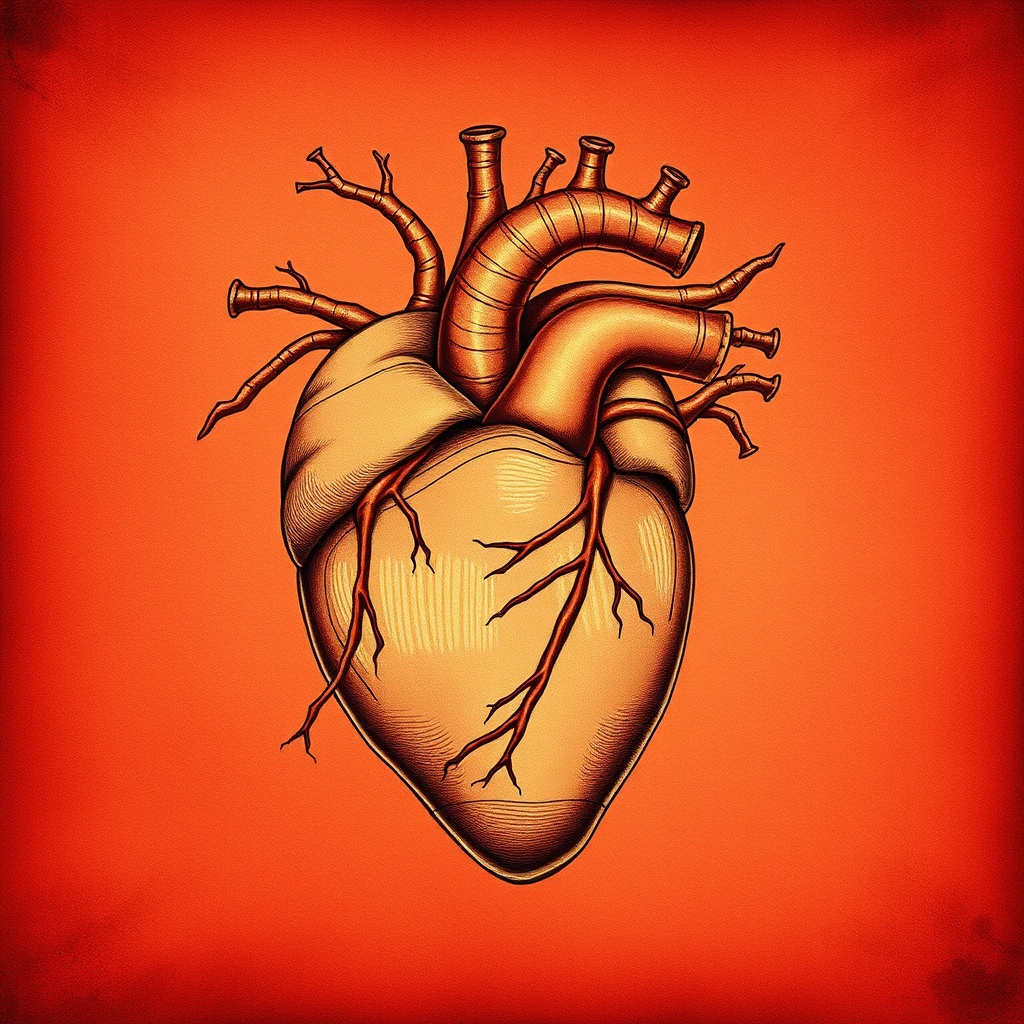
Cardiovascular health is the foundation of long-term well-being.
Hearts that function efficiently support energy, cognition, and daily activity.
Because heart disease often develops silently, focusing on prevention, early detection, and lifestyle adjustments delivers the best return on health investments.
Why prevention matters
High blood pressure, high LDL cholesterol, smoking, physical inactivity, excess weight, and poorly controlled blood sugar are the major drivers of heart disease. Many people feel fine while arterial plaque builds or blood pressure rises, so regular checks and steady habits are essential for lowering risk.
Practical steps that make a measurable difference
– Move more: Aim for at least 150 minutes of moderate aerobic activity per week or 75 minutes of vigorous activity, plus two sessions of strength training.
Walks, cycling, swimming, and HIIT-style workouts all contribute to improved cardiovascular fitness and lower blood pressure.
– Follow a heart-friendly eating pattern: A Mediterranean-style diet—rich in vegetables, fruits, whole grains, legumes, nuts, fish, and healthy oils—supports healthy cholesterol and reduces inflammation. Limit processed foods, sugary beverages, and excess sodium.
– Manage weight and waist circumference: Even modest weight loss improves blood pressure, lipid profiles, and insulin sensitivity. Focus on sustainable habits rather than quick fixes.
– Quit smoking and limit alcohol: Stopping tobacco use is one of the single most impactful actions for heart health.
If you drink, keep intake moderate; heavy drinking increases blood pressure and cardiomyopathy risk.
– Prioritize sleep and stress management: Poor sleep and chronic stress raise cardiovascular risk.
Aim for consistent sleep patterns and use evidence-based techniques—mindfulness, cognitive strategies, or counseling—to manage stress.
Screening and medical strategies
Regular screening is key: get blood pressure checks, lipid panels, and glucose or A1c testing as recommended by your clinician.
When lifestyle changes aren’t enough, medications such as blood-pressure drugs, statins, or glucose-lowering therapies reduce the risk of heart attack and stroke. Newer classes of medications have emerged that also offer cardiovascular benefits for people with specific conditions; discuss the best options with your healthcare provider.
Know the warning signs
Recognizing acute symptoms and acting quickly saves lives. Symptoms of a heart attack can include pressure or pain in the chest, shortness of breath, lightheadedness, nausea, or discomfort radiating to the jaw, neck, or arm. Signs of stroke include sudden weakness on one side, confusion, trouble speaking, vision problems, or loss of balance. If any of these occur, seek emergency medical help immediately.
Technology and monitoring
Wearable devices have become useful tools for heart health monitoring.
Many can track heart rate, detect irregular rhythms such as atrial fibrillation, and encourage activity. These devices don’t replace medical evaluation but can prompt timely follow-up when abnormalities appear.
Small changes, big results
The most powerful cardiovascular improvements come from sustained, small habits—better sleep, a daily walk, an extra serving of vegetables, medication adherence, and routine health checks. Partnering with your clinician to set personalized targets for blood pressure, cholesterol, and blood sugar creates a roadmap for long-term heart health.
If you’re unsure where to start, schedule a preventive visit. Simple tests and a clear plan can reduce your risk and help you feel more in control of your heart health.