Choosing the right fitness gear can transform workouts, reduce injury risk, and keep motivation high. With wearable tech, compact home equipment, and an increasing push toward sustainable materials, shoppers have more options than ever. Use this guide to pick gear that matches your goals, space, and budget.
Define your goal first
Clarity on what you want to achieve makes buying decisions simple:
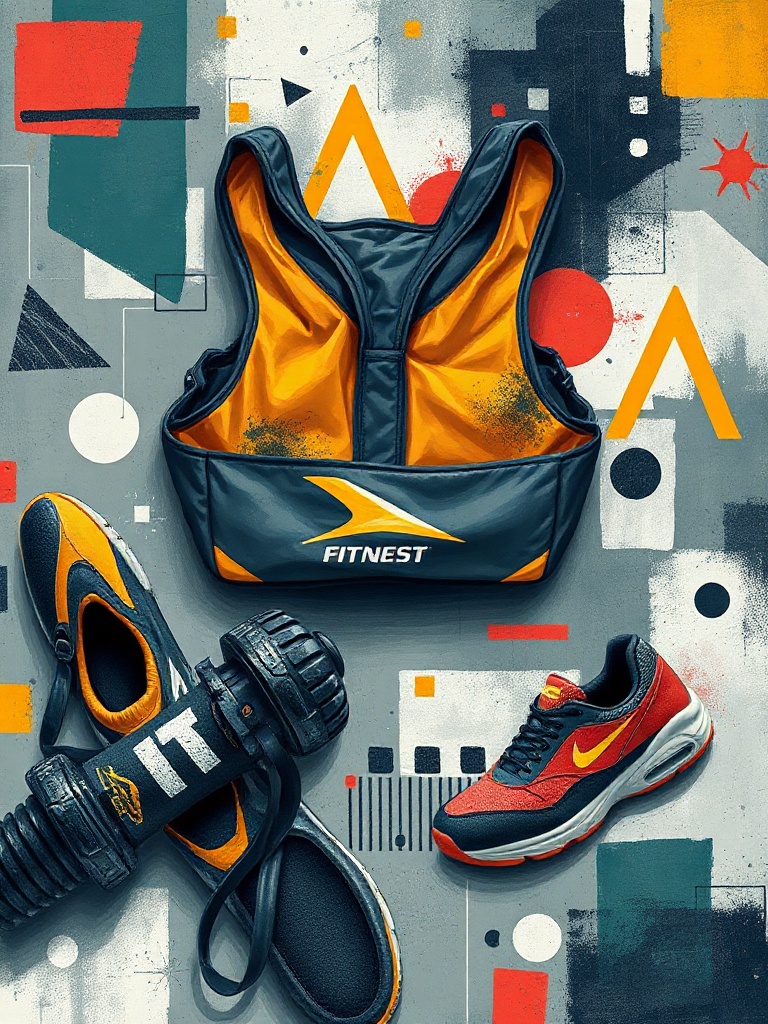
– Strength: adjustable dumbbells, kettlebells, a barbell and plates, or a compact power rack
– Cardio: a treadmill, rowing machine, or a jump rope and space for HIIT
– Flexibility & recovery: foam rollers, massage tools, stretching straps
– Mobility & injury prevention: resistance bands and balance equipment
– Tracking progress: a fitness tracker, smart scale, or heart-rate monitor
Prioritize durable, easy-to-store basics
Not every workout needs bulky equipment.
High-return, space-friendly items include:
– Resistance bands: versatile for strength, mobility, and rehab work
– Adjustable dumbbells: replace multiple weight plates in small footprints
– A quality yoga mat: provides grip and joint protection
– Jump rope: excellent for cardio without a big footprint
– Suspension trainers: attach to a door or beam for bodyweight strength
Consider tech that actually improves workouts
Wearables and smart equipment can boost consistency when chosen carefully. Focus on features that matter:
– Accurate heart-rate monitoring and dependable step/calorie estimates
– Long battery life and water resistance for outdoor use
– Integration with apps you’ll actually use for coaching or logging
– Clear metrics for progress rather than gimmicky extras
Recovery gear is non-negotiable
Recovery tools are as important as training tools. Foam rollers, percussion massagers, compression sleeves, and mobility balls aid tissue health and shorten recovery times. Prioritize ergonomic designs and variable intensity settings when possible.
Sustainability and materials
Sustainable gear is increasingly mainstream.
Look for:
– Recycled plastics and rubber in mats and bands
– Natural or responsibly sourced cork and cotton for yoga accessories
– Brands with repair programs, take-back policies, or transparent supply chains
Eco-friendly options often come with better longevity and resale value.
Safety, fit, and quality checks
Before buying, evaluate:
– Weight limits on benches and racks and certifications for structural gear
– Proper shoe fit for running or lifting—fit matters more than style
– Secure attachments and non-slip surfaces for stability
– Warranty length and manufacturer support
Maintenance tips to extend gear life
– Wipe down sweaty surfaces after use; allow them to air dry
– Follow battery and firmware care for smart devices: charge on a schedule and update when recommended
– Replace bands and ropes if fraying appears; rubber degrades over time
– Lubricate moving parts on machines and keep mechanicals dust-free
Budget without compromising safety
You don’t need top-tier price tags to get good gear.
Spend more on items that directly affect safety and longevity (e.g., barbells, shoes, racks). Save on accessories like jump ropes, resistance bands, and mats — but avoid the cheapest options when durability is essential.
Final tip: try before you commit
If possible, test shoes in-store, demo machines at a gym, or buy from retailers with generous return policies. That reduces buyer’s remorse and ensures what you choose supports your training rather than collecting dust.
Choosing smart, durable fitness gear helps you train more consistently and enjoy workouts. Match purchases to clear goals, prioritize safety and fit, and treat recovery as part of your routine to get the most from every piece of equipment.