CrossFit Evolved: How to Train Smarter, Stay Healthy, and Progress Consistently
CrossFit remains one of the most effective ways to build strength, endurance, and functional fitness.
With its blend of weightlifting, gymnastics, and metabolic conditioning, it challenges athletes of every level. To get the most from CrossFit while minimizing injury risk and burnout, focus on smart programming, movement quality, and recovery.
Prioritize movement quality over intensity
Many athletes rush to heavy loads or fast times before their mechanics are solid. Master core movement patterns—squat, hinge, push, pull, carry, and lunge—with controlled tempo and full range of motion. When technique is reliable, increase load or speed.
This approach reduces injury risk and creates a stronger foundation for advanced skills like muscle-ups and Olympic lifts.
Balance strength and conditioning
A common mistake is letting one domain dominate.
Strength builds resilience and improves efficiency in high-skill and high-power movements; conditioning increases work capacity and recovery between efforts. Structure weekly programming to include at least two focused strength sessions (barbell or bodyweight progressions) and two conditioning sessions with measurable outputs. Rotate intensity and volume across weeks to avoid plateaus.
Scale workouts intelligently
Scaling is a core principle—CrossFit is meant to be scalable. Modify movements rather than dumb down workouts. For example:
– Substitute box jumps for high-impact jumps, or step-ups for high boxes
– Replace bar muscle-ups with ring rows and transitions progressions
– Swap heavy snatches for kettlebell or dumbbell snatches with technical focus
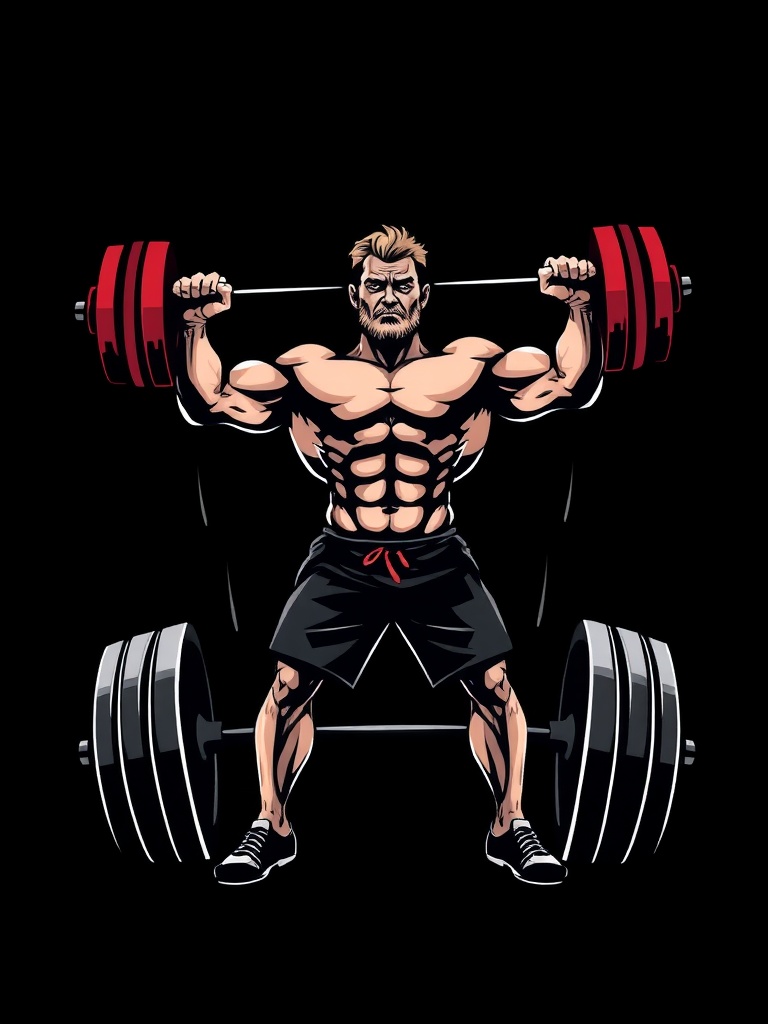
Record scaled versions and progress by adding reps, decreasing rest, or reducing assistance over time.
Prioritize mobility and joint health
Mobility is not optional for longevity. Spend 10–15 minutes daily on mobility drills targeting hips, thoracic spine, shoulders, and ankles. Integrate dynamic mobility before workouts and focused soft-tissue work or stretching afterward.
Improving mobility enhances performance in Olympic lifts, squats, and gymnastics movements.
Use programming that respects recovery
Effective CrossFit programming manipulates intensity, volume, and modality. Incorporate:
– Deload microcycles after multiple high-intensity weeks
– Technique-focused sessions with low metabolic demand
– Accessory work to address weak links (posterior chain, rotator cuff, core)
Listen to objective markers like sleep quality, mood, and performance trends to guide adjustments.
Nutrition and fueling for training
Nutrition supports training intensity and recovery. Prioritize protein intake across meals for muscle repair, carbohydrate timing around workouts for performance, and adequate hydration. Simple strategies—balanced meals, whole foods, and minimal processed sugars—deliver consistent gains. Tailor calorie intake to training load and body composition goals.
Mind the red flags of overtraining
Watch for persistent fatigue, loss of strength, decreased motivation, disturbed sleep, or recurring nagging pain. If these appear, reduce intensity, prioritize sleep, reassess volume, and consult a coach or healthcare professional if pain persists.
Leverage coaching and community
Quality coaching accelerates progress and reduces injuries by ensuring technique, programming balance, and individualized scaling.
The CrossFit community aspect provides accountability and motivation, but individualization remains key—what works for one athlete won’t always work for another.
Small changes, big returns
Consistent progress in CrossFit comes from refining movement, balancing strength with conditioning, prioritizing recovery, and making sustainable nutrition choices. By emphasizing long-term health and strategic programming, athletes can enjoy steady gains and longevity in this demanding, rewarding sport.